12 Amazing Animals That Waddle: Why They Walk This Way
The world is full of fascinating wildlife, but few movements are as amusing as those of animals that waddle. This distinctive way of walking, observed in a variety of species, serves a purpose that goes beyond mere cuteness.
By examining the adaptations and characteristics of these waddling creatures, we can better appreciate the diversity of life on our planet. In this article, we’ll delve into 12 remarkable animals that waddle and uncover the secrets behind their unique locomotion styles.
What Does It Mean When An Animal Waddles?
When an animal waddles, it often serves as a unique form of locomotion that reflects both anatomical design and behavioral adaptation. For many species, such as ducks and penguins, the waddle is a result of their body structure and the necessity for stability.If penguins are your favorite waddlers, our guide to the types of penguins explores the different species and how their builds vary across icy and temperate habitats.
Waddling can also symbolize certain behavioral traits beyond physical specifications. In social species, this gait can be indicative of a non-threatening demeanor, signaling to others that they are relaxed and content. For instance, the waddling motion observed in certain bird species during mating displays is often a way to charm potential partners and assert confidence without appearing aggressive.
Top 12 Animals That Waddle (With Comparison Table)
| No. | Animal | Scientific Name | Class | Habitat |
| 1 | Penguin | Spheniscidae | Bird | Coastal areas and icy regions |
| 2 | Duck | Anatidae | Bird | Ponds, lakes, and wetlands |
| 3 | Goose | Anserini | Bird | Wetlands, grasslands, and lakes |
| 4 | Swan | Cygnus | Bird | Lakes, rivers, and wetlands |
| 5 | Puffin | Fratercula | Bird | Rocky coasts and ocean islands |
| 6 | Loon | Gavia | Bird | Lakes and coastal waters |
| 7 | Wombat | Vombatus ursinus | Mammal | Forests and grasslands of Australia |
| 8 | Bear | Ursidae | Mammal | Forests, mountains, and tundra |
| 9 | Tortoise | Testudinidae | Reptile | Deserts, grasslands, and forests |
| 10 | Seal | Pinnipedia | Mammal | Coastal waters and beaches |
| 11 | Platypus | Ornithorhynchus anatinus | Mammal | Rivers and freshwater streams |
| 12 | Hippopotamus | Hippopotamus amphibius | Mammal | Rivers, lakes, and wetlands in Africa |
Penguin
Scientific Name: Aptenodytes forsteri
Class: Aves
Habitat: Antarctic regions
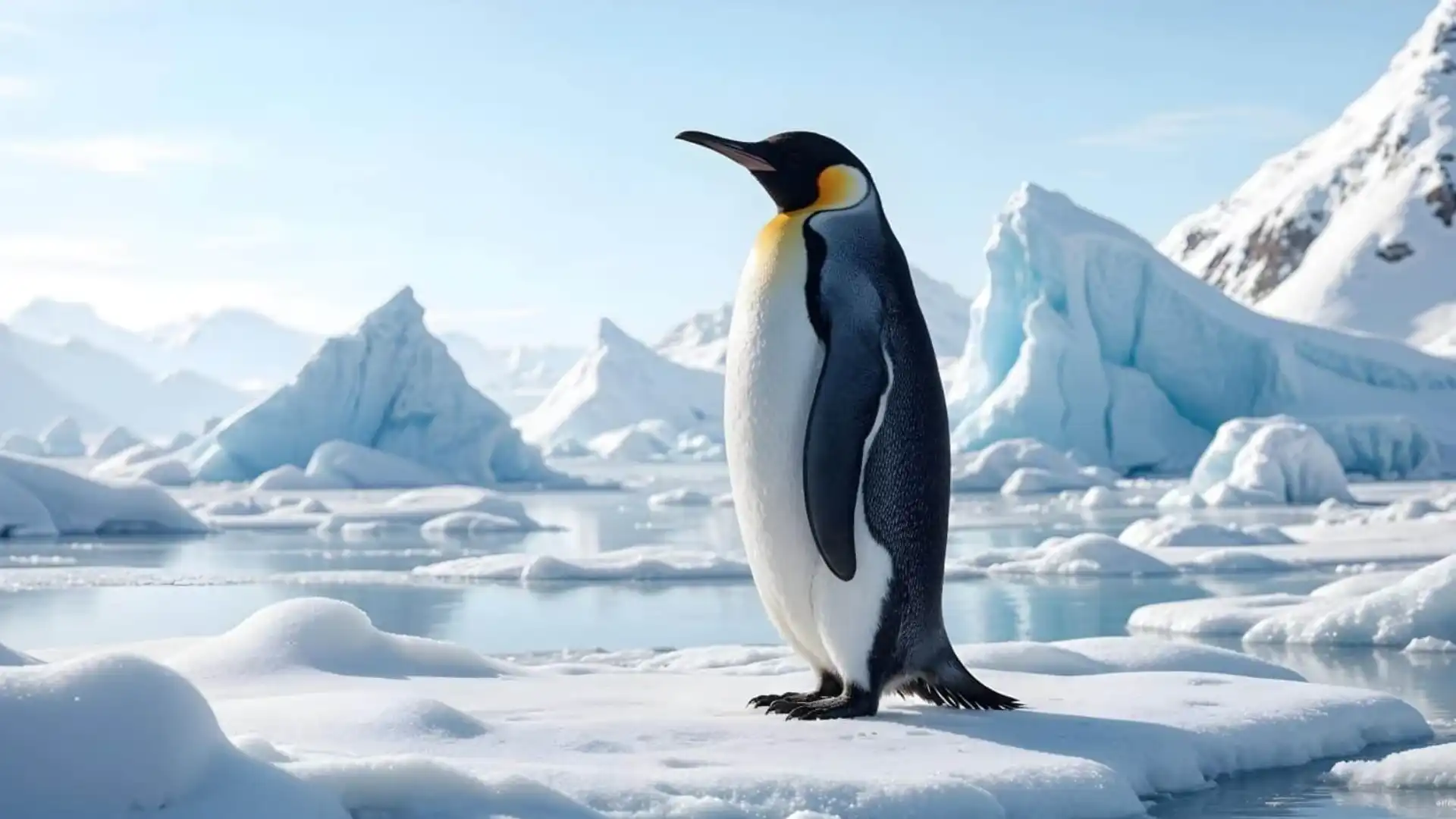
Penguins are an iconic waddle-walking species, perfectly adapted to their icy habitats. Their unique, upright stance and short legs give them a distinctive gait, which helps conserve energy while navigating the snow-covered terrain.

Despite their seemingly clumsy walk on land, these flightless birds are exceptional swimmers. Their waddling may seem awkward, but it minimizes friction and aids in maintaining their splendid balance while navigating the treacherous icy surfaces.
Duck
Scientific Name: Anas platyrhynchos
Class: Aves
Habitat: Wetlands, ponds, and lakes
Ducks are known for their charming waddling as they traverse various aquatic ecosystems. Their broad bodies and short legs create a charmingly comical appearance when they walk, allowing them to navigate both water and land with ease.
Interestingly, the waddle of a duck is also an evolutionary adaptation for foraging. This efficient locomotion helps them shuffle between grass and water, where they find their food while expending minimal energy.
Goose
Scientific Name: Anser anser
Class: Aves
Habitat: Grasslands and wetlands
Geese exhibit a more robust waddle, characterized by their sturdy bodies and strong legs. This gait aids them in maintaining balance as they graze on grasses, moving from one patch to another without losing stability.

Furthermore, their social behavior plays a role in their waddling. When in groups, geese waddle closely together, reinforcing their bonds while alerting one another to potential dangers in their shared environment.
Swan
Scientific Name: Cygnus olor
Class: Aves
Habitat: Lakes and rivers
Swans showcase a regal waddle that complements their elegant long necks and graceful bodies. Their movement may seem cumbersome, yet it is purposeful and helps them navigate close to the water’s edge where they feed on aquatic vegetation.
This waddling is not just about movement; it’s part of their courtship displays. When swans engage in social interactions, their waddling can be quite endearing, helping convey their mood and status within the group.
Puffin
Scientific Name: Fratercula arctica
Class: Aves
Habitat: Coastal cliffs and islands
Puffins are known for their adorable waddle, driven by their short legs and robust build. Their movements may appear clumsy, but they are perfectly suited for traversing rocky terrains and nesting sites on steep cliffs.

Despite their plump appearance, puffins are agile flyers. Their waddling on land prepares them for the critical takeoff, showcasing a delightful contrast to their grace in the air, creating a visual delight for wildlife enthusiasts.
Loon
Scientific Name: Gavia immer
Class: Aves
Habitat: Freshwater lakes
Loons exhibit a distinctive waddle as they navigate their lakeside habitats. Their sleek bodies and webbed feet may look a bit unwieldy on land, but this gait is vital for securing their position during mating displays and nesting.
Interestingly, loons are exceptional divers, capable of reaching great depths in search of fish. Their waddling, while not the most graceful, is part of a lifestyle optimized for life on the water, emphasizing their dual existence as both land and aquatic birds.
Wombat
Scientific Name: Vombatus ursinus
Class: Mammalia
Habitat: Australian bushlands
Wombats are surprisingly adorable waddlers, characterized by their stocky bodies and powerful hind legs. Their low center of gravity and barrel-like shape lend a unique charm to their movements, allowing them to traverse uneven terrain with confidence.
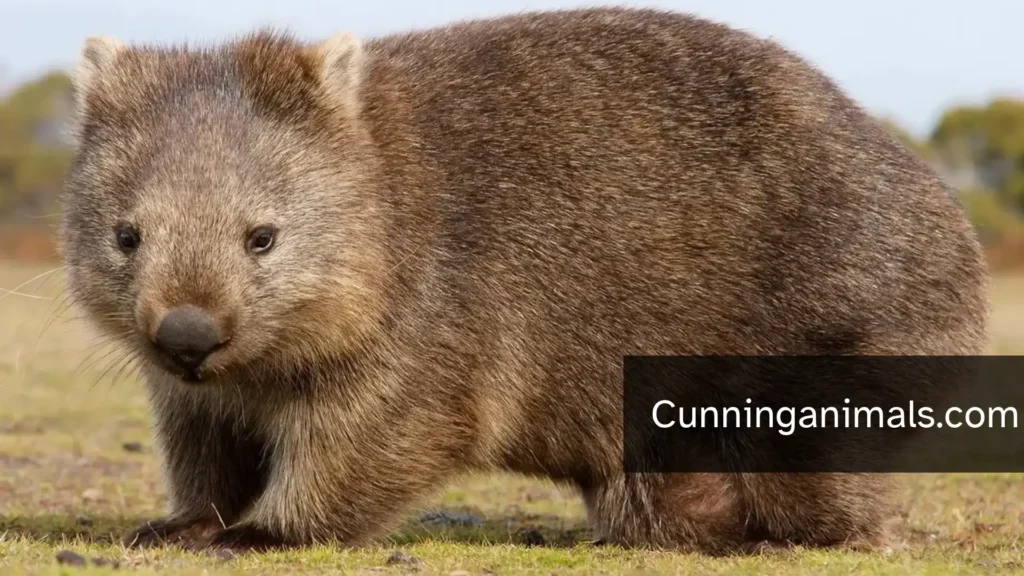
This waddling gait plays a crucial role in their foraging. As they shuffle through dense foliage looking for roots and grasses, their movements are efficient, reflecting a life adapted to Australia’s rugged landscapes.
Bear
Scientific Name: Ursidae (family)
Class: Mammalia
Habitat: Forests, mountains, and tundra
Bears, despite their imposing size, display a surprisingly endearing waddle when on the move. Their wide stance helps them maintain stability, especially when navigating rocky terrain in search of food.
Interestingly, their waddle can change depending on their mood. An agitated bear may break into a more hurried gait, while a relaxed bear often exhibits a slow, deliberate waddle, reflecting their dual nature of power and grace.
Tortoise
Scientific Name: Testudines (order)
Class: Reptilia
Habitat: Deserts, grasslands, and forests
Tortoises possess a unique waddle that complements their slow and steady nature. With short legs and a heavy shell, their movement is a testament to their adaptations for a life largely spent on land, reflecting their focus on survival over speed.
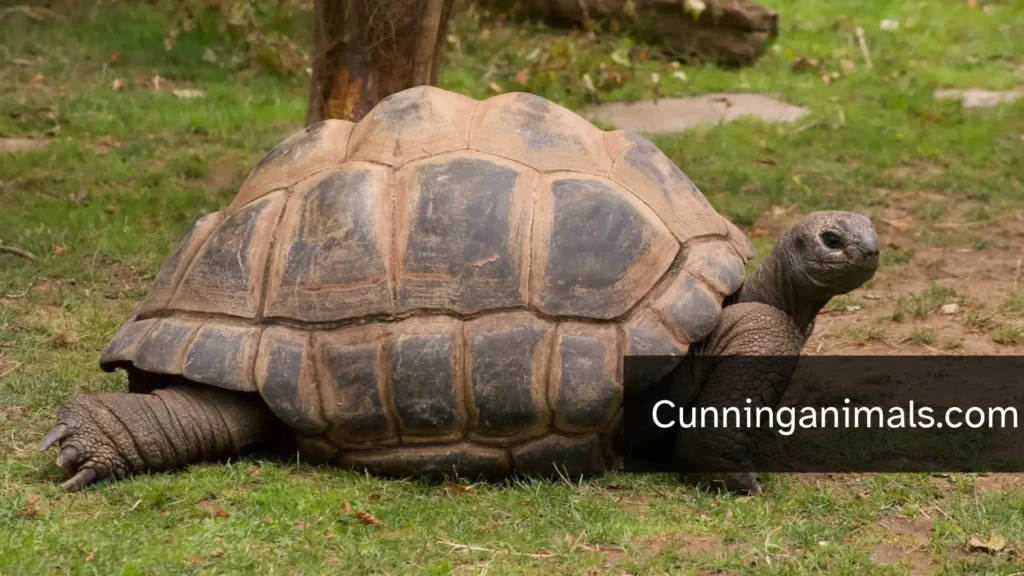
This gait highlights their evolutionary strategy; tortoises have developed a protective shell that allows them to move slowly and safely forage for food while avoiding potential predators. Their waddle becomes symbolic of their perspective on life — slow but steady wins the race.
Seal
Scientific Name: Phocidae (family)
Class: Mammalia
Habitat: Coastal waters and beaches
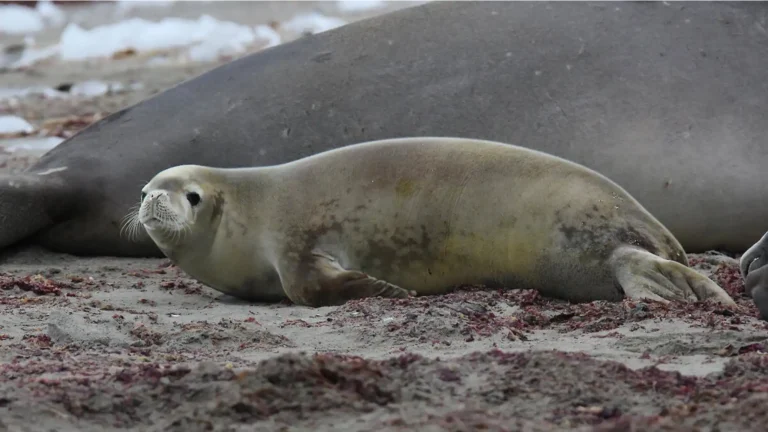
Seals present a delightful juxtaposition with their adorable, awkward waddling on land. Their flipper-like limbs make terrestrial movements challenging, yet these adaptations are crucial for their life spent in water.
Once in their aquatic environment, however, seals are transformed. Their waddling on land serves only as a precursor to their agile swimming, showing how different environments shape their locomotion styles intricately.
Platypus
Scientific Name: Ornithorhynchus anatinus
Class: Mammalia
Habitat: Freshwater rivers and lakes
The platypus is a unique waddler, blending elements of both aquatic and terrestrial locomotion. Their webbed feet and sturdy body contribute to their amusing yet functional waddle, suited for traversing the riverbanks where they hunt.
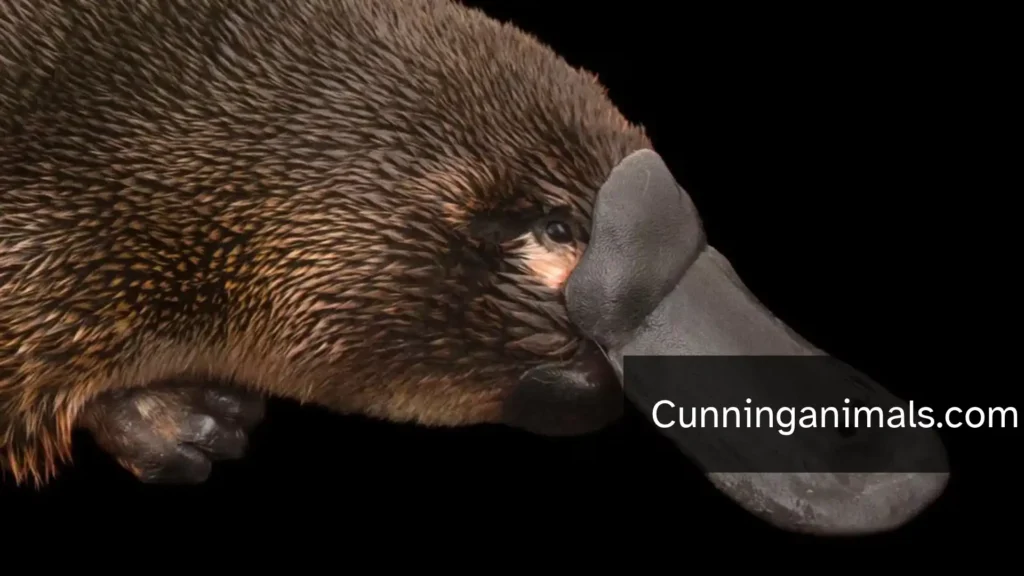
This intriguing gait doesn’t reflect their agility in water; once submerged, they are quick and efficient divers. The transition between waddling on land and swimming is a reminder of their unique evolutionary adaptations as one of nature’s most fascinating creatures.
Hippopotamus
Scientific Name: Hippopotamus amphibius
Class: Mammalia
Habitat: Rivers and lakes in Africa
Hippos are renowned for their massive size and surprisingly charming waddling gait on land. Their large bodies and robust legs contribute to a waddling motion that, while seemingly clumsy, is surprisingly effective for short distances.
When submerged in water, hippos become graceful, using their buoyancy to glide effortlessly. This transition highlights the duality of their nature, where their waddling on land contrasts sharply with their fluid movements beneath the water’s surface.
Interesting Facts About Animals That Waddle
Waddling animals are not just adorable; they possess unique adaptations that enhance their survival. Whether it’s a penguin navigating icy terrains or a duck gliding across a pond, each waddler offers fascinating insights into the animal kingdom. Here are some intriguing facts about these charming creatures.
- Penguins can swim up to 15 miles per hour, despite their waddling gait on land.
That same body structure that creates a waddle on land also powers impressive swimming, and you can explore more of these swimmers in our list of animals with flippers. - Waddling is an energy-efficient mode of movement for species like ducks and seals, reducing fatigue.
- Some waddling animals, such as the Adelie penguin, engage in elaborate courtship rituals to attract mates.
- Baby waddlers, like ducklings, are born with an innate ability to swim, showcasing remarkable instincts.
Ducks and loons share their wetland habitats with many other species built for life both on land and in the water, which you can explore further in our guide to animals that live in rivers. - The waddling motion helps distribute weight over snow and slippery surfaces, preventing falls.
- Waddling can be a movement style to evade predators, as seen in various bird species.
While many waddling birds trade speed for balance and stability, not every bird follows this pattern check out our ranking of the strongest birds for species built for raw power instead. - Contrary to popular belief, waddling doesn’t mean clumsiness; it can be a sign of specialized evolution.
Since many waddlers, like penguins and some birds, also move upright on two legs, our guide to animals that walk on two legs is a natural next stop for more unusual gaits in nature.
Conclusion
The enchanting traits of Animals That Waddle illuminate the remarkable adaptations found in nature. The diverse group of animals that waddle 1 40, from the playful sea lions to the comical emus, reflects various survival strategies that contribute to their unique lifestyles.
Examining what animals waddle not only enhances our understanding of their physical characteristics but also highlights the intricate balance within their ecosystems. These waddling animals remind us of the beauty and diversity of life on our planet.
FAQS
Which Animals Move By Waddling?
Animals that move by waddling include ducks, penguins, geese, and some other birds. Animals such as penguins waddle because of their body shape, short legs, and the way their feet are positioned.
Which Animal Movement Is Called A Waddle?
A waddle is a side-to-side walking movement in which an animal shifts its body from one side to the other. Ducks, penguins, and geese are common examples of animals that waddle when walking on land.
Do Ducks Waddle Or Walk?
Ducks do both, but their characteristic movement on land is a waddle. Their bodies sway from side to side as they move on their short legs, while their webbed feet help them swim efficiently in water.
Do Penguins Waddle Or Walk?
Penguins usually waddle when walking on land because their legs are short and positioned toward the back of their bodies. They can also slide on their bellies across ice, a movement known as tobogganing.
How Do Penguins Say “I Love You”?
Penguins do not say “I love you” in human words, but they communicate through calls, body movements, and courtship behaviors. Some species strengthen their bonds by preening each other, making vocal calls, and performing courtship displays.