14 Animals That Live In Groups (With Pictures, Names & Fascinating Facts)
The animal kingdom is rife with species that exhibit remarkable social structures, highlighting the importance of collaboration for survival.
This article will take you on a journey through the lives of Animals That Live In Groups, showcasing how their collective behaviors contribute to their success in various environments. Each entry features engaging images and intriguing facts that reveal the complexities of their social dynamics.
What Are Animals That Live In Groups?
Animals that regularly live together in organized social groups are often referred to as social or group-living animals. Examples include elephants, wolves, and certain species of primates. These creatures often display complex social structures and cooperative behaviors that enhance their survival.
The dynamics of group living can provide various advantages, such as improved protection against predators and more efficient foraging. For instance, elephants are known for their deep familial bonds and communal care for young, showcasing emotional intelligence and cooperation that enable them to thrive in their environments. Not every species relies on numbers to survive, though plenty of solitary animals in the world get by just fine using stealth and self-reliance instead of teamwork.
List Of Animals That Live In Groups
| Rank | Animal | Scientific Name | Class | Diet |
|---|---|---|---|---|
| 1 | Wolves | Canis lupus | Mammalia | Carnivore |
| 2 | Dolphins | Delphinidae | Mammalia | Carnivore |
| 3 | Orcas | Orcinus orca | Mammalia | Carnivore |
| 4 | Lions | Panthera leo | Mammalia | Carnivore |
| 5 | Meerkats | Suricata suricatta | Mammalia | Omnivore |
| 6 | African Wild Dogs | Lycaon pictus | Mammalia | Carnivore |
| 7 | Army Ants | Dorylus spp. | Insecta | Carnivore |
| 8 | Chimpanzees | Pan troglodytes | Mammalia | Omnivore |
| 9 | Banded Mongooses | Mungos mungo | Mammalia | Omnivore |
| 10 | Spotted Hyenas | Crocuta crocuta | Mammalia | Carnivore |
| 11 | Elephants | Elephantidae | Mammalia | Herbivore |
| 12 | Crows | Corvus spp. | Aves | Omnivore |
| 13 | Wild Horses | Equus ferus | Mammalia | Herbivore |
| 14 | Penguins | Spheniscidae | Aves | Carnivore |
Wolves
Scientific Name: Canis lupus
Class: Mammalia
Diet: Carnivore
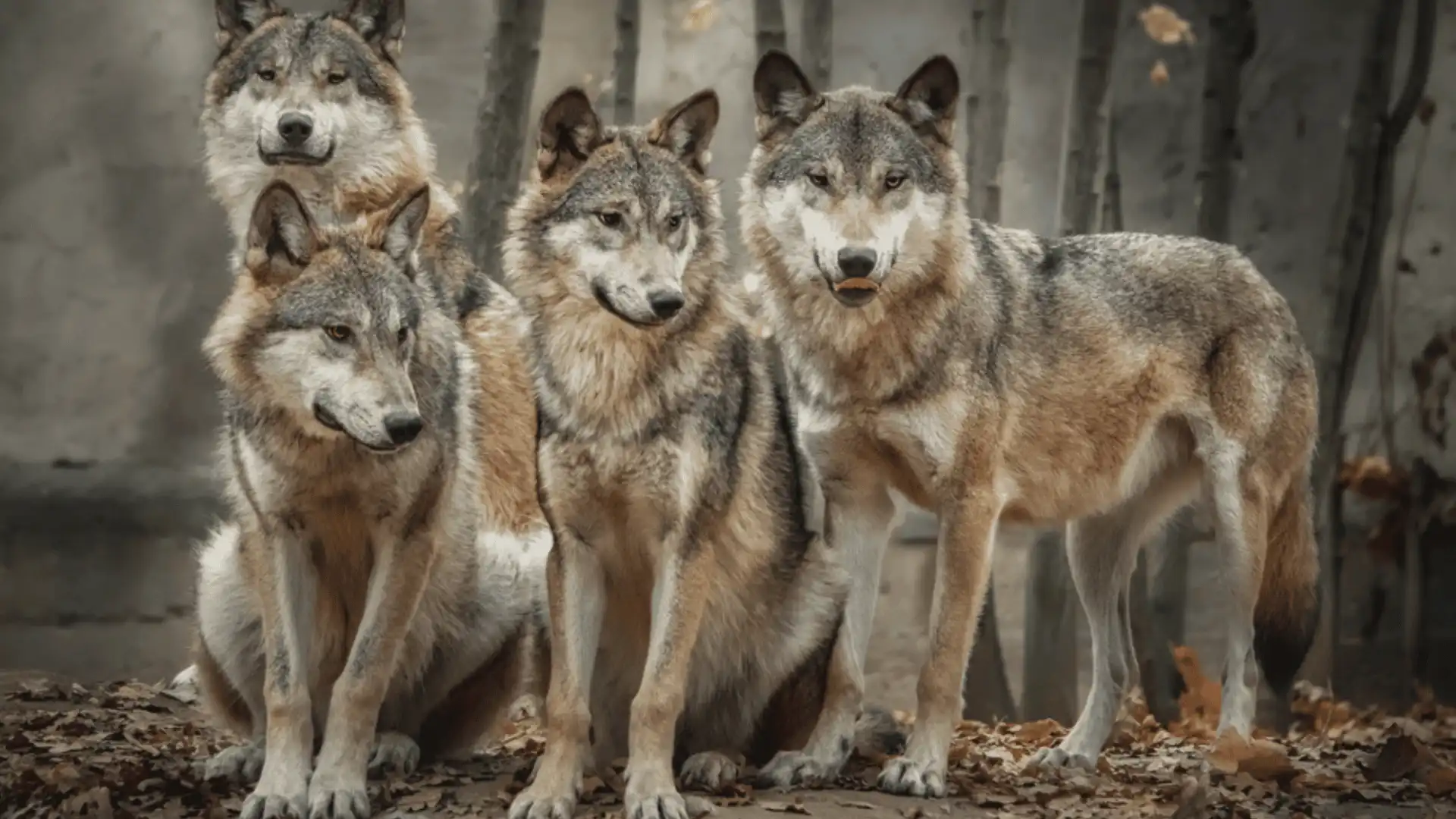
Wolves are highly social animals known for their complex pack dynamics, which can include anywhere from a few to over a dozen members. These group structures allow them to hunt more efficiently, often taking down prey much larger than themselves, which showcases their teamwork and survival strategies.
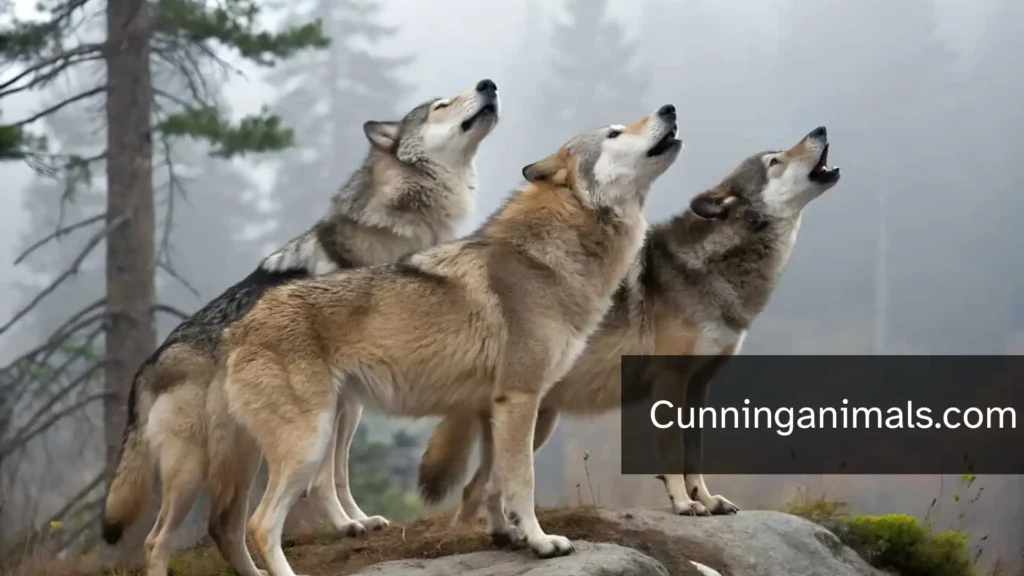
The pack also serves a critical role in social learning; young wolves learn essential survival skills and social hierarchies within their families. The close-knit community fosters strong bonds, enhancing communication through vocalizations and body language, which ensures the pack’s stability.
Dolphins
Scientific Name: Delphinus delphis
Class: Mammalia
Diet: Carnivore
Dolphins exhibit remarkable social behaviors, often forming pods that can range from a handful to over a hundred individuals. These pods help them in hunting, as they use sophisticated strategies like herding fish into tight balls for easier feeding.
Their intelligence shines through in their communication styles, utilizing clicks and whistles to coordinate activities within the group. Social bonds in dolphin pods also provide emotional support, allowing them to engage in play and cooperation, which is crucial for their social learning.
Orcas
Scientific Name: Orcinus orca
Class: Mammalia
Diet: Carnivore
Orcas, or killer whales, live in matrilineal family groups known as pods, which can consist of multiple generations. These pods often exhibit distinct dialects and hunting techniques, showcasing cultural diversity among groups.
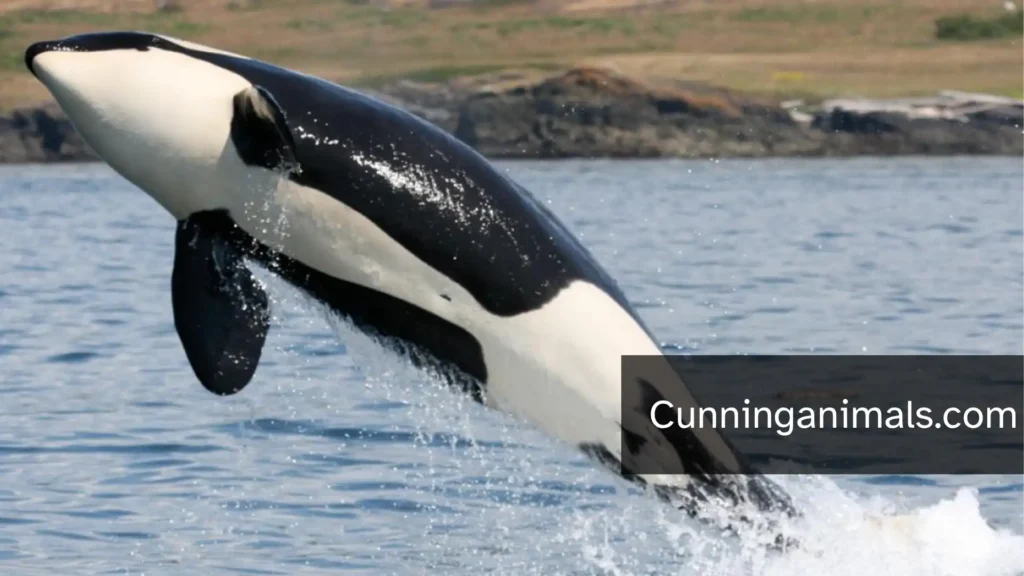
Their cooperative hunting methods can involve stunning fish with powerful tail slaps or working together to trap seals on ice floes. This advanced social structure emphasizes their intelligence and reaffirms the importance of familial bonds in their survival.
Lions
Scientific Name: Panthera leo
Class: Mammalia
Diet: Carnivore
Lions are unique among big cats for their pride structure, where groups can range from a few to over 30 individuals. Living in these social groups allows them to hunt more efficiently and defend territory against rivals effectively. Their manes aren’t just for show either among animals that have manes, a lion’s is one of the clearest visual signals of dominance within the pride.
Pride dynamics also involve complex social interactions, which include grooming behaviors that strengthen social bonds. Lionesses often cooperate in rearing young, ensuring that the survival skills are passed down through generations within the community.
Meerkats
Scientific Name: Suricata suricatta
Class: Mammalia
Diet: Omnivore
Meerkats are known for their intricate social systems, often living in groups (mobs) of 20 to 50 members. Each meerkat has a designated role, from sentinels that watch for predators to babysitters who care for the young, showcasing a remarkable division of labor.
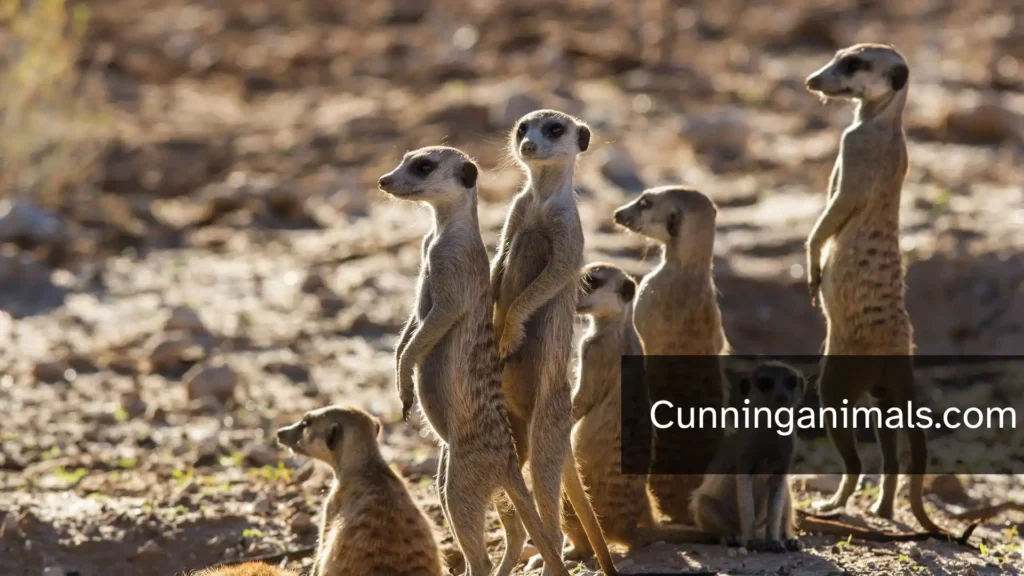
Their cooperative behaviors enhance survival rates; for instance, when a predator is spotted, a sentinel warns the group, allowing others to seek shelter. This tight-knit social structure facilitates communication and increases the efficiency of foraging.
African Wild Dogs
Scientific Name: Lycaon pictus
Class: Mammalia
Diet: Carnivore
African wild dogs are known for their extraordinary pack cooperation, often numbering 6 to 20 members. Their sociality is key to their success as they employ coordinated attacks during hunts, which can lead to high success rates.
In addition to hunting, they demonstrate strong social bonds, often engaging in play and social grooming. This strong pack loyalty not only increases survival chances but also enhances the emotional connections within the group.
Army Ants
Scientific Name: Eciton spp.
Class: Insecta
Diet: Carnivore
Army ants are a striking example of social insects that exhibit complex group behavior. They work as a collective unit to form massive raiding parties that can decimate prey and provide sustenance to the entire colony.
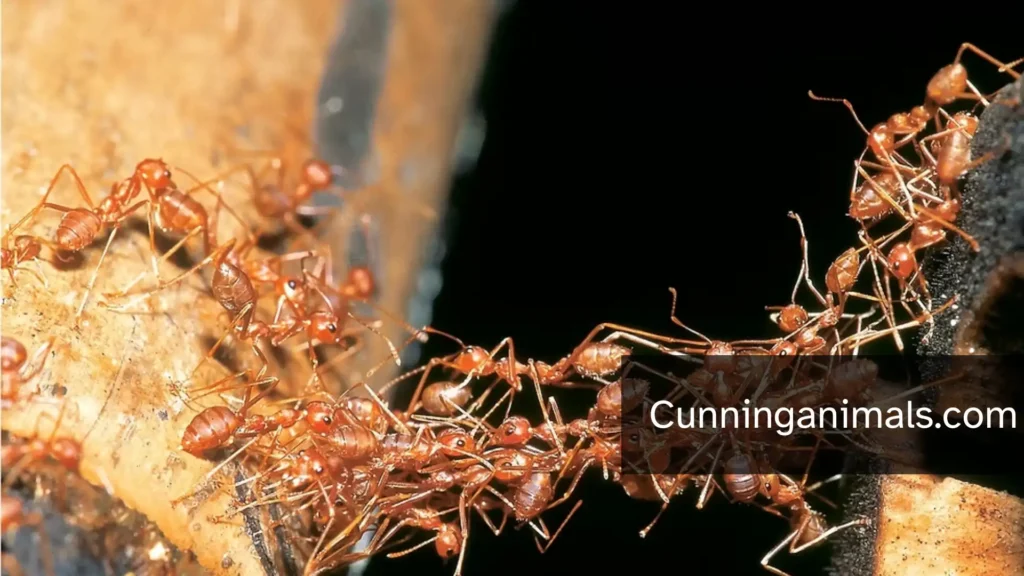
Their highly organized structure involves role specialization, where individuals take on specific tasks such as foraging, defending, or caring for the queen’s offspring. This seamless cooperation exemplifies the efficiencies gained through collective effort.
Chimpanzees
Scientific Name: Pan troglodytes
Class: Mammalia
Diet: Omnivore
Chimpanzees live in hierarchical communities known as troops, which can consist of up to 100 individuals. Their social relationships are incredibly complex, with strong alliances that aid in resource sharing and protection against threats.
These primates demonstrate problem-solving abilities and cultural behaviors, such as using tools, which are often learned and passed down within the group. This rich social fabric is crucial for their survival and adaptation in diverse environments.
Banded Mongooses
Scientific Name: Mungos mungo
Class: Mammalia
Diet: Omnivore
Banded mongooses thrive in groups ranging from 5 to 50 individuals, with a pronounced social hierarchy. Within these groups, members work collaboratively to protect against predators and maximize foraging efficiency, often hunting in unison.
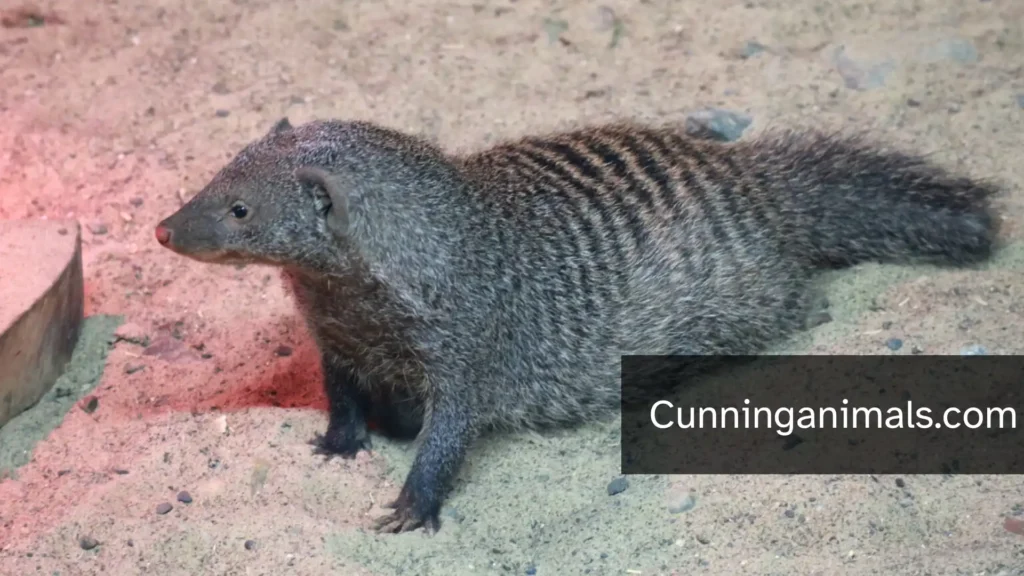
The cooperative nature of banded mongooses extends to raising young, wherein non-breeding members assist in nurturing the pups. This enhances the survival of the young and embodies the theme of communal effort in their survival strategies.
Spotted Hyenas
Scientific Name: Crocuta crocuta
Class: Mammalia
Diet: Carnivore
Spotted hyenas live in clans that can consist of up to 90 members, exhibiting complex social hierarchies often dominated by females. Their strong group dynamics facilitate cooperative hunting, which is essential for capturing large prey. Like many other animals with spots, their mottled coats also help them blend into dry grassland during nighttime hunts.
Interestingly, social status influences feeding and mating opportunities within the clan, underscoring the importance of relationships and alliances. Their social intelligence showcases adaptability in challenging environments, making them formidable predators.
Elephants
Scientific Name: Loxodonta africana
Class: Mammalia
Diet: Herbivore
Elephants form matriarchal herds, often comprising related females and their young, which can number into the dozens. These social structures play a critical role in teaching the young essential survival skills while also fostering lasting bonds among family members. That size comes with serious power too elephants regularly rank among the strongest animals in the world, able to uproot trees and fend off predators to protect the herd.
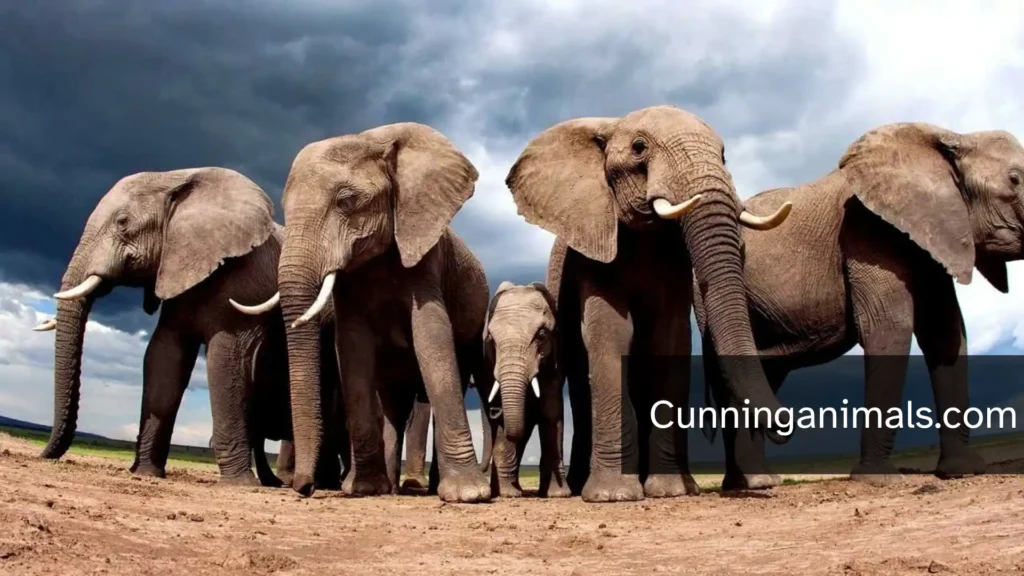
Their sophisticated communication and empathy allow them to respond to each other’s emotional needs, enhancing group cohesion. This deep social understanding not only aids in foraging but also in protecting their young and elderly.
Crows
Scientific Name: Corvus brachyrhynchos
Class: Aves
Diet: Omnivore
Crows display remarkable intelligence and social behavior, often living in family units or larger groups. These birds are known for their ability to problem-solve, employing collective strategies for securing food and avoiding predators.
Their social interactions include play and even tool use, demonstrating complex social learning. This adaptability and social intelligence are pivotal in their survival, making them prominent among Animals That Live In Groups.
Wild Horses
Scientific Name: Equus ferus caballus
Class: Mammalia
Diet: Herbivore
Wild horses typically form bands led by a dominant stallion, with each group varying in size. This social structure helps protect against predators, as they can easily communicate and coordinate movements when frightened.
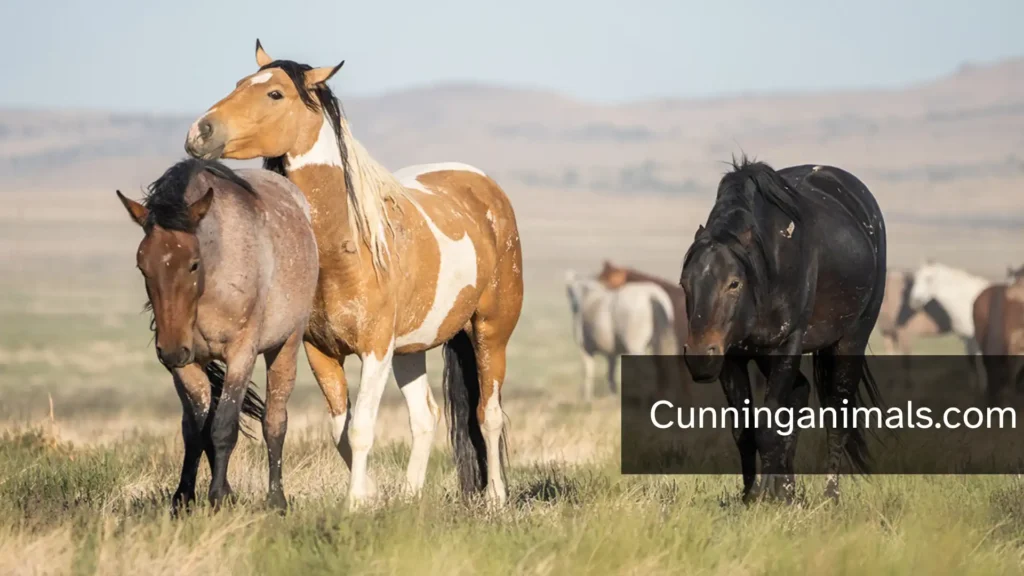
Within the band, horses establish strong bonds and hierarchies, with members often engaging in mutual grooming. This social behavior is crucial for maintaining group cohesion and emotional health, enhancing their overall survival.
Penguins
Scientific Name: Spheniscidae
Class: Aves
Diet: Carnivore
Penguins are highly social birds that often form large colonies when breeding, sometimes numbering in the thousands. These groups provide protection against predators and increase the chances of survival during harsh conditions.
In addition to their robust social structures, penguins exhibit cooperative behaviors when it comes to feeding and caring for their young. Their communal lifestyle maximizes opportunities for survival and strengthens community ties, exemplifying the essence of Animals That Live In Groups.
Interesting Facts About Animals That Live In Groups
- Wolves can coordinate their movements during hunts.
- Dolphins use complex sounds to communicate.
- Orcas can pass hunting knowledge between generations.
- Lion prides are often centered around related females.
- Meerkats take turns acting as sentries.
- African wild dogs cooperate in raising young.
- Army ants can form living bridges.
- Chimpanzees maintain complex social relationships.
- Spotted hyena clans have female-dominated hierarchies.
- Elephants can show strong emotional responses toward herd members.
- Crows may work together to mob predators.
- Gorillas use grooming to strengthen social bonds.
- Penguins gather in large colonies during breeding.
Conclusion
The fascinating world of animals that live in groups showcases the incredible diversity of social behavior in the animal kingdom. From the highly structured societies of ants and bees to the intricate family dynamics of wolves and elephants, these creatures demonstrate how living in groups can enhance survival and promote cooperation.
Each species presents unique adaptations and social structures that allow them to thrive in their environments. Understanding these animals not only expands our knowledge of biodiversity but also highlights the importance of conservation efforts to protect their habitats.
FAQs
What Are Groups Of Animals Called?
Groups of animals have different names depending on the species. For example, wolves form a pack, lions a pride, dolphins a pod, elephants a herd, and penguins a colony.
What Are Animals That Live In Groups Called?
Animals that regularly live and interact in groups are generally called social animals. They may form packs, herds, prides, pods, colonies, flocks, or other types of social groups.
What Are The 7 Main Animal Groups?
The seven main animal groups are mammals, birds, reptiles, amphibians, fish, insects, and arachnids. These categories are based on shared physical characteristics and biological features.
What Animals Live In Groups?
Many animals live in groups for protection, finding food, hunting, raising young, and social interaction. Wolves, lions, dolphins, elephants, meerkats, and penguins are common examples of animals that live in groups.