Top 15 Greedy Animals In The World (With Pictures, Facts & Feeding Habits)
The realm of nature is filled with fascinating creatures, but among them, some stand out for their exceptional greed. This article delves into the top 15 greedy animals in the world, showcasing their unique feeding habits and behaviors.
Understanding these animals not only sheds light on the survival instincts of various species but also illustrates the complex interactions within ecosystems. Dive into captivating facts and stunning pictures that highlight why these animals are not just consumers but fascinating subjects of study.
What Makes An Animal Greedy?
Certain species, labeled as “greedy animals in the world,” often display insatiable appetites due to their high metabolic rates. These animals need to consume large amounts of food relative to their body size to sustain their energy levels, making them seemingly voracious eaters.
Food competition and strategies like hoarding or caching further amplify perceptions of greed. Many animals stash away excess food to prepare for leaner times, while others may consume large meals followed by extended fasting periods, reinforcing their image as gluttonous.
Top 15 Greedy Animals In The World
| Rank | Animal | Scientific Name | Class | Diet |
| 1 | Tasmanian Devil | Sarcophilus harrisii | Mammalia | Carnivore |
| 2 | Wolverine | Gulo gulo | Mammalia | Omnivore |
| 3 | American Pygmy Shrew | Sorex hoyi | Mammalia | Insectivore |
| 4 | Tigerfish | Hydrocynus vittatus | Actinopterygii | Carnivore |
| 5 | Pufferfish | Tetraodontidae | Actinopterygii | Omnivore |
| 6 | Burmese Python | Python bivittatus | Reptilia | Carnivore |
| 7 | Magpie | Pica pica | Aves | Omnivore |
| 8 | Atlantic Puffin | Fratercula arctica | Aves | Carnivore |
| 9 | Baboon | Papio spp. | Mammalia | Omnivore |
| 10 | Coyote | Canis latrans | Mammalia | Omnivore |
| 11 | Weasel | Mustela spp. | Mammalia | Carnivore |
| 12 | Wild Boar | Sus scrofa | Mammalia | Omnivore |
| 13 | Gorilla | Gorilla spp. | Mammalia | Herbivore |
| 14 | Chimpanzee | Pan troglodytes | Mammalia | Omnivore |
| 15 | Spotted Hyena | Crocuta crocuta | Mammalia | Carnivore |
Tasmanian Devil
Scientific Name: Sarcophilus harrisii
Class: Mammalia
Diet: Carnivore
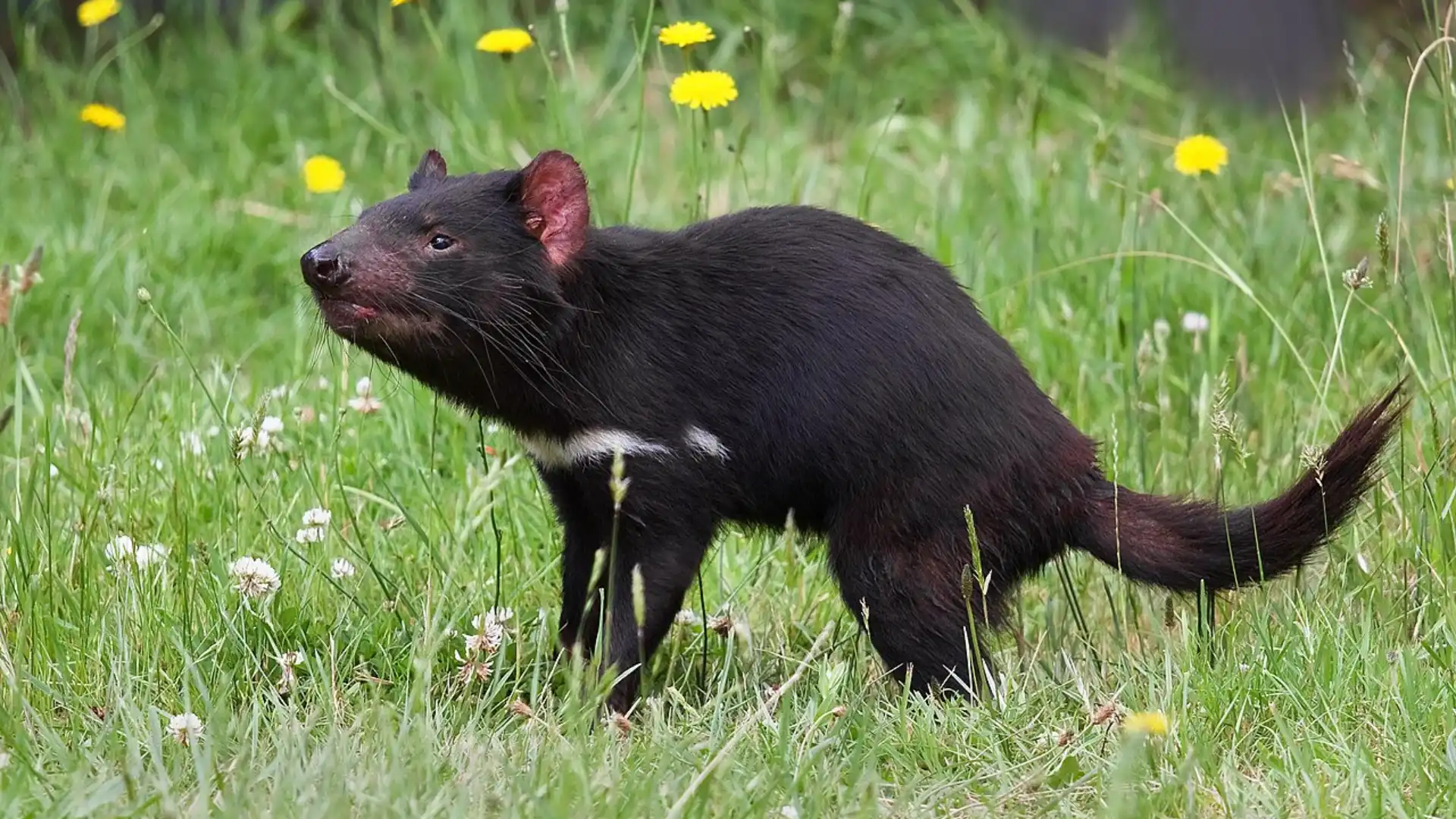
The Tasmanian Devil is renowned for its voracious appetite, capable of consuming up to 40% of its body weight in a single meal. Night scavengers, they feast on roadkill and dead animals, often engaging in fierce battles over food.
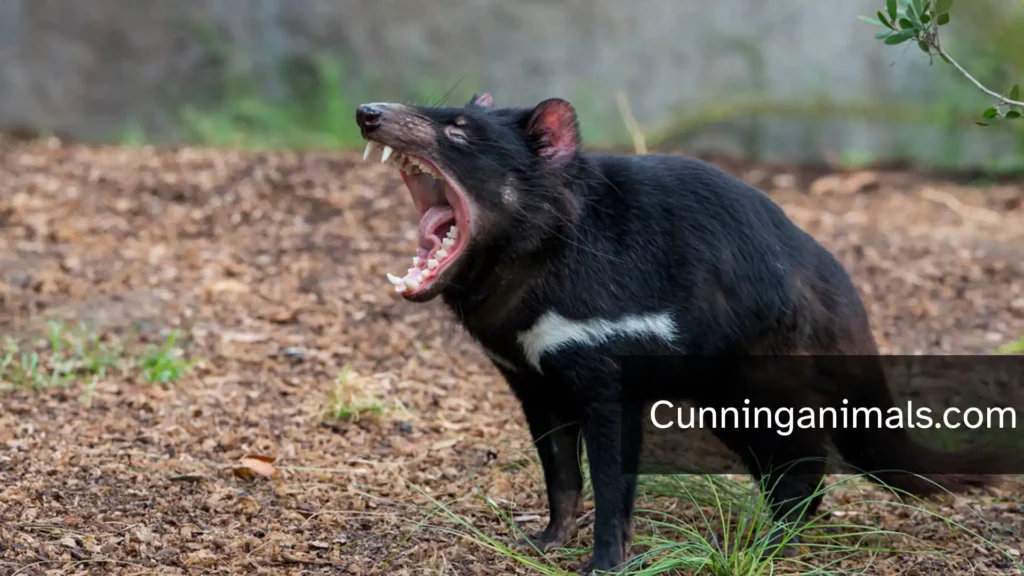
This marsupial’s strong jaws and teeth allow it to crack open bones, showcasing its role as nature’s clean-up crew. Despite their ferocious reputation, their population is declining due to disease and habitat loss, Outside of feeding frenzies, Tasmanian devils are largely solitary animals, only converging around a carcass before scattering again.
Wolverine
Scientific Name: Gulo gulo
Class: Mammalia
Diet: Carnivore
Wolverines are powerful predators with an unquenchable hunger, often consuming prey larger than themselves. Known for their ferocity, they will steal food from larger animals and can travel vast distances to find a meal.
With a keen sense of smell, they can locate carcasses buried beneath snow, demonstrating their adaptability. This tenacity is part of why wolverines are frequently ranked among the strongest animals in the world relative to their size, capable of dragging carcasses many times their own weight.This ability highlights their status as one of the most resourceful greedy animals in the world.
American Pygmy Shrew
Scientific Name: Sorex hoyi
Class: Mammalia
Diet: Insectivore
The American Pygmy Shrew is one of the tiniest mammals, yet its insatiable appetite drives it to consume up to twice its body weight daily. With a metabolism that demands constant feeding, these shrews are relentless hunters, foraging for insects and small invertebrates.
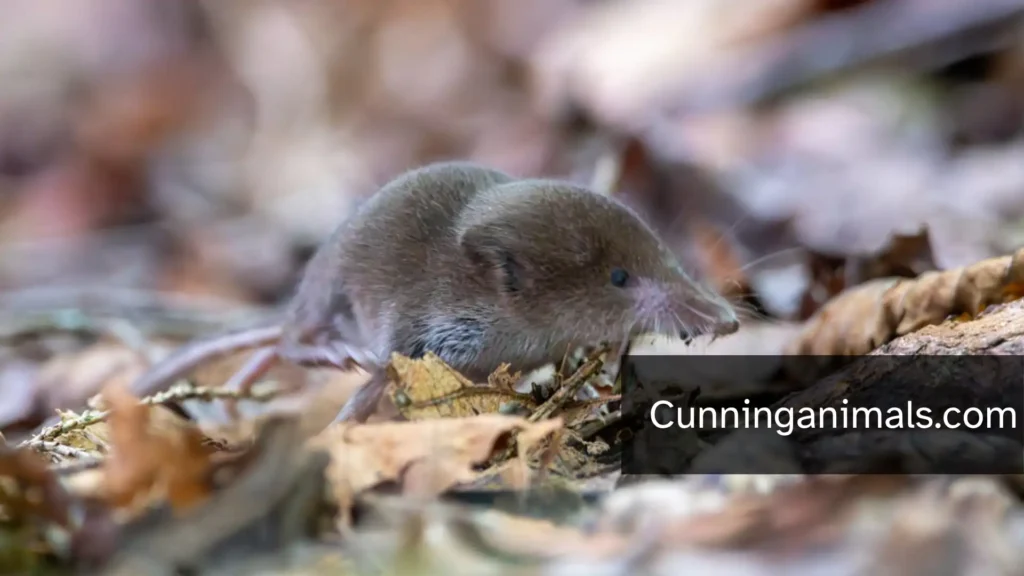
Their rapid movements and high energy levels exemplify how even the smallest creatures can exhibit greedy tendencies. Despite their size, they play a critical role in controlling insect populations.
Tigerfish
Scientific Name: Hydrocynus vittatus
Class: Actinopterygii
Diet: Carnivore
Tigerfish are ferocious predators in African rivers, renowned for their razor-sharp teeth and aggressive feeding behavior. They predominantly feast on smaller fish, often employing swift, stealthy movements to ambush their prey.
Their appetite for flesh makes them a prized catch for anglers, adding an element of thrill to fishing expeditions. This carnivorous fish exemplifies greed in the aquatic world, showcasing their fierce role in the ecosystem.
Pufferfish
Scientific Name: Tetraodontidae
Class: Actinopterygii
Diet: Herbivore/Carnivore
Pufferfish are not just known for their unique ability to inflate but also for their hearty appetites. They consume a variety of marine plants and invertebrates, often gulping down more than their fair share.
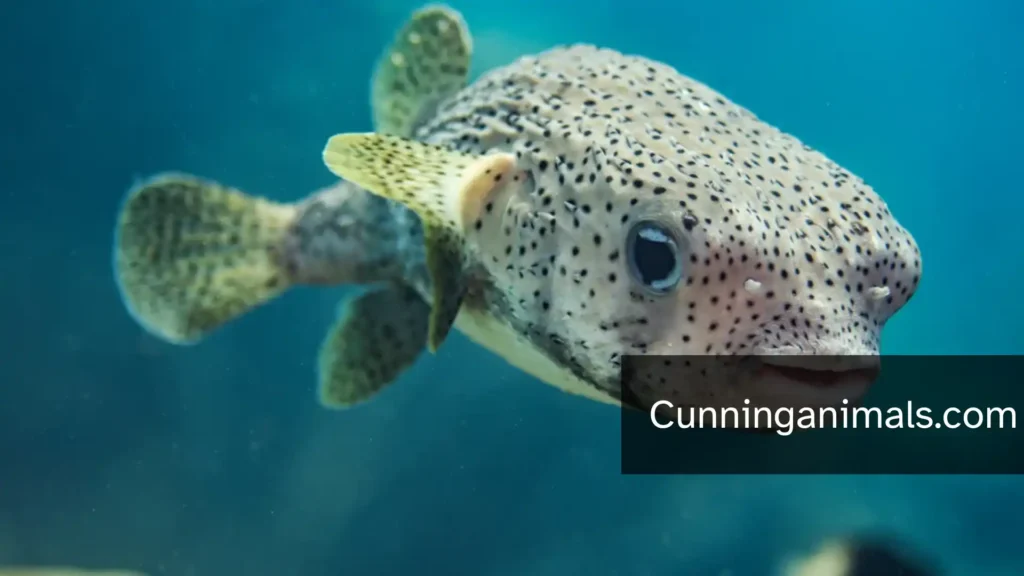
Despite their seemingly whimsical appearance, the toxins they produce can deter larger predators. This intriguing duality reflects their greedy tendencies while safeguarding their existence.
Burmese Python
Scientific Name: Python bivittatus
Class: Reptilia
Diet: Carnivore
Burmese Pythons are colossal hunters that can consume prey up to the size of an adult deer. Their ability to unhinge their jaws allows them to devour meals much larger than themselves, showcasing their insatiable greed.
In their quest for food, they can go for weeks without eating, but when they do, it’s an extraordinary feast. As these snakes inhabit both wild and urban environments, their greedy hunting habits can have significant ecological impacts.
Magpie
Scientific Name: Pica pica
Class: Aves
Diet: Omnivore
Magpies are notorious for their penchant for collecting shiny objects and food, embodying the concept of greed in avian form. Their intelligence shines through as they often raid nests and steal from other birds to fulfill their hunger.
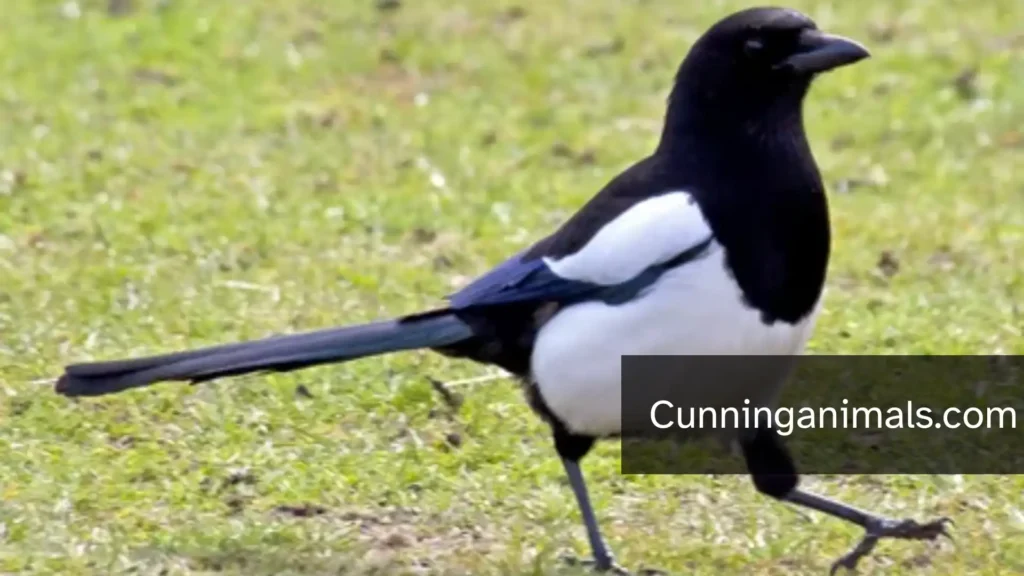
With a diverse diet that includes insects, seeds, and small animals, they display an adaptive nature that allows them to thrive in various environments. This behavior not only showcases their cleverness but reinforces their status as one of the top greedy animals in the world.
Atlantic Puffin
Scientific Name: Fratercula arctica
Class: Aves
Diet: Carnivore
Atlantic Puffins are remarkable for their ability to carry multiple fish in their beaks at once, a clear demonstration of their greedy nature. This unique feeding strategy allows them to maximize their hunting efficiency while ensuring a plentiful supply of food for their young.
Their colorful beaks make them a delightful sight along coastal cliffs, but their feeding habits reveal a competitive spirit. They rely heavily on fish stocks, making them vulnerable to changes in marine ecosystems.
Baboon
Scientific Name: Papio
Class: Mammalia
Diet: Omnivore
Baboons are known for their complex social structures and highly opportunistic feeding habits. They will scavenge, forage, and even raid crops, demonstrating their greedy tendencies and adaptability in various habitats.
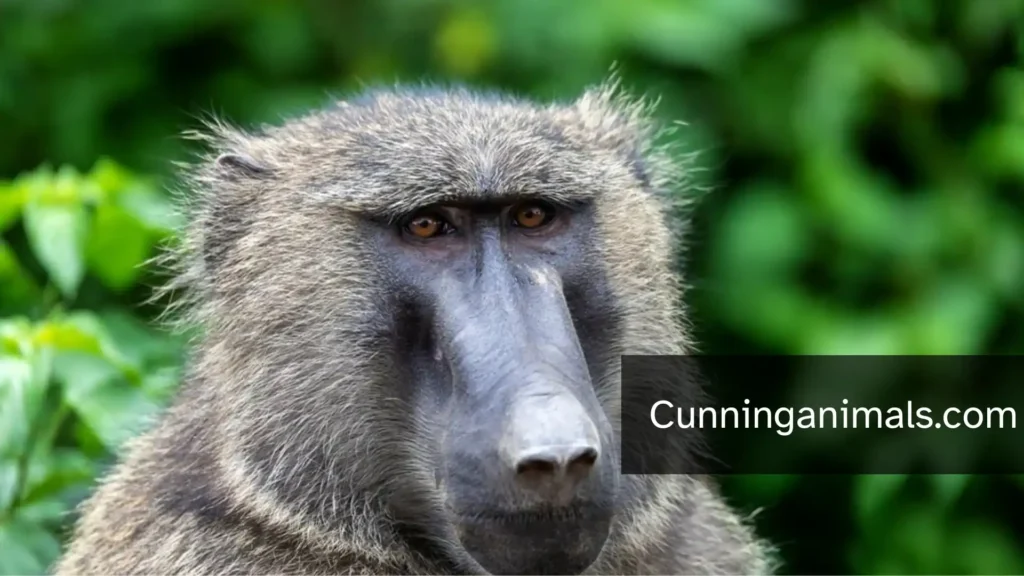
Their intelligence allows them to exploit human food sources, creating conflicts with local communities. This cleverness and appetite underscore their role in the ecosystem and human-wildlife interactions.
Coyote
Scientific Name: Canis latrans
Class: Mammalia
Diet: Omnivore
Coyotes are resourceful predators with a diverse diet that reflects their opportunistic nature, from rodents to fruits. Their adaptability enables them to thrive in urban areas, often scavenging for food in human trash, highlighting their greedy survival instincts.
These clever canines can forage in packs or hunt solo, showcasing collective strategy in securing food. Their resilience contributes to their status as one of the defining scavengers in modern ecosystems.
Weasel
Scientific Name: Mustela
Class: Mammalia
Diet: Carnivore
Weasels are small but fierce predators that exhibit relentless greed when hunting. Renowned for their agility, they will pursue prey several times their size, often returning to the same hunting grounds to maximize opportunities.
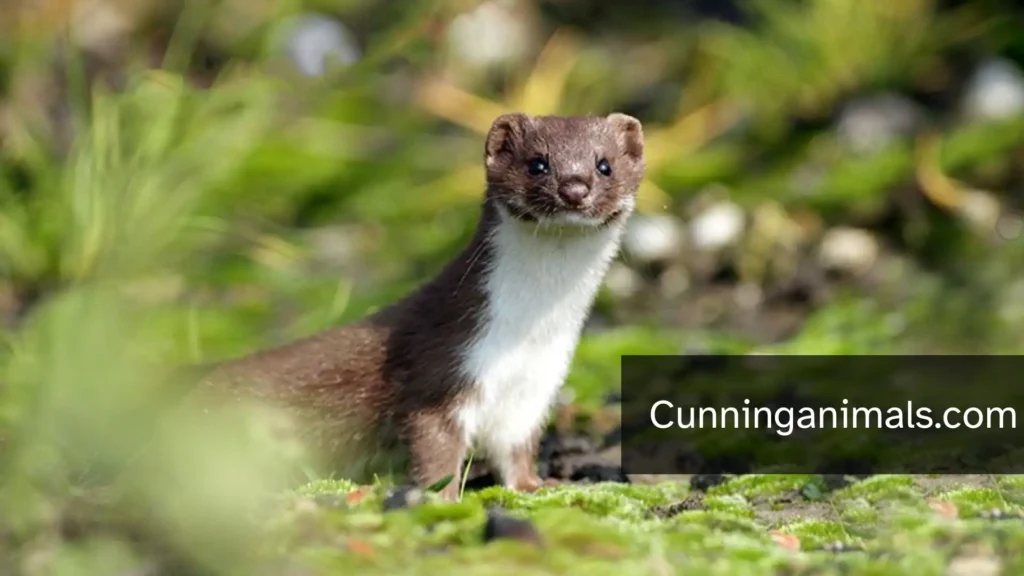
Their voracious appetite is matched only by their ability to adapt to various environments, making them adept hunters. Their fierce, single-minded pursuit of prey places them among the most ruthless small predators in the animal kingdom, a trait shared with several other pound-for-pound hunters.” This combination of traits makes weasels both fascinating and effective predators.
Wild Boar
Scientific Name: Sus scrofa
Class: Mammalia
Diet: Omnivore
Wild boars are notorious for their insatiable appetite, foraging through forests and fields for roots, fruits, and small animals. Their propensity for rooting up soil not only showcases their greedy nature but also impacts their ecosystems significantly.
These robust creatures are social animals, often seen in groups, sharing food sources while competing for the best morsels. Like many other animals that live in groups, wild boars rely on their sounder for protection while still jostling internally over food. Their adaptability to different habitats makes them one of the most successful foragers in the animal kingdom.
Gorilla
Scientific Name: Gorilla
Class: Mammalia
Diet: Herbivore
Gorillas may seem gentle giants, but their dietary needs reflect a greedy consumption of plants, fruits, and leaves. An adult male can eat over 40 pounds of vegetation in a single day, highlighting their impressive appetites.
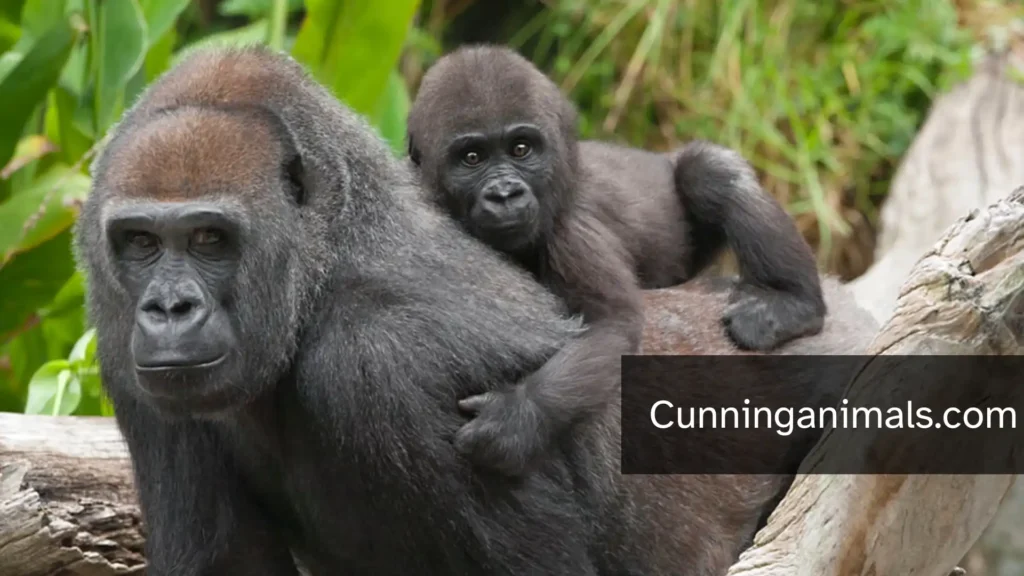
Despite their herbivorous diet, they exhibit social behavior during feeding, with families foraging together. This greedy edge allows them to thrive in their habitats while showcasing their complex social structures.
Chimpanzee
Scientific Name: Pan troglodytes
Class: Mammalia
Diet: Omnivore
Chimpanzees are highly intelligent animals that display a complex range of behaviors, including a greedy approach to food. They often compete for fruits and nuts, using tools to access hard-to-reach nourishment.
Their social hierarchies influence feeding opportunities, leading to fascinating interactions as they navigate both cooperation and competition. This duality in behaviors underscores their role as one of the top greedy animals in the wild.
Spotted Hyena
Scientific Name: Crocuta crocuta
Class: Mammalia
Diet: Carnivore
Spotted hyenas are often underestimated due to their scavenging nature, yet they are formidable hunters. Their cooperative hunting tactics allow them to take down prey larger than themselves, showcasing their greedy efficiency.
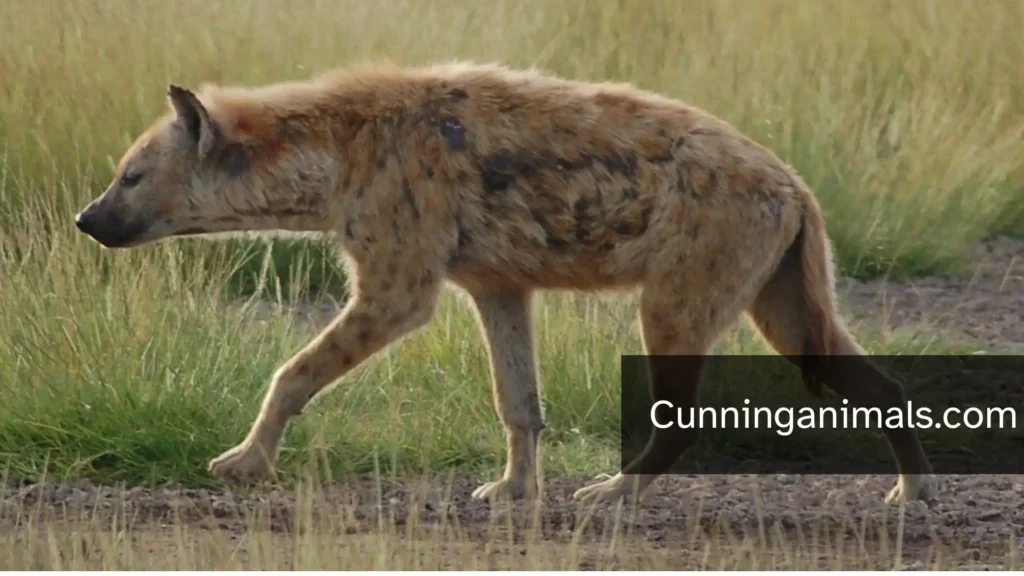
With a reputation for stealing from lions, these intelligent creatures exemplify the complex dynamics of greed in the animal kingdom. Their vocalizations and social structures further enrich their role as top predators in their ecosystems.
Interesting Facts About Greedy Animals
Greedy animals in the world paint an intriguing picture of survival instincts and adaptations. Their behavior often revolves around maximizing food intake, whether through caching, cooperation, or sheer opportunism.
- Certain greedy animals possess extreme metabolism, enabling them to consume large amounts of food daily to sustain their energy needs.
- Some species, like bears, can eat up to 20,000 calories in a single day during their feeding frenzy before hibernation.
- Food caching is a common behavior, with certain birds and rodents hiding their surplus food in various locations to secure meals for scarce times.
- Opportunistic feeders, like raccoons and seagulls, thrive in environments where they can exploit various food sources, showcasing their adaptability.
- Specialized teeth of greedy animals such as tigers and hyenas allow them to consume and process tough meat efficiently.
- Powerful jaws of animals like crocodiles enable them to crush bones and gulp down extensive meals in record time.
- Many more greedy animals engage in seasonal feeding, capitalizing on abundant resources during specific times of the year to bulk up.
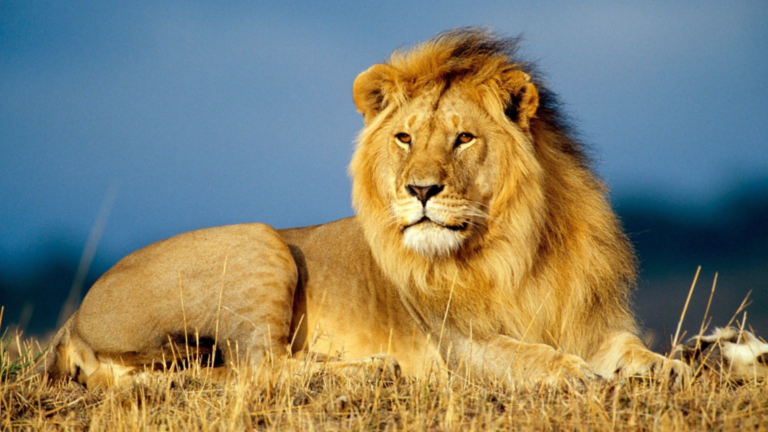
- Cooperative hunting is a strategy seen in wolves and lions, where teamwork enhances their ability to capture and share larger prey.
- The fierce competition for food among greedy animals drives evolutionary adaptations, leading to unique foraging strategies and physical traits.
- Some species have developed remarkable survival adaptations, such as the ability to go for long periods without food, showcasing their resilience.
Conclusion
The study of greedy animals in the world reveals much about the instinctual behaviors that drive survival in the wild. These animals, characterized by their voracious appetites and resourcefulness, exhibit remarkable adaptations to meet their nutritional needs.
By observing their feeding habits, we uncover not only their individual traits but also the broader ecological implications of their greed. Each species presents a unique case study in the struggle for resources and the importance of competition in nature.
FAQs
What Is The Greediest Animal?
There is no scientifically recognized “greediest animal,” but the American pygmy shrew is a strong example because it has an extremely fast metabolism and must eat frequently to survive.
Which Animal Is Known For Greed?
The Tasmanian devil is often associated with greedy feeding because it can consume a large portion of its body weight in one meal and may eat almost an entire carcass. Its intense feeding behavior helps it survive in an environment where food can be unpredictable.
Which Is The Most Selfish Animal?
There is no scientific way to identify one animal as the “most selfish.” However, chimpanzees can show competitive and self-serving behaviors around food, including competing for valuable resources and using food in social interactions.
What Is The #1 killer Animal?
If you mean the animal responsible for the most human deaths, the mosquito is generally considered #1 because it spreads diseases such as malaria, dengue, and other infections. It is not dangerous because of its bite itself, but because of the pathogens it can transmit.