Top 18 Small Monkey Breeds (With Pictures, Sizes, Facts & Unique Traits)
Small monkey breeds offer a delightful glimpse into the world of primates, captivating animal lovers with their unique traits and charming characteristics. These small monkeys, with their diverse range of sizes and personalities, not only pique our curiosity but also serve as important indicators of biodiversity.
Let’s explore the top 18 small monkey breeds, complete with pictures, size comparisons, and fascinating facts about each breed. You will come away with a deeper understanding of these enchanting creatures and what makes them special.
What Are Small Monkey Breeds?
Small monkey breeds encompass a variety of primate species characterized by their diminutive size. This term isn’t scientifically categorized but is commonly used to describe monkeys that are notably smaller than their counterparts. Marmosets and tamarins stand out in this group, often captivating enthusiasts with their playful nature and tiny dimensions, making them popular pets and subjects of study.
Most small monkeys belong to the New World monkey family, originating from the lush landscapes of Central and South America. However, not all petite primates fall into this category. Talapoins, for example, belong to the Old World monkey group, demonstrating the diversity in the primate family tree and showing that size doesn’t strictly designate group classification.
18 Small Monkey Breeds At A Glance
| No. | Monkey Name | Scientific Name | Approx. Body Length | Approx. Weight | Native Region |
| 1 | Pygmy Marmoset | Cebuella pygmaea | 4.6–6.2 in | 3.5–5.3 oz | Amazon Basin |
| 2 | Roosmalen’s Dwarf Marmoset | Mico humilis | About 6 in | About 5–6 oz | Brazil |
| 3 | Common Marmoset | Callithrix jacchus | 7–8 in | 9–10 oz | Brazil |
| 4 | Goeldi’s Monkey | Callimico goeldii | 8–9 in | 14–17 oz | Amazon Basin |
| 5 | Emperor Tamarin | Saguinus imperator | 9–10 in | 10–14 oz | Amazon Basin |
| 6 | Pied Tamarin | Saguinus bicolor | 8–9 in | 14–16 oz | Brazil |
| 7 | Silvery Marmoset | Mico argentatus | 7–8 in | 10–13 oz | Brazil |
| 8 | Golden Lion Tamarin | Leontopithecus rosalia | 8–13 in | 17–24 oz | Brazil |
| 9 | Night Monkey | Aotus spp. | 9–11 in | 1.5–2.4 lb | Central & South America |
| 10 | Talapoin Monkey | Miopithecus talapoin | 10–14 in | 1.5–2.1 lb | Central & West Africa |
| 11 | Cotton-top Tamarin | Saguinus oedipus | 8–10 in | 14–18 oz | Colombia |
| 12 | White-footed Tamarin | Saguinus leucopus | 8–9 in | 13–16 oz | Colombia |
| 13 | Geoffroy’s Tamarin | Saguinus geoffroyi | 8.5–11 in | 14–18 oz | Panama & Colombia |
| 14 | Dusky Titi | Plecturocebus moloch | 9–13 in | 1.7–2.5 lb | South America |
| 15 | Squirrel Monkey | Saimiri spp. | 10–14 in | 1.5–2.6 lb | Central & South America |
| 16 | Common Squirrel Monkey | Saimiri sciureus | 10–14 in | About 1.5–2.5 lb | South America |
| 17 | Black-tailed Marmoset | Mico melanurus | About 8 in | Under 1 lb | Brazil & Bolivia |
| 18 | Pygmy Marmoset subspecies/forms | Cebuella pygmaea | About 5–6 in | A few ounces | Western Amazon |
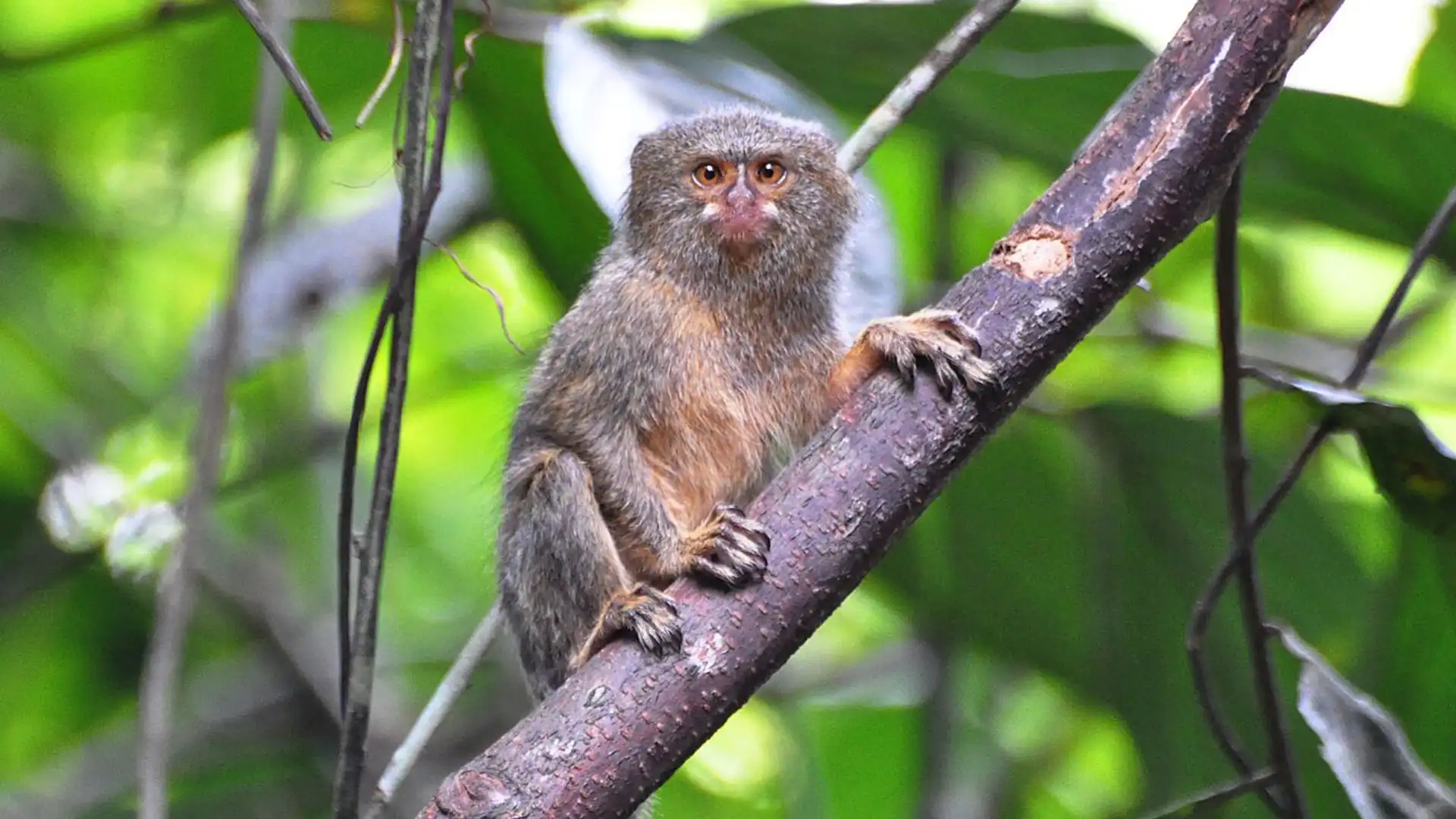
Pygmy Marmoset
Scientific Name: Cebuella pygmaea
The Pygmy Marmoset is the world’s smallest monkey, weighing less than 5 ounces and measuring about 5 inches in length. Native to the rainforests of the Amazon, this tiny creature is known for its stunning agility and remarkable ability to cling to tree trunks and branches.
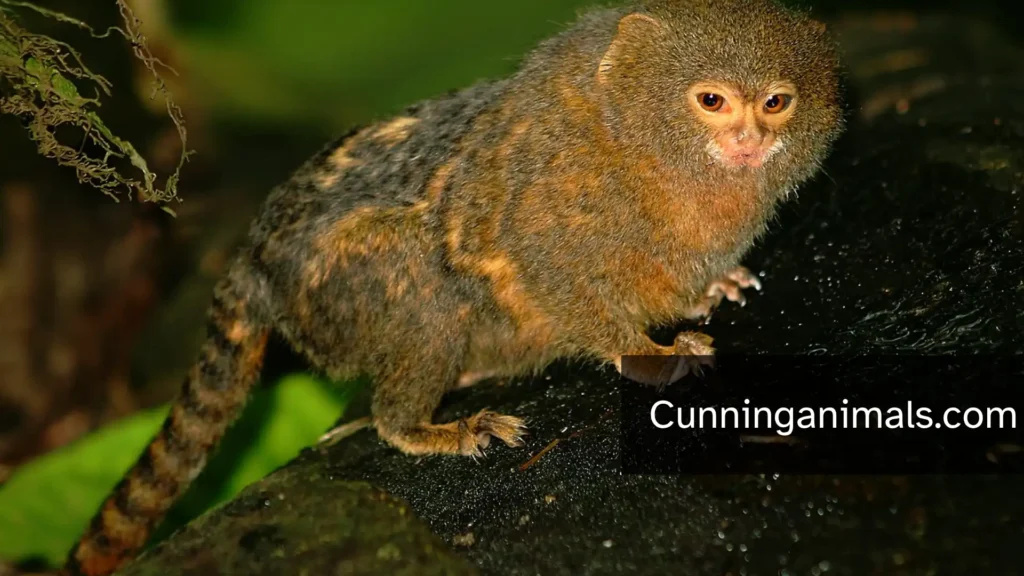
These small monkeys thrive in social groups, typically consisting of up to 15 individuals, and exhibit fascinating vocalizations to communicate. While Pygmy Marmosets form close-knit troops, plenty of species in the animal kingdom take a completely different approach to survival.
Some of the most fascinating animals that live in groups rely on numbers for protection, foraging, and raising young a strategy these tiny primates have clearly mastered too.Their diet primarily consists of insects, fruits, and tree sap, making them vital contributors to their ecosystem.
Roosmalen’s Dwarf Marmoset
Scientific Name: Mico roosmalenorum
Roosmalen’s Dwarf Marmoset is known for its striking bushy tail and its unique physical features, including its fluffy eyebrows. This small monkey breed is found in the Brazilian Amazon, making its conservation essential to protect its native habitat.
The species is primarily frugivorous, relying heavily on fruits while also consuming insects and tree gum. Its social structure is characterized by familial groups, where strong bonds help them thrive in their dense forest habitat.
Common Marmoset
Scientific Name: Callithrix jacchus
As one of the most widely recognized small monkey breeds, the Common Marmoset has adapted exceptionally well to human environments. They’re often seen in urban areas, showcasing their ability to thrive outside traditional rainforest settings.
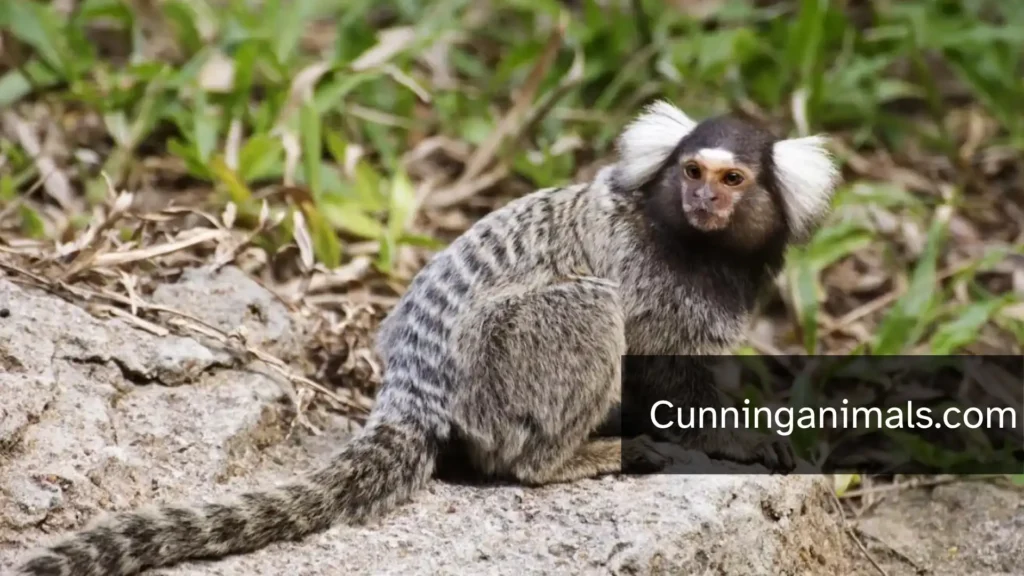
Their diet includes a mixture of fruit, insects, and exudates, emphasizing their ecological role in seed dispersal. Socially, they exhibit cooperative breeding behaviors, often sharing caregiving duties among group members, enhancing their community dynamics.
Goeldi’s Monkey
Scientific Name: Callimico goeldii
Goeldi’s Monkey presents a unique blend of physical and behavioral traits that differentiate it from other small monkey breeds. Characterized by its dark fur and white facial markings, it primarily inhabits the lowland forests of South America.
These monkeys are known for their insectivorous diet, relying heavily on a variety of invertebrates and plant materials. Their social structure is less rigid than that of some other marmosets, often leading to more fluid group dynamics and strengthened bonds among members.
Emperor Tamarin
Scientific Name: Saguinus imperator
With its distinctive white moustache and expressive facial features, the Emperor Tamarin is an iconic small monkey breed. These enchanting creatures are found in the tropical forests of the Amazon, often foraging in mixed-species groups.
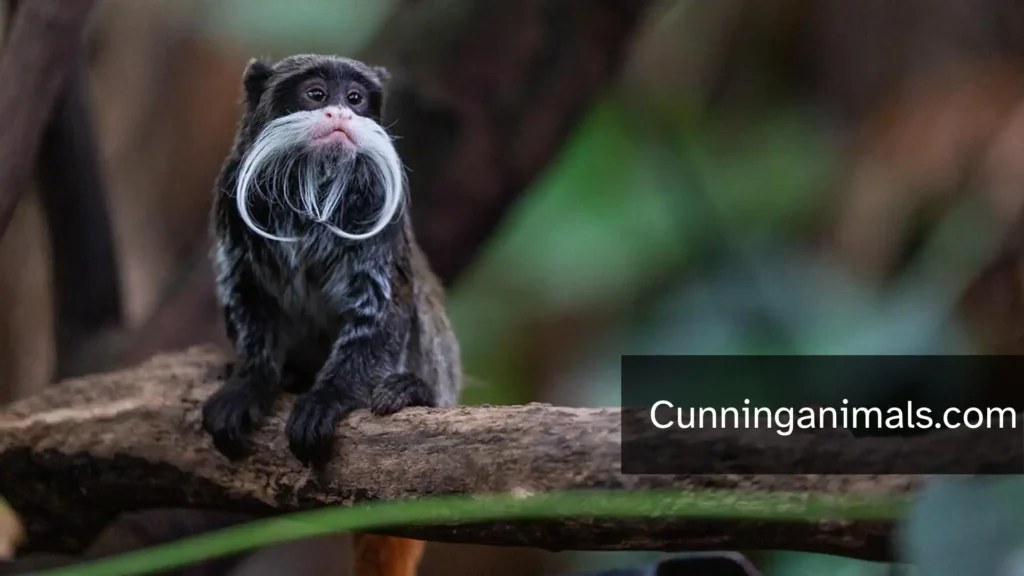
Their diet primarily consists of fruits, insects, and small vertebrates, showcasing their adaptability as foragers. Emperor Tamarins are known for their complex social structures and strong family ties, making them fascinating subjects of study in primate behavior.
Pied Tamarin
Scientific Name: Saguinus bicolor
The Pied Tamarin is recognizable by its striking black and white coloration, which makes it stand out in the lush Brazilian rainforest. This small monkey breed is considered endangered due to habitat destruction and fragmentation.
They exhibit a unique foraging style, often probing tree cavities in search of insects and fruit. Their vocal communication is intricate, with various calls signaling different social interactions, highlighting their complexity as social animals.
Silvery Marmoset
Scientific Name: Mico argentatus
Silvery Marmosets flaunt their striking silvery-gray fur, which helps them blend into the tree canopies of their Amazonian habitat. This small monkey breed plays a critical role in seed dispersal, benefiting forest regeneration.
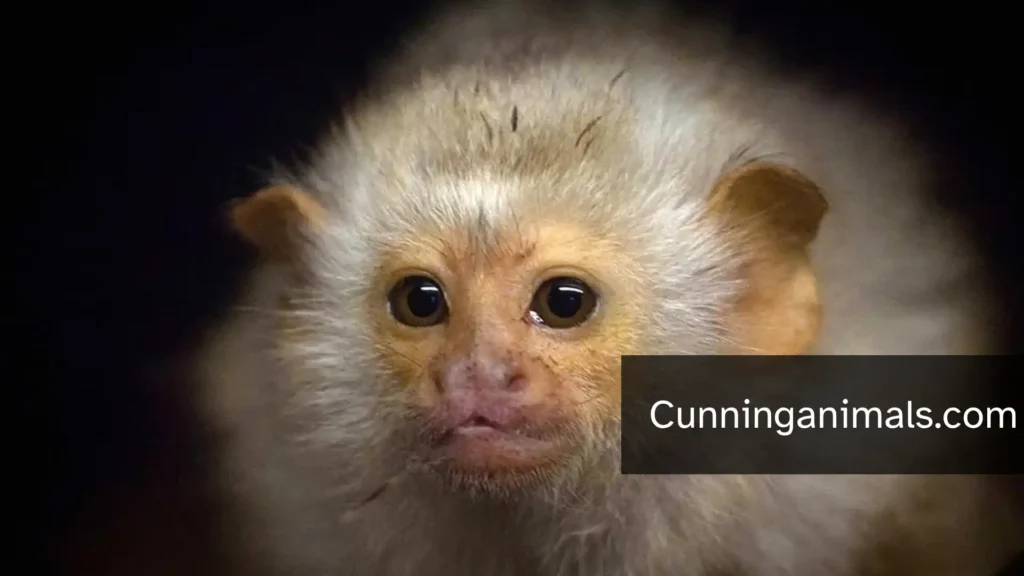
Their diet is diverse, ranging from fruits to small insects, emphasizing their adaptability in foraging strategies. Like many marmosets, they thrive in cohesive family groups, relying on social support for survival and well-being.
Golden Lion Tamarin
Scientific Name: Leontopithecus rosalia
The Golden Lion Tamarin is renowned for its vibrant golden fur and impressive mane, making it one of the most visually stunning small monkey breeds. That flowing golden coat isn’t the only “mane” worth admiring in the wild.
Several other species across the globe are famous for similarly dramatic manes, and you can explore more of these striking animals that have manes to see how this trait shows up in very different corners of the animal kingdom. Endemic to the Atlantic coastal forests of Brazil, its populations have faced significant threats from habitat loss.
Conservation efforts have been crucial to stabilizing their numbers, highlighting the importance of community-driven initiatives. These primates are highly social and often participate in playful interactions, reinforcing family bonds within their groups.
Night Monkey
Scientific Name: Aotus spp.
The Night Monkey, also known as the Owl Monkey, is recognized for its nocturnal lifestyle and large, expressive eyes adapted for low-light conditions. Found primarily in Central and South America, it’s one of the few truly nocturnal primates among small monkey breeds.
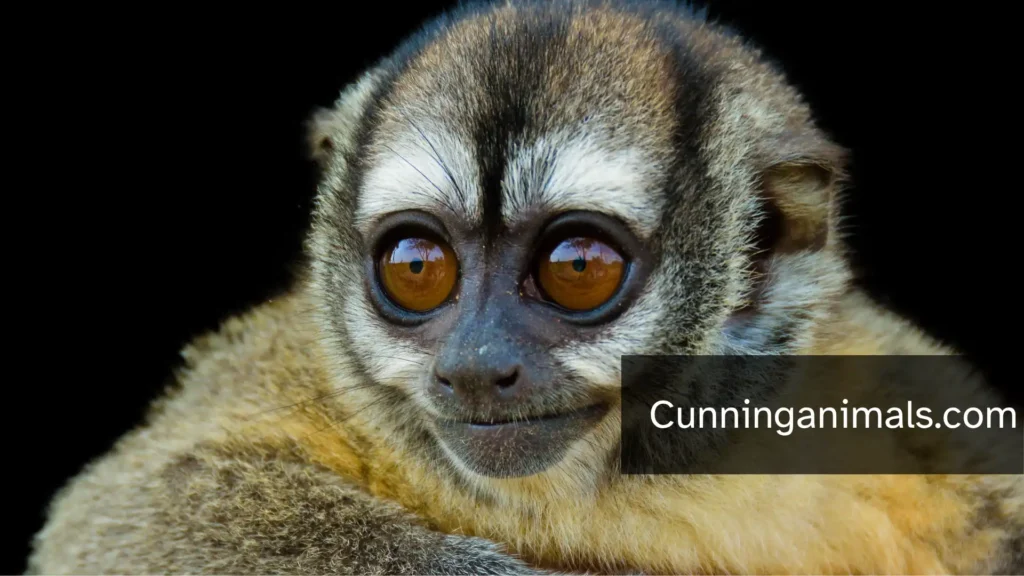
This unique adaptation allows them to take advantage of nighttime foraging, primarily consuming fruits and insects. Socially, they are monogamous, forming strong pairs that navigate the complexities of their environment together. This tight pair-bonding sets Night Monkeys apart from species that prefer to go it alone. If you’re curious how solo living works in nature, check out these notably solitary animals in the world for a look at the opposite end of the social spectrum.
Talapoin Monkey
Scientific Name: Miopithecus talapoin
The Talapoin Monkey is one of the smallest African monkeys, often found in the swamps and forests of West Africa. With their small size and agile nature, they are well-adapted to life in the trees, utilizing their long limbs to navigate the dense foliage.
Their diet consists mainly of fruits and leaves, and they are known for their nimble foraging techniques. Talapoin Monkeys live in small groups, often forming close-knit social structures that emphasize cooperation and support among members.
Cotton-top Tamarin
Scientific Name: Saguinus oedipus
The Cotton-top Tamarin is easily identifiable by its striking tuft of white fur on its head, resembling cotton candy. Native to Colombia, this small monkey breed is critically endangered due to habitat loss and illegal trapping.
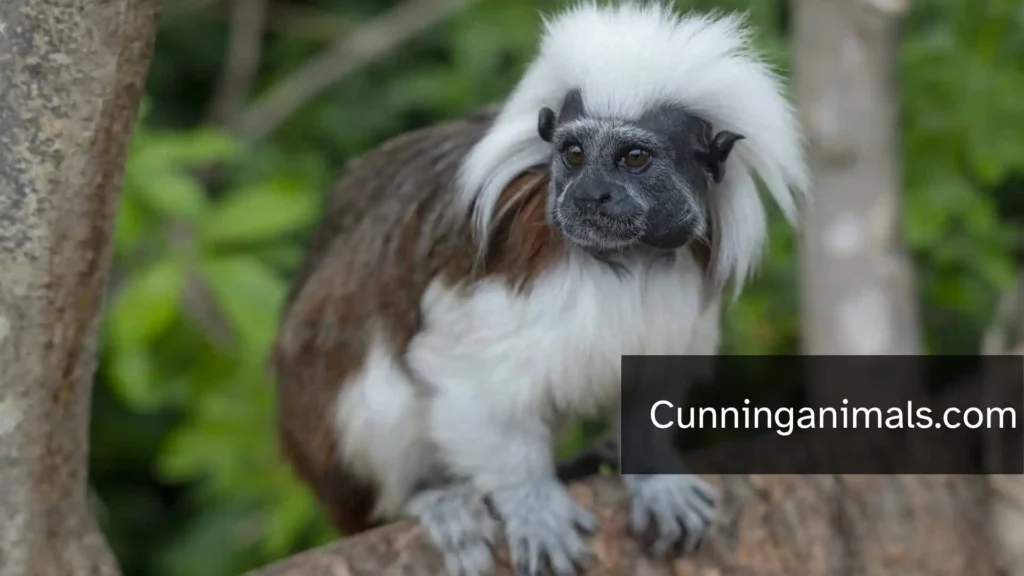
Their social systems are rich with interactions, where family members engage in vocal communication and cooperative breeding. They primarily feed on insects and fruits, playing an important role in their habitat’s ecological balance.
White-footed Tamarin
Scientific Name: Saguinus leucopus
The White-footed Tamarin features distinct white foot markings, contrasting beautifully with its dark body. Native to the forests of Brazil, this small monkey breed faces challenges from habitat destruction that threatens its survival.
These monkeys often forage alongside other species, showcasing their adaptability in mixed-species communities. Their diet includes fruits and insects, reflecting their diverse foraging habits and ecological role in their environment.
Geoffroy’s Tamarin
Scientific Name: Saguinus geoffroyi
Geoffroy’s Tamarin, with its known playful nature and distinctive coloring, is prevalent across Central America. This small monkey breed is important for its role in forest ecosystems through fruit dispersal and insect control.
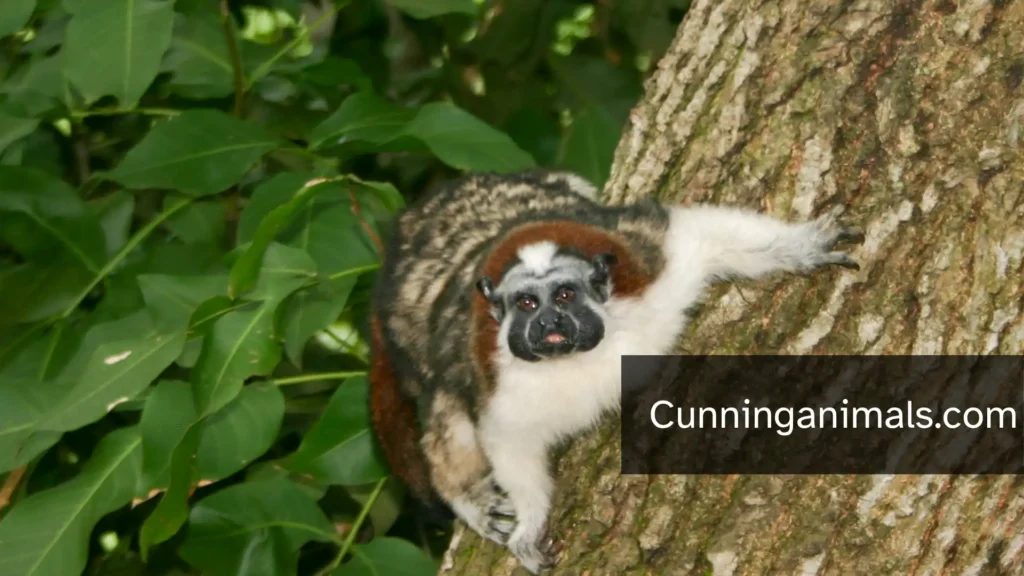
Their vocalizations are intricate, serving as a means to maintain social cohesion within groups. These tamarins are highly social, often found in family units, engaging in grooming and play behaviors that strengthen their social ties.
Dusky Titi
Scientific Name: Callicebus moloch
Dusky Titi Monkeys are characterized by their unique dark fur and long, thin tails, making them agile tree-dwelling foragers. Found primarily in the forests of Brazil, these small monkey breeds exhibit fascinating social structures that reflect strong bonds within family groups.
Their diet consists mainly of fruits, leaves, and flowers, playing a crucial role in maintaining the health of their habitat. Socially monogamous, they often engage in extensive grooming behaviors, which reinforce their bonds and enhance group harmony.
Squirrel Monkey
Scientific Name: Saimiri sciureus
The Squirrel Monkey is known for its lively disposition and striking coloration, predominantly found in the tropical rainforests of Central and South America. This small monkey breed is highly agile and displays impressive climbing skills, allowing for efficient foraging. That kind of quick, energetic movement is a stark contrast to species built for a much slower pace of life. For comparison, take a look at some of the world’s most famously slow animals and how their sluggish lifestyle still works in their favor.
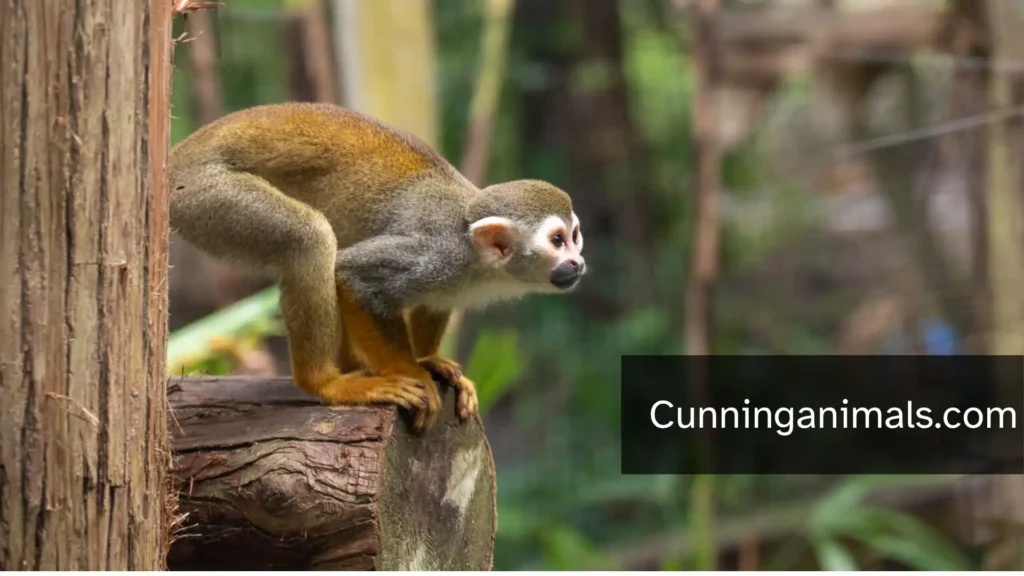
Their diet is varied, consisting of fruits, nuts, and insects, showcasing their adaptability. Squirrel Monkeys are highly social, often forming large troops where they engage in elaborate social behaviors, from grooming to vocal communication.
Common Squirrel Monkey
Scientific Name: Saimiri sciureus
As a subspecies of Squirrel Monkey, the Common Squirrel Monkey thrives in groups, often seen engaging in dynamic social interactions within their large troops. Their playful nature contributes to the rich social fabric of their communities, often enhancing group cohesion.
These monkeys primarily forage for fruits and small insects, demonstrating a remarkable capacity for finding food in dense canopies. Their vibrant yellow fur makes them easily recognizable, adding to their appeal in wildlife watching.
Black-tailed Marmoset
Scientific Name: Mico melanura
The Black-tailed Marmoset is characterized by its striking black tail and small stature, adapting well to the dense canopies of the Brazilian rainforest. This small monkey breed plays an essential role in its ecosystem through seed dispersal and tree gum harvesting.
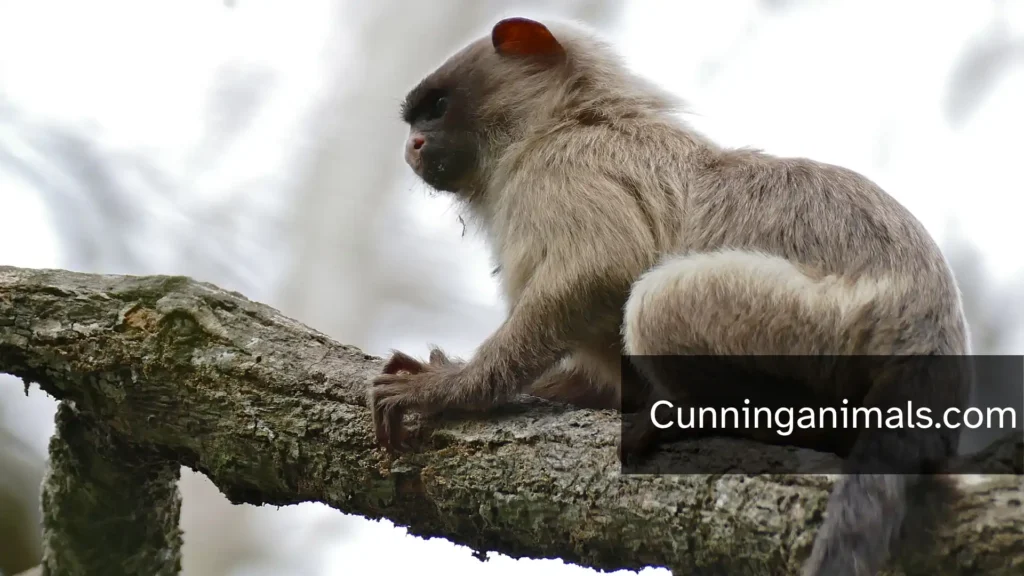
Socially, they live in family groups, where cooperation and communication are key to their success in finding food and navigating their environment. Their varied diet includes fruits and insects, allowing them to thrive in diverse habitats.
Pygmy Marmoset Subspecies/Forms
Scientific Name: Cebuella pygmaea (various subspecies)
The Pygmy Marmoset has several recognized subspecies, each exhibiting unique adaptations to their specific environments within the Amazon rainforest. These small monkey breeds highlight the remarkable biodiversity within a relatively small geographical area.
Each subspecies exhibits slight variations in fur color and pattern, showcasing the evolutionary adaptations to different habitats. Their social behavior remains consistent, emphasizing group dynamics and community interactions across the various forms.
Interesting Facts About Small Monkey Breeds
- The Pygmy Marmoset is the smallest true monkey.
- Marmosets use specialized teeth to gouge tree bark.
- Emperor Tamarins are famous for their long white mustaches.
- Golden Lion Tamarins have striking orange-gold coats.
- Talapoins are the smallest Old World monkeys.
- Night Monkeys are active after dark.
- Tarsiers are primates but are not true monkeys.
- Cotton-top Tamarins have elaborate vocal communication.
- Some tamarins play important roles in seed dispersal.
- Many small monkeys live in family groups.
- Several marmoset species use tree gum as a major food source.
- Small body size helps some species move through thin branches.
Conclusion
Exploring the diverse world of small monkey breeds reveals a captivating array of companions for those interested in unique pets. From their playful behaviors to their varying sizes and distinctive traits, small monkeys offer both joy and companionship.
Choosing one of these small monkey breeds requires careful consideration of their care needs and social behaviors. Whether you’re drawn to the affectionate Marmoset or the spirited Sugar Glider, each monkey brings its own charm to the table.
FAQs
What Breed Of Monkeys Stay Small?
Some monkey breeds that stay small include Pygmy Marmosets, Common Marmosets, Tamarins, Tarsiers, and other small primate species. The Pygmy Marmoset is the smallest true monkey.
What Is The Best Small Pet Monkey?
There is no single best small pet monkey. Marmosets and tamarins are sometimes kept as pets, but they have complex social, dietary, and care needs and are not easy animals to keep at home.
What Are The 10 Smallest Monkey Species In The World?
Some of the smallest monkey species include the Pygmy Marmoset, Roosmalen’s Dwarf Marmoset, Common Marmoset, Silvery Marmoset, Pied Tamarin, Cotton-top Tamarin, Golden Lion Tamarin, Emperor Tamarin, Goeldi’s Monkey, and Geoffroy’s Tamarin.
What Is The Smallest Monkey?
The Pygmy Marmoset (Cebuella pygmaea) is the smallest monkey in the world. It measures about 4.6–6.2 inches in body length and weighs around 3.5–5.3 ounces.