20 Animals Without Legs: Amazing Legless Animals & Facts
The natural world is filled with extraordinary adaptations, and animals without legs stand out as some of the most fascinating examples. From the stealthy slither of a snake to the graceful glide of an eel, an animal without legs often displays unique methods of movement that captivate our imagination.
Learning about these legless wonders not only broadens our understanding of biodiversity but also highlights the resilience of life. Join us as we delve into 20 remarkable animals with no legs, uncovering intriguing facts about their lifestyles and habits.
What Are Animals Without Legs?
What are animals without legs? True legless animals, like snakes and eels, have evolved to thrive in their environments without traditional limbs. Their streamlined bodies enable efficient movement through various terrains, such as water and dense vegetation. On the other hand, some creatures possess reduced or modified limbs.
Interestingly, not every animal that crawls can be classified as completely legless. Species like hagfish exhibit primitive limb structures, yet they primarily rely on their body movements to navigate. This diversity highlights the remarkable adaptations that allow various animals to inhabit different ecosystems.
Top 20 Animals Without Legs — Comparison Table
| Rank | Animal | Scientific Name | Class | Key Feature |
| 1 | Snake | Serpentes | Reptilia | Moves without limbs using body muscles and ribs |
| 2 | Earthworm | Lumbricus terrestris | Clitellata | Moves through soil without legs |
| 3 | Snail | Gastropoda | Gastropoda | Glides using a muscular foot |
| 4 | Caecilian | Gymnophiona | Amphibia | Legless, burrowing amphibian |
| 5 | Eel | Anguilliformes | Actinopterygii | Snake-like fish with fins |
| 6 | Legless Skink | Acontias | Reptilia | Lizard adapted to a limbless lifestyle |
| 7 | Slow Worm | Anguis fragilis | Reptilia | Legless lizard with eyelids |
| 8 | Glass Lizard | Anguidae | Reptilia | Legless lizard with detachable tail |
| 9 | Flowerpot Snake | Indotyphlops braminus | Reptilia | Tiny snake that reproduces without males |
| 10 | Hagfish | Myxini | Myxini | Produces large amounts of defensive slime |
| 11 | Ribbon Worm | Nemertea | Nemertea | Uses an extendable proboscis to catch prey |
| 12 | Velvet Worm | Onychophora | Onychophora | Shoots sticky slime at prey |
| 13 | Bobbit Worm | Eunice aphroditois | Polychaeta | Buried ambush predator |
| 14 | Sea Angel | Clione limacina | Gastropoda | Transparent swimmer with wing-like fins |
| 15 | Leech | Hirudinea | Clitellata | Crawls using suckers |
| 16 | Sea Pig | Scotoplanes | Holothuroidea | Deep-sea sea cucumber |
| 17 | Bichir | Polypterus | Actinopterygii | Primitive fish with unusual paired fins |
| 18 | Manatee | Trichechus | Mammalia | No external hind legs |
| 19 | Caecilian Snake? | — | — | Replace with a verified legless species |
| 20 | Worm Snake | Carphophis amoenus | Reptilia | Small burrowing snake |
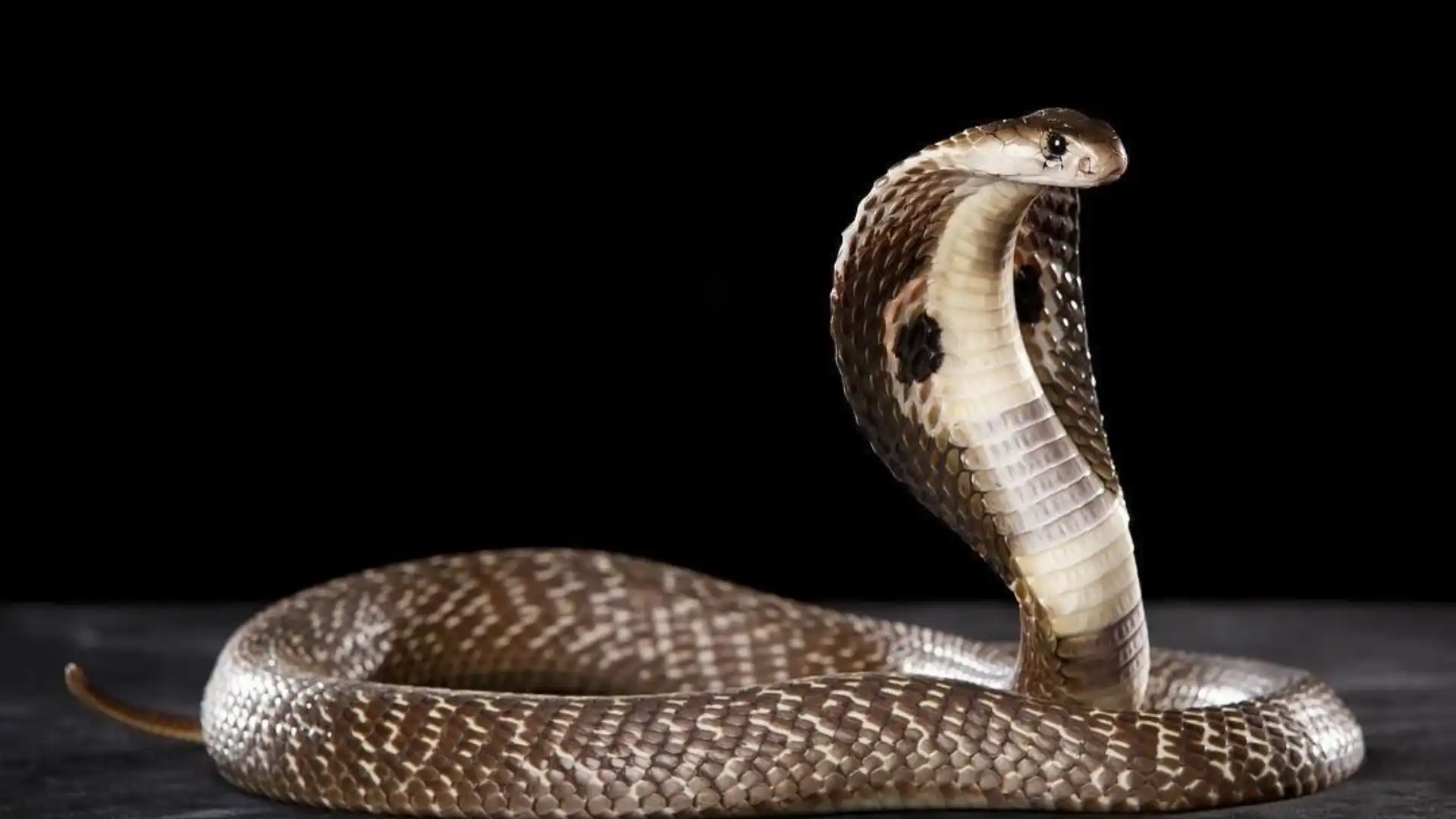
Snake
Scientific Name: Serpentes
Class: Reptilia
Habitat: Diverse environments including forests, deserts, and wetlands.
Snakes, with their sleek bodies and mesmerizing patterns, represent transformation and renewal. As they shed their skin, they remind us of the importance of letting go of the old to embrace new beginnings, inspiring us to seek growth and healing in our own lives. Whether gliding silently through the underbrush or basking in the sun, these remarkable creatures show us the beauty of adaptability, inviting us to reflect on our own resilience in the face of change.
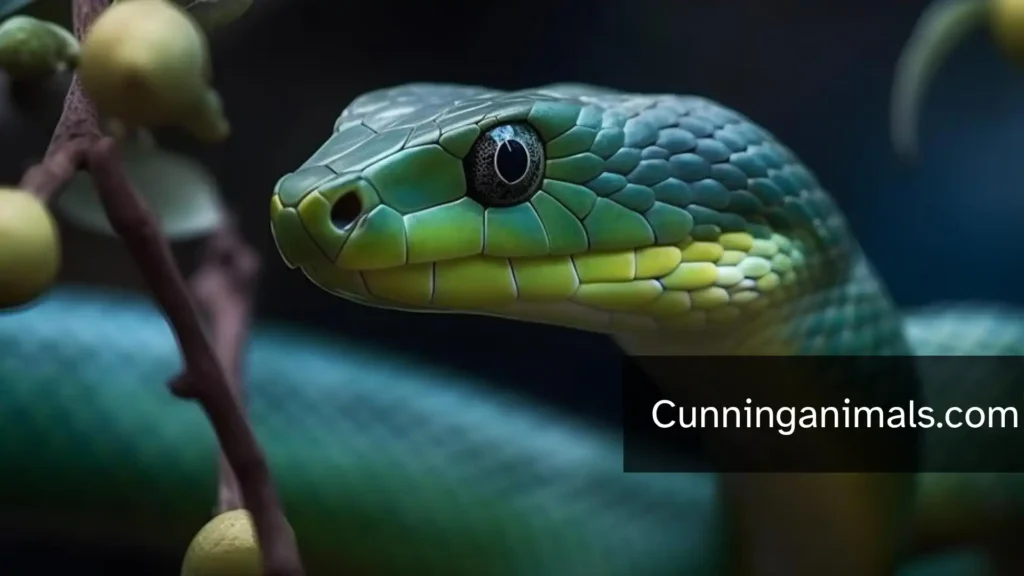
Their incredible diversity ranges from the tiny, colorful garter snakes to the majestic pythons. Fascinatingly, some snakes possess unique adaptations like infrared sensing, allowing them to detect heat in their environment, an extraordinary skill for both hunting and avoiding predators.
Earthworm
Scientific Name: Lumbricina
Class: Annelida
Habitat: Moist soil, often found in gardens and forests.
Earthworms play a vital role in nurturing our planet, acting as nature’s diligent recyclers. Their tireless work aerates the soil, promotes plant growth, and enriches the earth, reminding us of the interconnectedness of all life. As they work beneath the surface, they encourage us to appreciate the unseen contributions that create beauty and abundance in our world.
These humble creatures are often celebrated for their role in promoting soil fertility, and their presence indicates a healthy ecosystem. By consuming decomposing organic matter, they help transform waste into nutrient-rich soil, a beautiful cycle of renewal intrinsic to nature’s design.
Snail
Scientific Name: Gastropoda
Class: Mollusca
Habitat: Gardens, forests, and grasslands.
Snails, with their slow and deliberate pace, offer a heartfelt lesson in patience and mindfulness. Each spiral shell tells a story of growth and protection, encouraging us to embrace our unique journeys and take the time to savor life’s moments. As they carry their homes on their backs, they remind us of the importance of self-sufficiency and inner strength, celebrating the beauty in our personal spaces.
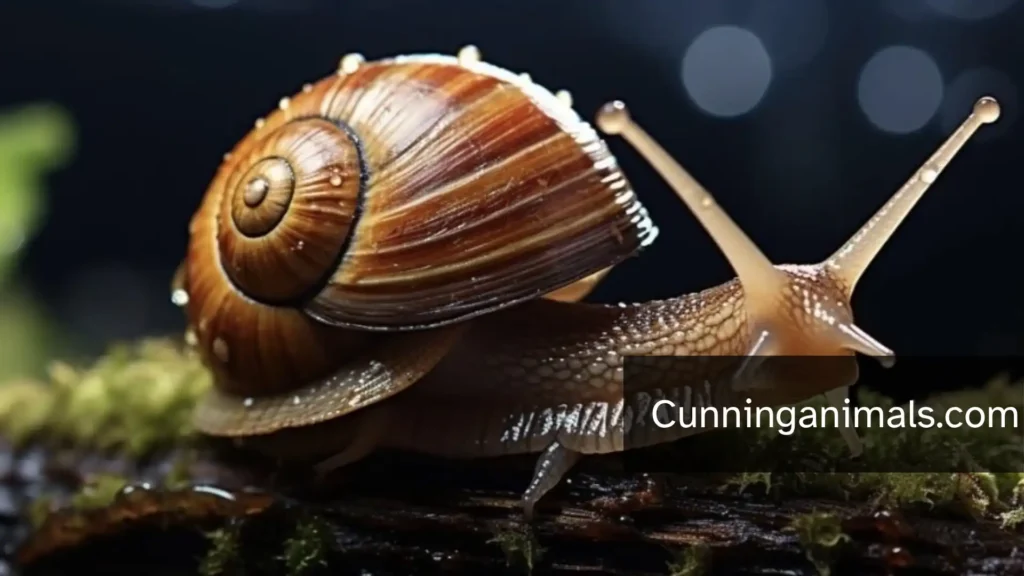
These charming creatures exhibit remarkable adaptations, like retractable bodies and protective shells, allowing them to thrive in varied environments. Their slime trails reveal a graceful path, symbolizing the journey we all take as we navigate challenges and explore the world around us.
Caecilian
Scientific Name: Gymnopthalmidae
Class: Amphibia
Habitat: Moist tropical forests and underground habitats.
Caecilians are a fascinating reminder of the hidden wonders of the animal kingdom, often overlooked due to their secretive lifestyle. Their snake-like appearance and burrowing habits teach us the value of embracing our unique qualities, as they thrive in environments most creatures never see. These remarkable amphibians inspire curiosity about the diversity of life while encouraging us to explore the depths of our own potential.
With their smooth, slimy skin and specialized senses, caecilians are perfectly adapted for life underground. Their secretive nature and ability to regenerate lost body parts reflect resilience and the mysteries that nature holds, urging us to find strength in our own hidden capabilities.
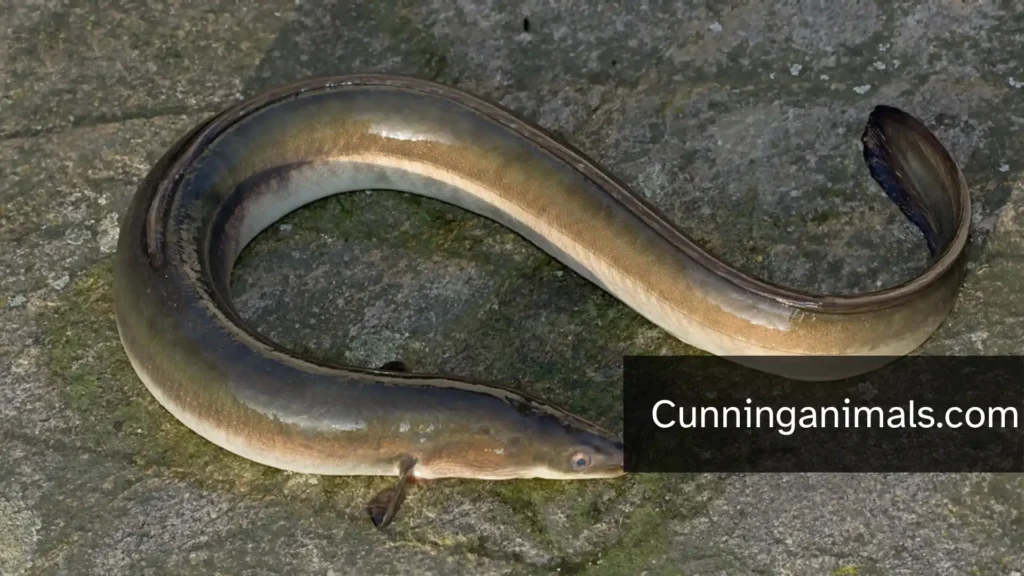
Eel
Scientific Name: Anguilliformes
Class: Actinopterygii
Habitat: Freshwater rivers, estuaries, and the ocean.
Eels, with their elongated bodies and swift movements, symbolize transformation and adaptability in the face of life’s currents. Their migratory journeys from freshwater to the ocean and back remind us that sometimes growth requires bold leaps into uncharted waters. This beautiful reminder of resilience encourages us to embrace change and find hope during life’s transitions.
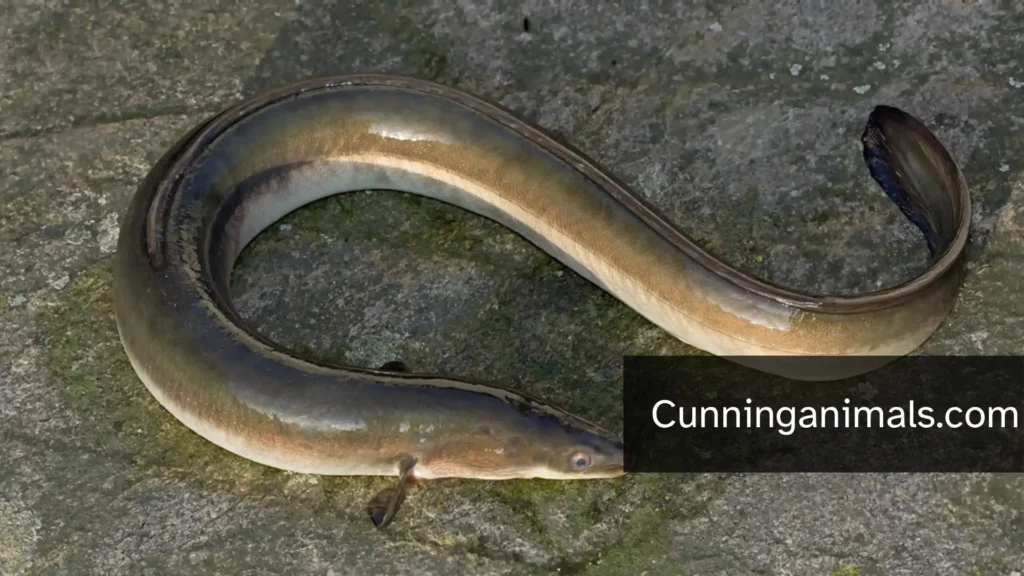
In addition to their unique life cycles, eels are fascinating creatures that play important roles in their ecosystems. Many eels possess remarkable abilities to survive in various habitats, highlighting the precious balance of nature and the importance of every being in its intricate web of life.
Legless Skink
Scientific Name: Plestiodon
Class: Reptilia
Habitat: Sandy soils, grasslands, and forests.
The legless skink showcases nature’s creativity, reminding us that there are many paths to function and success. These fascinating reptiles, often mistaken for snakes, embody resilience and adaptability in their legless form, teaching us to embrace our individuality. Their streamlined bodies enable them to glide through their environments, inspiring us to find harmony with our surroundings.
With their shiny scales and ability to burrow into the ground, legless skinks exhibit unique behaviors that aid in their survival. Their presence underscores the beauty of evolution and adaptation, urging us to celebrate our own journeys and the different forms they may take.
Slow Worm
Scientific Name: Anguis fragilis
Class: Reptilia
Habitat: Grasslands, gardens, and near woodlands.
Slow worms aren’t the only creatures that take life at an unhurried pace. If leisurely locomotion interests you, our article on slow animals explores more species that thrive by taking things slow.
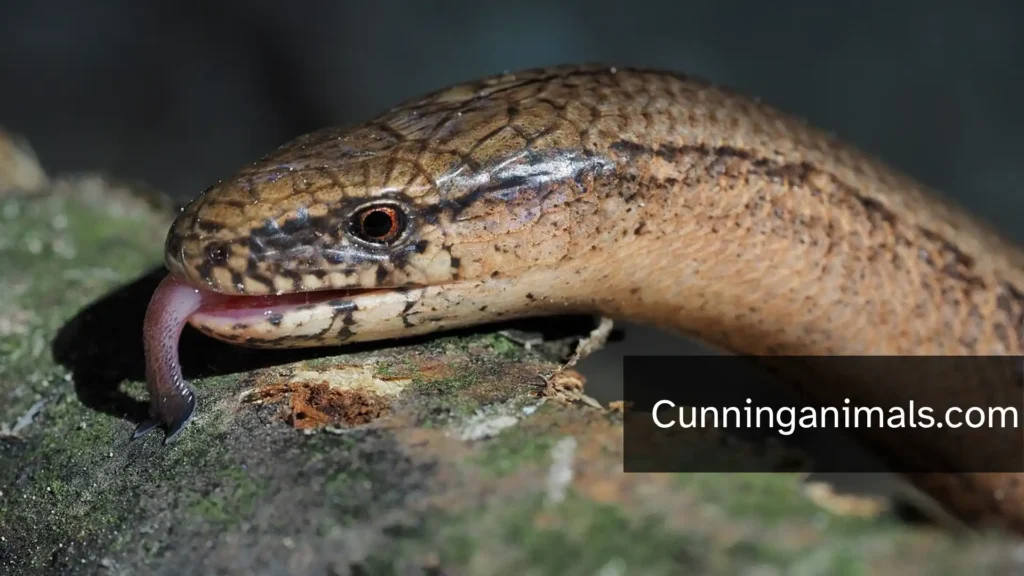
This remarkable species possesses unique adaptations that contribute to their survival, including the ability to shed their tails when threatened. Their peaceful interactions with their environments highlight a harmonious existence, showcasing how adaptability can lead to a fulfilling life.
Glass Lizard
Scientific Name: Ophisaurus
Class: Reptilia
Habitat: Grasslands, open forests, and scrublands.
The glass lizard, with its long, slender body and shiny scales, reflects nature’s elegance in the face of adversity. Though it resembles a snake, it celebrates its own identity as a legless lizard, teaching us about the beauty of embracing who we are. Its ability to shed its tail as a defense mechanism encourages us to recognize the power of transformation and renewal following our life’s challenges.
Distinctive markings like these aren’t unique to glass lizards patterned skin shows up across the animal kingdom for camouflage and signaling. Take a look at our roundup of animals with spots to see how other species use bold patterns to survive.
Flowerpot Snake
Scientific Name: Indotyphlops braminus
Class: Reptilia
Habitat: Gardens, potting soil, and tropical areas.
The flowerpot snake serves as a gentle reminder of how life often flourishes in unexpected places. Its unassuming presence in gardens emphasizes the beauty of symbiosis, showcasing how different creatures rely on one another for survival. Embracing their smallness and discretion, these snakes remind us that even the tiniest beings contribute to the richness of life.
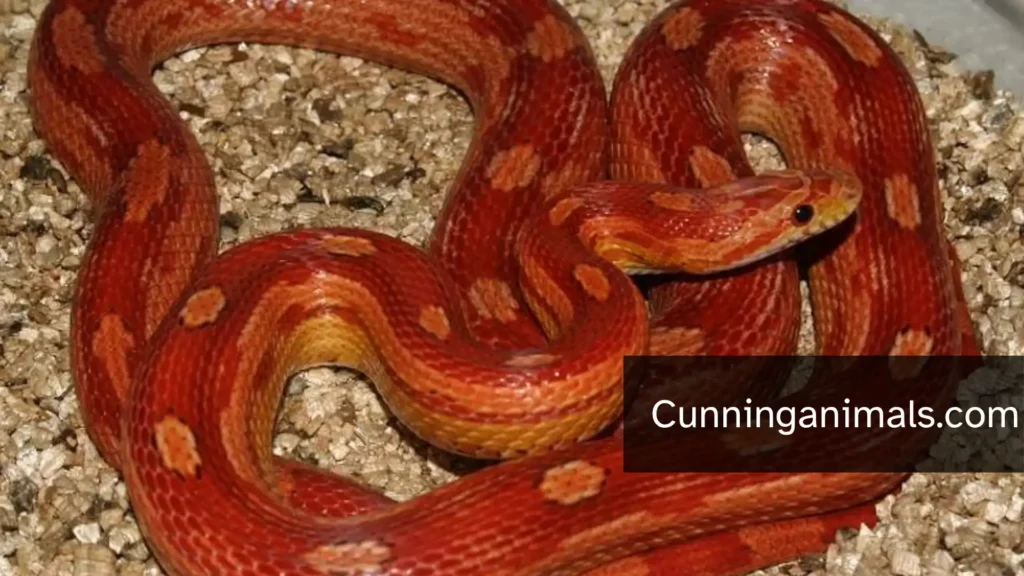
With their harmless nature and burrowing habits, flowerpot snakes play a crucial role in managing pest populations. Their adaptability to thrive in garden environments encourages us to appreciate the diversity of life that surrounds us and the blessings it brings.
Hagfish
Scientific Name: Myxini
Class: Myxini
Habitat: Deep ocean floors and muddy environments.
Many legless creatures, like hagfish, tend to live and hunt alone in the ocean depths rather than in groups. If solitary behavior in the animal kingdom fascinates you, check out our guide to solitary animals in the world for more creatures that prefer life on their own.
These remarkable creatures play a vital role in marine ecosystems, feeding on decaying matter and contributing to ocean health. Their presence embodies the idea that even in the depths of darkness, life finds ways to thrive and inspire hope through transformation.
Ribbon Worm
Scientific Name: Nemertea
Class: Nemertea
Habitat: Marine environments, often found in mudflats and tropical waters.
Ribbon worms are astonishing creatures that showcase nature’s remarkable diversity, with their long, slender bodies and vibrant colors. These fascinating animals remind us of the beauty of adaptability as they navigate through their aquatic habitats, inspiring us to be flexible in facing challenges. As they chase their prey with remarkable speed, they symbolize the importance of seizing opportunities that come our way.
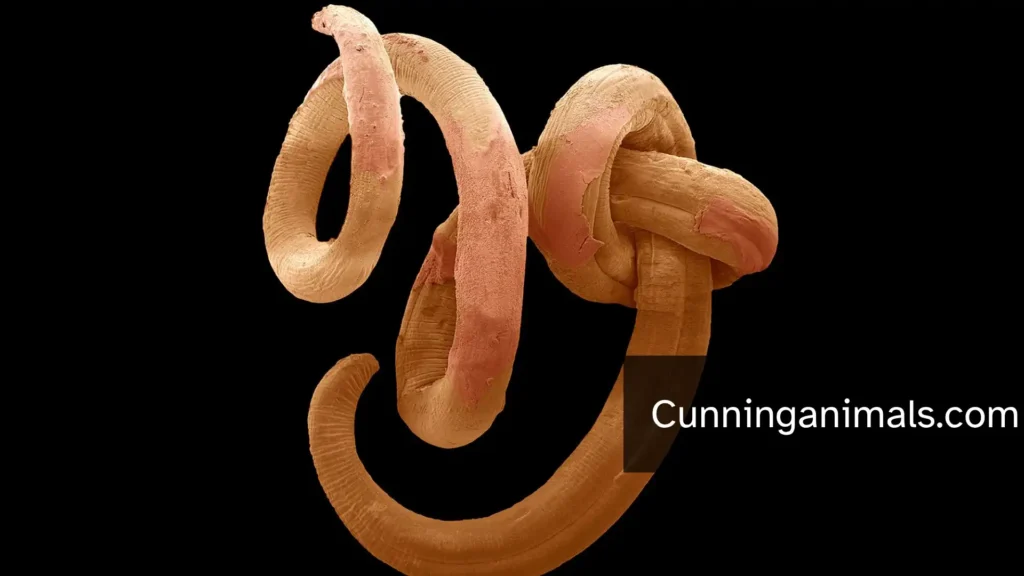
The unique feeding habits and regenerative abilities of ribbon worms highlight the mysteries of life, encouraging us to explore the unknown and appreciate the complexities around us. Their presence in marine ecosystems serves as a reminder that every creature, no matter how small, plays an integral role in the balance of our environment.
Velvet Worm
Scientific Name: Onychophora
Class: Onychophora
Habitat: Rainforests and moist environments.
Velvet worms, with their soft, velvety bodies and enchanting movement, illuminate the wonders found within the world’s ecosystems. These remarkable creatures act as a bridge between land and sea, showcasing the beauty of evolutionary adaptation, inspiring us to embrace various facets of our lives. Their slow and deliberate motions remind us to approach life with patience and wonder.
These fascinating animals possess unique predatory skills, using slime to ensnare their prey, serving as a metaphor for how we can overcome challenges with creativity and resourcefulness. Velvet worms nurture the cycle of nature, inviting us to appreciate the interconnectedness of all life forms.
Bobbit Worm
Scientific Name: Eunice aphroditois
Class: Polychaeta
Habitat: Ocean floors, often found in coral reefs.
Bobbit worms, with their striking colors and remarkable hunting abilities, symbolize resilience and survival in the magnificent depths of the ocean. Their ability to blend seamlessly into their environment teaches us the power of observation and the importance of embracing one’s surroundings. Despite their ferocity, these creatures remind us that influence and resilience can manifest in various forms.
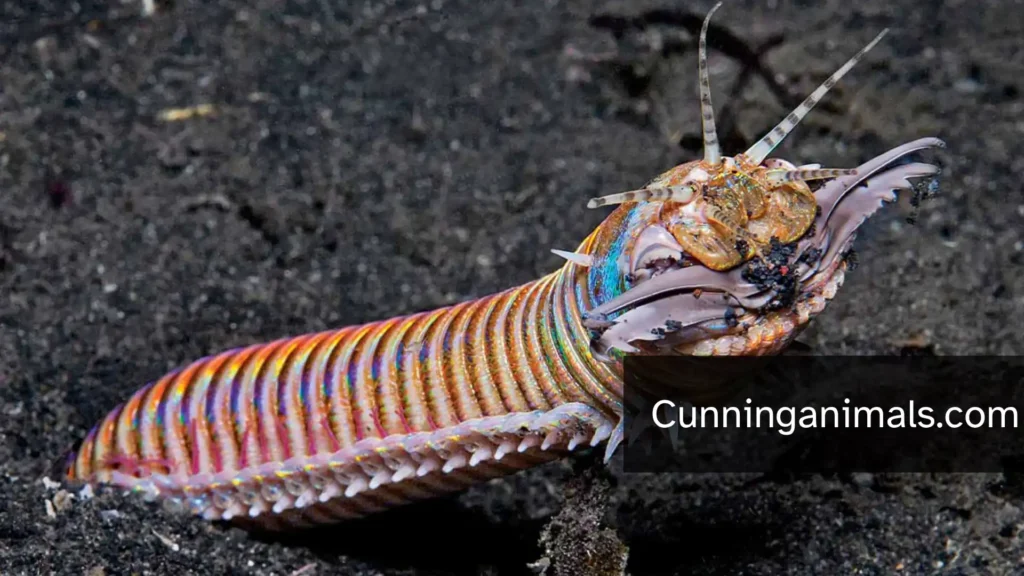
With their unique feeding strategies, bobbit worms play a vital role in marine ecosystems, highlighting the importance of balance and the necessity of every creature in nature. Their fascinating adaptations provoke curiosity and admiration for the incredible diversity of life beneath the waves.
Sea Angel
Scientific Name: Clione limacina
Class: Gastropoda
Habitat: Arctic and Antarctic waters.
Sea angels, delicate and enchanting, remind us of the ethereal beauty present in the ocean’s depths. Their graceful movements and almost angelic appearance inspire a sense of awe, encouraging us to explore the wonders of the marine world. These whimsical creatures embody the notion of hope as they glide through the waters, reminding us to embrace the lightness of being.
In their dazzling shapes and vibrant colors, sea angels challenge conventional ideas about life in the ocean, inviting us to witness the extraordinary beauty and diversity of its inhabitants. Their ethereal presence teaches us to look beyond the surface and appreciate the hidden wonders that life has to offer.
Leech
Scientific Name: Hirudinea
Class: Annelida
Habitat: Freshwater lakes, rivers, and moist environments.
Leeches, often misunderstood, play essential roles in maintaining the balance of aquatic ecosystems. Their unique feeding habits and the ability to heal wounds inspire reflections on the duality of nature, reminding us that even creatures that seem unappealing can contribute to healing and renewal. They encourage us to seek the positive aspects in all beings, whether in nature or in life.
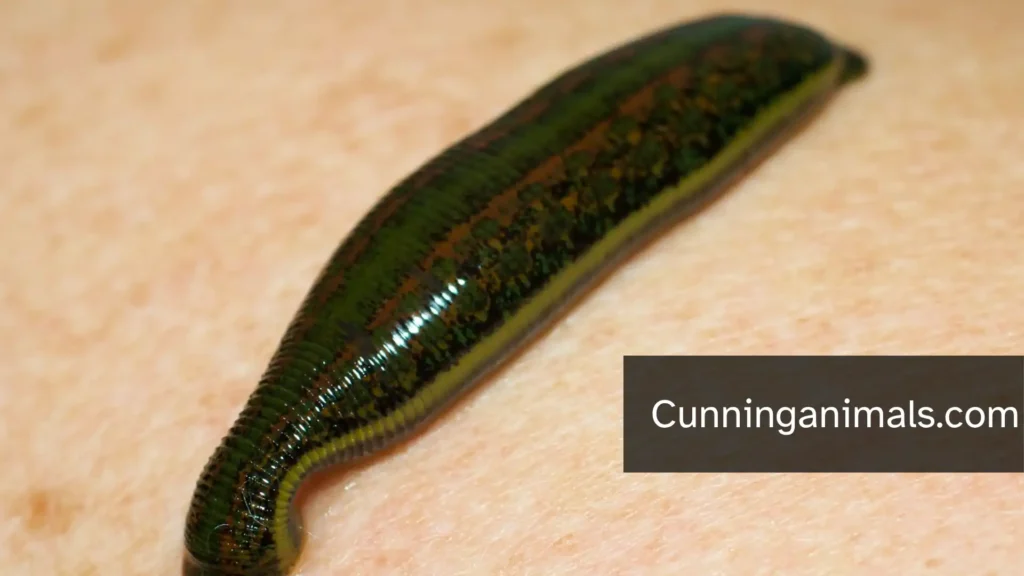
These intriguing organisms possess remarkable adaptations that allow them to thrive in a variety of habitats. By highlighting the importance of empathy in their interactions with other species, leeches nurture a deeper understanding of the interconnectedness of life, encouraging us to embrace our diverse world.
Sea Pig
Scientific Name: Scotoplanes
Class: Holothuroidea
Habitat: Deep-sea environments, usually on the ocean floor.
The sea pig exemplifies the beauty of the ocean’s hidden treasures, showcasing the wonder of life even in the deepest reaches of our planet. Its unusual appearance and gentle nature inspire appreciation for the diverse forms life can take. These remarkable creatures remind us that there is always beauty waiting to be discovered, teaching us to explore and cherish the unknown.
Living in the darkness of the ocean floor, sea pigs play an essential role in recycling nutrients and promoting the health of their habitats. Their peaceful existence encourages us to seek tranquility and balance in our own lives while embracing the intricacies of the world around us.
Bichir
Scientific Name: Polypterus
Class: Actinopterygii
Habitat: Freshwater rivers and swamps in Africa.
Bichirs, with their primitive appearance and unique adaptations, represent the ancient connections within our ecosystems. These fascinating fish remind us of the beauty inherent in all life forms, encouraging us to celebrate uniqueness and diversity in our own lives. As they glide through the waters, they embody grace and agility, urging us to embrace our own journeys.
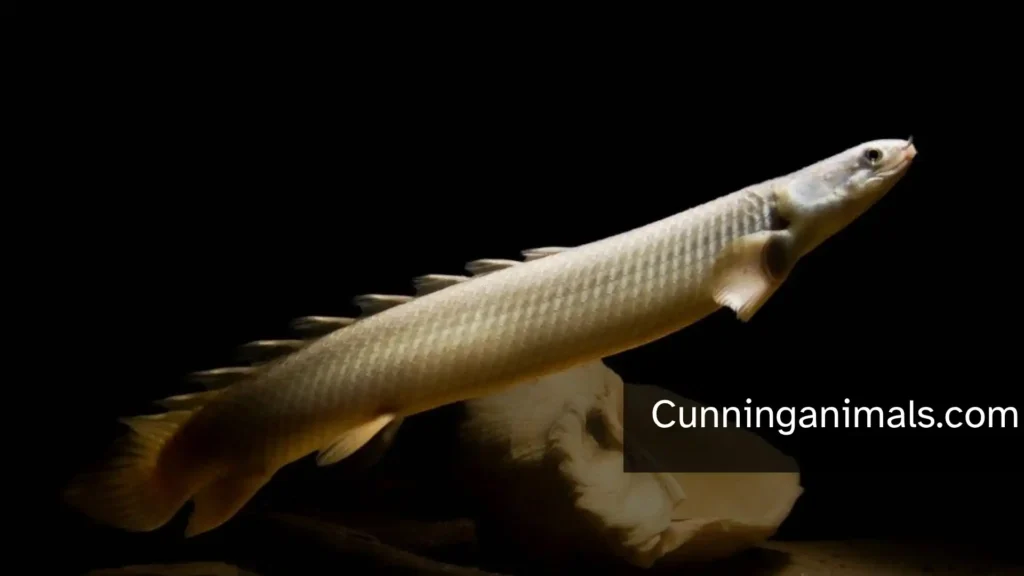
Known for their ability to breathe both water and air, bichirs stand as a testimony to adaptability and resilience, showcasing the necessity of evolving with the environment. Their presence in freshwater ecosystems highlights the richness of life and the importance of every creature in maintaining the delicate balance of nature.
Manatee
Scientific Name: Trichechus
Class: Mammalia
Habitat: Warm coastal waters and rivers.
Manatees, often known as “sea cows,” embody gentleness and tranquility, reminding us of the importance of harmony in our lives. Their slow, peaceful nature encourages us to appreciate the simple and beautiful moments, urging us to find stillness amidst our busy world. As these gentle giants glide gracefully through the water, they teach us to cherish life’s calm and nurturing aspects.
As herbivores, manatees play a crucial role in maintaining the health of aquatic ecosystems by promoting the growth of seagrasses. Their presence symbolizes the delicate balance of nature, inviting us to reflect on our own responsibilities in nurturing and protecting our environment.
Worm Snake
Scientific Name: Carphophis
Class: Reptilia
Habitat: Moist woodlands and grassy areas.
Worm snakes, with their slender bodies and smooth scales, serve as quiet guardians of the soil. Their unassuming presence speaks volumes about the balance of nature, and they highlight the significance of even the smallest creatures. As they burrow through the earth, they remind us of the importance of exploring our surroundings and embracing the richness of life beneath our feet.
These fascinating reptiles thrive in moist habitats, relying on their subtle movements to evade predators. Their role in controlling insect populations showcases the interconnectedness of life, inviting us to consider how our actions impact the environment around us.
Blind Snake
Scientific Name: Indotyphlops
Class: Reptilia
Habitat: Underground in tropical and subtropical regions.
Blind snakes, despite their lack of vision, are precious contributors to the intricate web of life beneath the surface. Their ability to navigate through their environments using other senses teaches us the value of intuition and adaptation. They embody the idea that health and beauty exist even in darkness, encouraging us to look beyond surface appearances and appreciate the hidden strengths within us.
Often found in gardens and soil, blind snakes play important roles in maintaining ecological balance. Their unique adaptations and gentle nature inspire us to embrace our own pathways, reminding us that light can emerge from the most unexpected places.
Interesting Facts About Animals Without Legs
Legless animals exhibit fascinating adaptations that allow them to thrive in diverse environments. While some are vertebrates, like snakes and eels, others, such as earthworms and certain types of caecilians, belong to the invertebrate realm. Notably, leg loss has occurred independently in various animal lineages, showcasing the beauty of evolutionary complexity.
- Snakes utilize coordinated body movements for their impressive locomotion.
- Some legless lizards maintain eyelids and external ear openings.
- Eels are categorized as fish, despite their snake-like appearance.
- Caecilians are unique amphibians, often mistaken for worms.
- Hagfish can excrete large amounts of slime for self-defense.
- Certain snakes retain vestigial remnants of hind limbs from ancestors.
- Leg loss shows up in multiple animal groups, highlighting evolutionary adaptations.
- Many legless animals excel in swimming or burrowing, enabling survival in their respective habitats.
Conclusion
In exploring the fascinating world of animals without legs, we uncover a diverse range of species that have adapted remarkably to their environments. From serpents to certain types of amphibians, these legless creatures showcase the incredible versatility of life on Earth.
The existence of an animal with no legs challenges our conventional understanding of mobility and survival in the wild. By learning more about no legs animals, we appreciate not only their unique adaptations but also the complexities of their ecosystems.
FAQS
What Do You Call A Creature With No Legs?
A creature with no legs is generally called a legless animal. Examples include snakes, worms, eels, and some lizards that have evolved without functional legs.
Which Insect Has No Legs?
Insect larvae, such as caterpillars and fly maggots, can have no true legs. However, adult insects normally have six legs, which is one of their defining characteristics.
Which Animal Has 10 Legs?
There is no well-known animal species that consistently has exactly 42 legs. Some centipedes can have 42 legs, but their number of legs varies by species and individual.
Which Animal Has 42 Legs?
There is no well-known animal species that consistently has exactly 42 legs. Some centipedes can have 42 legs, but their number of legs varies by species and individual.
Which Animal Has 5 Legs?
The starfish (sea star) is a well-known animal with five arms, although it is more accurate to call them arms rather than legs. Many sea star species have five arms arranged around a central body.