
14 Different Animals With 3 Toes (With Pictures, Facts & Habitats)
Among the diverse tapestry of wildlife, Animals With 3 Toes captivate both the curious mind and the nature enthusiast alike. From the graceful Three Toed Sloth hanging in tropical canopies to creatures that roam arid landscapes, these animals showcase unique adaptations that help them thrive in their habitats.
Understanding Animals With Three Toed Feet not only broadens our appreciation of biodiversity but also highlights the importance of conserving their environments. In this article, we’ll explore 14 fascinating Animals With Three Toes And Claws, complete with stunning pictures and insightful facts about their lives.
What Are Animals With 3 Toes?
Animals with three toes on a foot showcase a fascinating adaptation that often reflects their ecological niche. This unique toe arrangement can enhance balance, stability, and movement efficiency. In contrast to typical four-toed mammals, animals like the three-toed sloth or some species of birds have evolved to operate effectively in their environments, whether that’s through climbing, running, or foraging.
Toe arrangements significantly differ across the animal kingdom, with mammals, birds, reptiles, and amphibians showcasing remarkable diversity. For instance, three-toed mammals tend to utilize their feet for climbing or grasping, while birds, such as the wading sandpiper, leverage their toe configurations to maintain balance on slippery surfaces. Toe structure often shapes how an animal moves, and some creatures take that to the extreme. Discover animals that walk on two legs and how their feet and balance make it possible
List Of 14 Animals With 3 Toes
| No. | Animal | Scientific Name | Class |
| 1 | Rhinoceros | Rhinocerotidae (family) | Mammalia |
| 2 | Western Three-Toed Skink | Chalcides striatus | Reptilia |
| 3 | American Three-Toed Woodpecker | Picoides dorsalis | Aves |
| 4 | Rhea | Rhea americana / Rhea pennata | Aves |
| 5 | Emu | Dromaius novaehollandiae | Aves |
| 6 | Three-Toed Box Turtle | Terrapene carolina triunguis | Reptilia |
| 7 | Tapir | Tapiridae (family) | Mammalia |
| 8 | Three-Toed Swiftlet | Aerodramus papuensis | Aves |
| 9 | Three-Toed Parrotbill | Paradoxornis paradoxus | Aves |
| 10 | Three-Toed Sloth | Bradypus spp. | Mammalia |
| 11 | Common Quail | Coturnix coturnix | Aves |
| 12 | Bustard | Otididae (family) | Aves |
| 13 | Three-Toed Toadlet | Species-specific name required | Amphibia |
| 14 | Ostrich | Struthio camelus | Aves |
Rhinoceros
Scientific Name: Rhinocerotidae
Class: Mammalia
Diet: Herbivore
Rhinoceroses, large and majestic creatures, are characterized by their thick skin and formidable horns. With their three-toed feet, they possess a unique adaptation that aids in their weight distribution on varied terrains.

These animals are often found in grasslands and savannas, where their browsing habits significantly shape the ecosystem. Unfortunately, rhinos are critically endangered due to poaching and habitat loss, making conservation efforts imperative for their survival.
Western Three-Toed Skink
Scientific Name: Chalcides striatus
Class: Reptilia
Diet: Insectivore
This sleek, elongated lizard boasts a streamlined body and distinct three toes on each limb, allowing it to navigate sandy habitats with ease. Found primarily in the Mediterranean regions, the western three-toed skink hides beneath rocks and foliage, enhancing its survival against predators.
Its diet is diverse, including insects and small invertebrates, showcasing its crucial role in the ecosystem as a pest controller. Fascinatingly, this species has adapted well to urban environments, often spotted basking in sun-drenched gardens.
American Three-Toed Woodpecker
Scientific Name: Picoides dorsalis
Class: Aves
Diet: Omnivore
This striking woodpecker, known for its bold black and yellow plumage, is an adept forager in coniferous forests. Characterized by three toes, it uses its specialized feet to cling to tree bark while searching for insects hidden beneath the surface.

The American three-toed woodpecker plays a crucial role in its habitat by helping to control insect populations. As a cavity nester, it provides potential homes for various other species after it abandons its excavated tree holes.
Rhea
Scientific Name: Rhea americana / Rhea pennata
Class: Aves
Diet: Herbivore
Rheas are large flightless birds native to South America, easily distinguished by their long necks and robust bodies. With three toes on each foot, they can stride swiftly across open grasslands, a vital attribute for escaping predators.
These social birds often form groups, which provides both safety and communal foraging opportunities. Their herbivorous diet includes a mix of seeds, fruits, and flowering plants, making them an integral component of their ecosystems.
Emu
Scientific Name: Dromaius novaehollandiae
Class: Aves
Diet: Omnivore
Emus, the world’s second-largest birds, are known for their powerful legs and three-toed feet, which help them cover large distances across Australian landscapes. These flightless wonders can run at speeds of up to 30 miles per hour, expertly navigating their environment.

Emus have a varied diet that includes seeds, fruits, and insects, playing an important role in seed dispersal for native plant species. As they are vital to the Australian ecosystem, conservation efforts are focused on preserving their natural habitats amidst increasing development. Speed is one of the biggest advantages of strong, three-toed feet. See which creatures top the list in these strongest animals in the world and how power helps them survive.
Three-Toed Box Turtle
Scientific Name: Terrapene carolina triunguis
Class: Reptilia
Diet: Omnivore
The three-toed box turtle is easily recognized by its domed shell and unique three-toed feet, which enhance its ability to maneuver on land. This turtle species is often found in forests and grasslands, where it enjoys exploring its surroundings at a leisurely pace.
With a diet comprising both plant and animal matter, these turtles contribute to the balance of their ecosystems. Their hidden abilities, like retracting into their shells, offer remarkable defense against predators, illustrating nature’s ingenious survival tactics. Turtles may look slow, but they have some surprising skills. Find out more in this guide on can turtles climb and how their feet help them move.
Tapir
Scientific Name: Tapiridae
Class: Mammalia
Diet: Herbivore
Tapirs are fascinating animals that inhabit tropical rainforests and grasslands across Central and South America, as well as Southeast Asia. With three toes on their hind feet, they have evolved to navigate muddy terrain adeptly, showcasing their unique adaptations for survival.

These herbivores primarily feed on leaves, fruits, and aquatic plants, playing a crucial role in their ecosystems by aiding in seed dispersal. Though often elusive, tapirs are vital indicators of environmental health, emphasizing the importance of habitat conservation efforts. Tapirs often stay hidden in dense forests and avoid attention. Learn about other shy animals in the world that prefer to stay out of sight.
Three-Toed Swiftlet
Scientific Name: Aerodramus papuensis
Class: Aves
Diet: Insectivore
Named for its characteristic three toes, the three-toed swiftlet is an exceptional aerialist, expertly catching insects in flight. These small birds reside mainly in caves and cliffs throughout Southeast Asia, utilizing their extraordinary navigation skills in the dark.
They exhibit fascinating social behavior, often nesting in colonies and displaying loyalty to nesting sites over generations. Their unique ability to produce edible nests from saliva has cultural significance, particularly in traditional dishes like bird’s nest soup.
Three-Toed Parrotbill
Scientific Name: Paradoxornis paradoxus
Class: Aves
Diet: Herbivore
The three-toed parrotbill is a small, charming bird known for its distinctive call and vibrant plumage. With three toes that enhance its grip on twigs and reeds, it is perfectly adapted to its reedbed habitat in eastern Asia.

Its diet mainly consists of seeds and insects, contributing to the ecological balance of its wetland environments. Observers are often captivated by its sociable nature, as these birds tend to nest in small groups, enriching the biodiversity around them.
Three-Toed Sloth
Scientific Name: Bradypus spp.
Class: Mammalia
Diet: Herbivore
Renowned for their leisurely lifestyles and distinct three-toed limbs, three-toed sloths are the epitome of slow living in Central and South American rainforests. These creatures spend most of their lives hanging upside down, moving slowly through the treetops to conserve energy.
Their diet consists mainly of leaves, which are tough to digest, meaning they spend a significant amount of time resting. Not just slow, sloths are a unique component of their ecosystem, supporting various species of algae that thrive on their fur, thus contributing to biodiversity. Sloths are famous for taking life at a relaxed pace. Meet more slow animals that conserve energy and move with calm, careful steps.
Common Quail
Scientific Name: Coturnix coturnix
Class: Aves
Diet: Omnivore
The common quail, a small terrestrial bird, is easily identified by its distinctive plumage and three toes. These birds are known for their rapid ground-dwelling lifestyle, where they swiftly navigate through vegetation to evade predators.

Their diet includes seeds, leaves, and small insects, making them a valuable part of the agricultural ecosystem. Quail are also remarkable for their migratory behavior, showcasing adaptability to seasonal changes and habitat fluctuations.
Bustard
Scientific Name: Otididae
Class: Aves
Diet: Omnivore
Bustards, among the heaviest flying birds, inhabit grasslands and deserts across Europe, Asia, and Africa, where their three-toed feet help support their hefty bodies. They are known for their impressive courtship displays, which include elaborate dances and vocalizations.
As omnivorous foragers, bustards primarily consume seeds, insects, and small plants, contributing to the health of their ecosystems. Their conservation status varies greatly, with many species facing habitat loss, underscoring the need for targeted conservation strategies.
Three-Toed Toadlet
Scientific Name: Species-specific name required
Class: Amphibia
Diet: Insectivore
The three-toed toadlet is a diminutive amphibian typically found in moist environments where its peculiar three toes adapt it perfectly to its habitat. This species often thrives in wetlands and grasslands, displaying remarkable camouflage against predation.
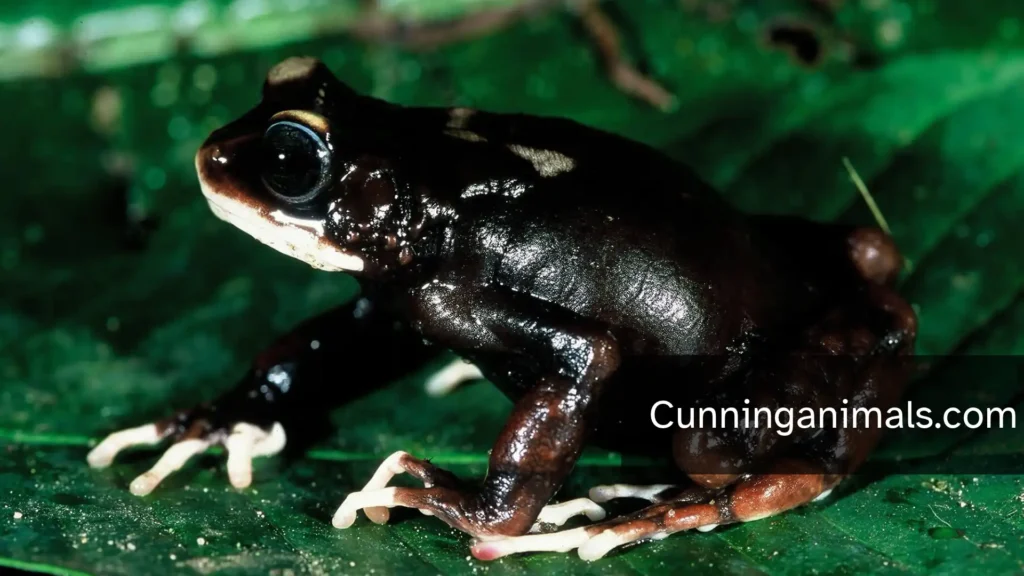
Primarily feeding on small insects, they play a critical role in controlling pest populations. Unfortunately, like many amphibians, they are vulnerable to climate change and habitat destruction, calling for urgent conservation efforts to secure their future.
Ostrich
Scientific Name: Struthio camelus
Class: Aves
Diet: Herbivore
The ostrich is the world’s largest living bird, famed for its impressive size and striking three-toed feet that facilitate swift running across the African plains. Despite their inability to fly, these flightless giants can reach speeds of up to 45 miles per hour, a key adaptation against predators.
Ostriches are primarily herbivorous, consuming a variety of seeds, grass, and shrubs, thus playing a significant role in their ecosystem. Their adaptability and social behavior, often found in groups, make them vital players in maintaining the ecological balance in their habitats.
Interesting Facts About Animals With 3 Toes
The fascinating world of animals with three toes showcases incredible adaptations that reflect their unique lifestyles and environments. From robust rhinoceroses to agile emus, these creatures demonstrate how evolutionary paths shape their physical attributes for survival.
- Rhinos have three toes on each foot, which helps them support their massive weight and navigate through tough terrains.
- Tapirs sport an interesting mix, with four toes on their front feet and three on their hind feet, allowing for a diverse range of movement in their lush habitats.
- Emus, as flightless birds, have adapted their three-toed feet for running, making them incredibly swift across Australia’s open landscapes.
- Three-toed sloths are well-known for their unique lifestyle; they utilize curved claws to effortlessly hang from branches and thrive in treetop canopies.
- The American Three-Toed Woodpecker boasts a distinctive toe arrangement, featuring a zygodactyl grip perfect for climbing trees in search of insects.
- Rheas, similar to emus, have powerful legs supported by three toes that enable them to sprint at impressive speeds across the grasslands.
- Some birds have evolved to feature three forward-facing toes and no hind toe, optimizing their ability to perch and grip.
- Toe arrangements can vary significantly among closely related species, offering fascinating insights into their evolutionary adaptations.
- Animal feet are meticulously adapted to the surfaces they frequent and the activities they engage in, reflecting their lifestyle and habitat.
- The common names of some animals, such as “Three-Toed Sloth,” can be misleading, as they might not always accurately portray the specific toe count.
Conclusion
Exploring the fascinating world of Animals With 3 Toes reveals a diverse array of species, each adapted to their unique environments. From the robust three-toed sloth to the agile three-toed box turtle, these Animals With Three Toed Feet demonstrate remarkable evolutionary traits that enhance their survival.
Understanding their habitats and behaviors not only enriches our knowledge of biodiversity but also highlights the importance of conserving these unique creatures. As you delve deeper into the lives of these three-toed animals, consider how you can contribute to their preservation in the wild.
FAQs
Which Animal Has Three Toes?
Emus, ostriches, and rhinoceroses are examples of three-toed animals. Emus and ostriches have three toes on each foot, while rhinoceroses leave distinctive three-toed footprints.
What Animal Has A Paw Print With 3 Toes?
Rhinoceroses, emus, and ostriches can leave three-toed footprints. Rhino tracks are usually broad and rounded, while emu and ostrich tracks tend to be longer and narrower.
What Are Some Examples Of Three-Toed Animals?
Examples of three-toed animals include emus, ostriches, rhinoceroses, and tapirs. Some birds also have three toes that help them walk, run, or perch.
Are There Any Three-Footed Animals?
No known animal species naturally has exactly three legs as its normal body structure. However, some animals may have three legs because of an injury, birth defect, or amputation.