
16 Down Syndrome Animals In The World: Facts & Pictures
The fascinating world of Down Syndrome animals is filled with surprising stories and extraordinary individuals that challenge our perceptions of health and capability. From dolphins to birds, these unique creatures have captured the hearts of many and demonstrate that differences can bring joy and inspiration.
Throughout this article, you’ll discover 16 remarkable examples, including the endearing dolphin with Down syndrome, the charming penguin with Down syndrome, and the captivating down syndrome bird. Understanding these animals sheds light on the broader conversations about diversity and acceptance in our world, fostering a deeper appreciation for life’s variances.
What Are Down Syndrome Animals?
“What Are Down Syndrome Animals?” is a term often used to describe animals that exhibit physical traits reminiscent of those associated with Down syndrome in humans. However, it’s crucial to clarify that Down syndrome itself is a specific genetic condition caused by trisomy 21 and is exclusive to humans.
In the animal kingdom, various conditions can mimic those traits, such as chromosomal disorders or congenital abnormalities resulting from developmental issues during gestation. For instance, certain breeds of dogs and cats may show distinct physical features or delays in development, which can invoke the term “Down syndrome” in a colloquial sense. Yet, these are not the same as true trisomy disorders found in humans.
Top 16 Down Syndrome Animals In The World
| No. | Animal Name | Scientific Name | Class | Habitat | Related Condition / Research |
| 1 | Chimpanzee | Pan troglodytes | Mammalia | Tropical forests | Rare trisomy 22 case reported |
| 2 | Mouse | Mus musculus | Mammalia | Fields, forests, human settlements | Genetic models used in Down syndrome research |
| 3 | Cat | Felis catus | Mammalia | Domestic environments | Congenital and craniofacial abnormalities |
| 4 | Dog | Canis lupus familiaris | Mammalia | Domestic environments | Congenital and developmental disorders |
| 5 | Gorilla | Gorilla gorilla | Mammalia | African forests | Developmental abnormalities |
| 6 | Orangutan | Pongo pygmaeus | Mammalia | Southeast Asian rainforests | Congenital abnormalities |
| 7 | Horse | Equus ferus caballus | Mammalia | Grasslands and farms | Chromosomal and developmental disorders |
| 8 | Cow | Bos taurus | Mammalia | Grasslands and farms | Congenital and chromosomal abnormalities |
| 9 | Rabbit | Oryctolagus cuniculus | Mammalia | Grasslands and domestic settings | Craniofacial and developmental abnormalities |
| 10 | Tiger | Panthera tigris | Mammalia | Forests and grasslands | Congenital abnormalities |
| 11 | Lion | Panthera leo | Mammalia | African savannas and Indian forests | Developmental abnormalities |
| 12 | Goat | Capra hircus | Mammalia | Mountains and farms | Congenital disorders |
| 13 | Pig | Sus scrofa domesticus | Mammalia | Farms and some forest habitats | Genetic models and congenital disorders |
| 14 | Sheep | Ovis aries | Mammalia | Grasslands and farms | Chromosomal and developmental disorders |
| 15 | Monkey | Various species | Mammalia | Forests and woodlands | Species-specific developmental abnormalities |
| 16 | Guinea Pig | Cavia porcellus | Mammalia | Domestic environments and grasslands | Congenital abnormalities |
Chimpanzee
Scientific Name: Pan troglodytes
Class: Mammalia
Habitat: Tropical forests and woodlands across Africa
Chimpanzees are remarkable creatures that offer a glimpse into our shared ancestry. They exhibit profound intelligence, using tools and developing complex social structures. Chimpanzees can even stand and move upright for short stretches, especially when carrying food or crossing shallow water. If you’re curious about other species with this skill, take a look at our list of animals that walk on two legs. It shows how many creatures have adapted to balancing on their hind limbs.
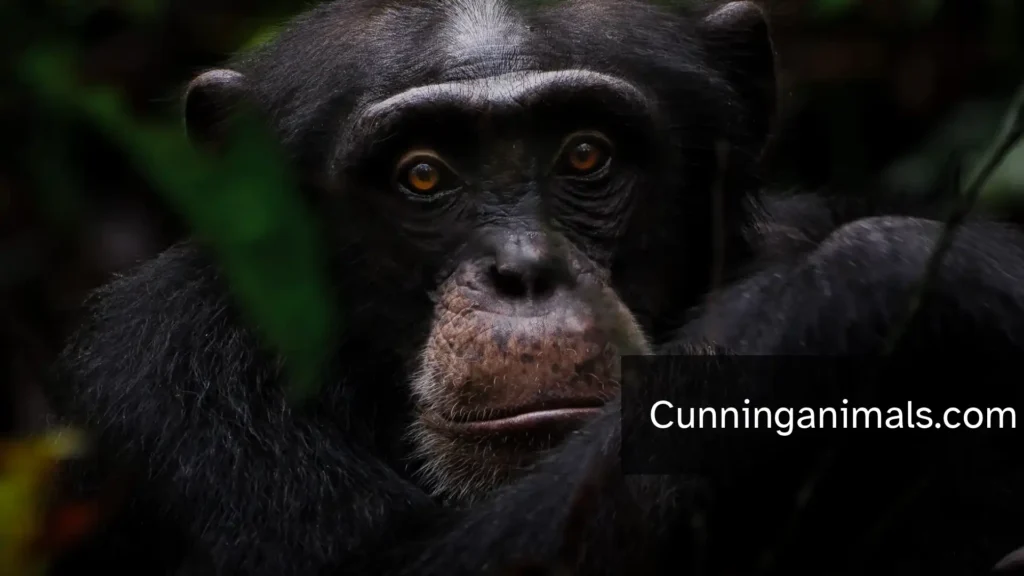
As the closest living relatives to humans, chimpanzees engage in playful activities and nurturing relationships, mirroring the essence of family bonds. Their ability to express emotion and work together highlights the importance of cooperation and empathy in our lives. Embracing these values can inspire us to cultivate stronger connections with each other.
Mouse
Scientific Name: Mus musculus
Class: Mammalia
Habitat: Diverse environments, including fields, forests, and urban areas
Mice may be small, but they pack a significant punch when it comes to adaptability. These incredible little beings thrive in nearly any environment, showcasing resilience and resourcefulness in the face of challenges. Their presence reminds us to appreciate the small things in life and the strength that can be found in simplicity.
Mice have an essential role in the ecosystem, serving as prey for larger animals while contributing to seed dispersal. Their industrious nature and lively spirit encourage us to explore our potential, no matter how daunting a task may seem.
Cat
Scientific Name: Felis catus
Class: Mammalia
Habitat: Domestic environments, often among humans
Cats are captivating companions known for their grace and mysterious charm. With their playful antics and soothing purrs, they invite us to experience the joy of companionship while urging us to slow down and savor the moment. Their presence can be a gentle reminder of the love and tranquility that exists in everyday life.

As natural hunters, cats embody agility and curiosity, enhancing our appreciation for the world around us. Their ability to adapt to various environments signifies resilience, encouraging us to explore new horizons with courage. Embrace the lessons offered by your feline friend and allow them to guide you toward finding joy in the mundane.
Dog
Scientific Name: Canis lupus familiaris
Class: Mammalia
Habitat: Domesticated habitats worldwide, alongside humans
Dogs are often referred to as man’s best friend for good reason. Their unwavering loyalty and capacity for unconditional love serve as a testament to the deep bonds that can exist between species. Their joyful spirit and playful nature remind us of the importance of companionship and bringing joy into our lives.
Moreover, dogs are incredibly intuitive creatures, often sensing our emotions and providing comfort in times of need. Their dedication teaches us the value of empathy and kindness, inspiring us to foster deeper connections with those around us. Embrace the playful spirit of dogs and allow it to awaken the hero within you.
Gorilla
Scientific Name: Gorilla gorilla
Class: Mammalia
Habitat: Forests and mountainous regions of Africa
Gorillas are majestic and powerful beings who embody strength and wisdom. Living in close-knit family groups, these gentle giants display emotional depth and nurturing instincts that resonate with us on a profound level. Their presence in the wild serves as a reminder of the importance of family ties and supporting one another.
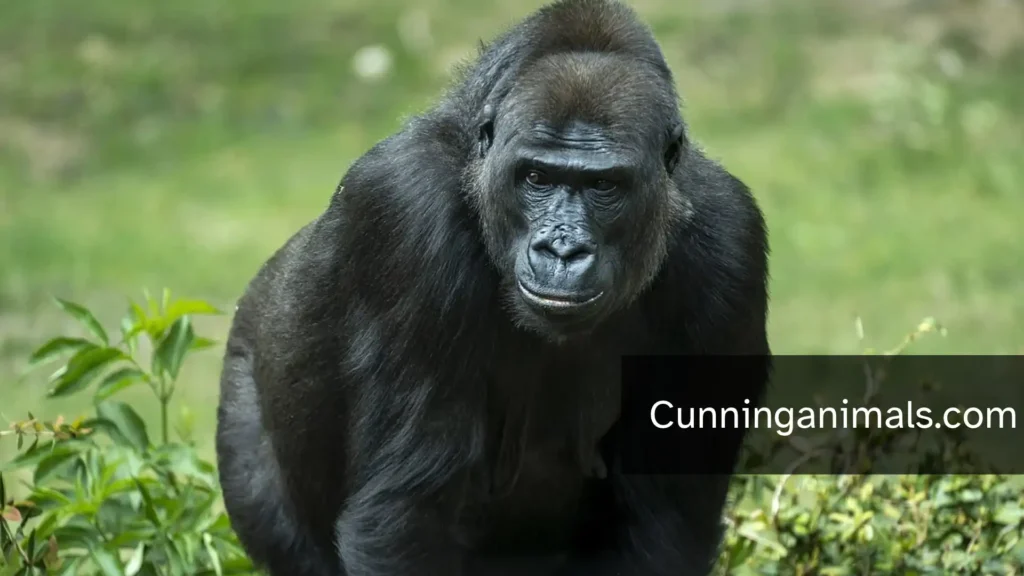
Despite their imposing size, gorillas are remarkably gentle and peaceful. Gorillas are far from the aggressive creatures that movies often make them out to be. When left undisturbed, they are easily counted among the most docile animals in the world. Their calm temperament is one reason they are so admired by wildlife lovers. Their social dynamics and effective communication highlight the value of connection and empathy.
Orangutan
Scientific Name: Pongo pygmaeus
Class: Mammalia
Habitat: Rainforests of Southeast Asia
Orangutans are extraordinary creatures known for their striking red fur and remarkable intelligence. Living predominantly in trees, they exhibit adaptability and curiosity in their daily lives. They remind us to reach higher, both literally and figuratively, seeking new experiences and knowledge as we journey through life.
These gentle beings are essential to their ecosystem, playing a vital role in seed dispersal and maintaining biodiversity. Their strong familial bonds and nurturing nature encourage us to cherish and support our loved ones. Engaging with the principles of love and compassion that orangutans embody can guide us toward a more fulfilling existence.
Horse
Scientific Name: Equus ferus caballus
Class: Mammalia
Habitat: Domesticated environments as well as grasslands and plains worldwide
Horses have been by our side for centuries, symbolizing strength, grace, and freedom. Their gentle demeanor and spirited nature reflect the power of partnership and trust. Watching them gallop through open fields can inspire feelings of joy and remind us of the power of liberation.
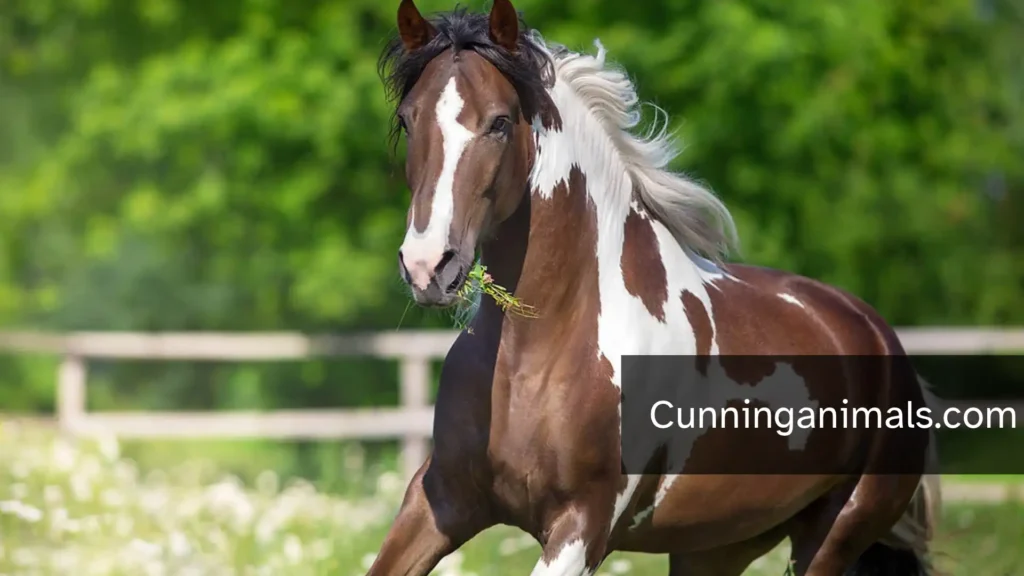
These majestic animals have played a pivotal role in human history, aiding in agriculture, transportation, and companionship. Their willingness to work alongside us showcases the beauty of collaboration and unity. Horses inspire us to dream big, encouraging us to run toward our aspirations with zeal and determination.
If horses fascinate you, there is a whole group of animals like horses worth discovering, including close relatives and look-alikes from around the world. Each one offers its own take on the strength and grace that make horses so beloved.
Cow
Scientific Name: Bos taurus
Class: Mammalia
Habitat: Pastures and farmlands across the globe
Cows are gentle creatures that offer us nourishment and companionship. Their calm demeanor and nurturing instincts provide important reminders of the value of patience and serenity in our lives. Observing these magnificent animals encourages us to slow down and appreciate the natural rhythms around us.
As vital members of the agricultural community, cows contribute significantly to sustaining human populations through their milk and meat. Their gentle nature fosters connections with farmers, promoting teamwork and shared purpose. Let us be inspired by the humble cow to nurture our relationships and support each other in our daily endeavors.
Rabbit
Scientific Name: Oryctolagus cuniculus
Class: Mammalia
Habitat: Meadows, forests, and agricultural lands
Rabbits are symbols of joy and abundance, often bringing a sense of playfulness into our lives. Their energetic hops and curious nature remind us of the beauty found in exploration and new experiences. That inquisitive streak isn’t unique to rabbits. Many species are driven to investigate new sights, sounds, and smells, and you can meet some of the most curious animals in our dedicated guide. It’s a fun way to see how curiosity shows up across the animal kingdom.

Known for their role in many cultures as symbols of fertility and rebirth, rabbits encourage us to embrace renewal and growth. Their ability to adapt to different environments showcases resilience, inspiring us to remain flexible in the face of change. Let their joyful spirit guide you toward embracing life’s opportunities with open arms.
Tiger
Scientific Name: Panthera tigris
Class: Mammalia
Habitat: Forests, grasslands, and wetlands across Asia
Tigers are magnificent creatures that evoke both awe and respect, standing as powerful symbols of strength and ferocity. With their stunning stripes and captivating presence, these big cats remind us of the beauty of individuality and the importance of embracing our unique qualities. Their existence inspires a deep connection to nature and a commitment to preserving wildlife.
As apex predators, tigers play a crucial role in maintaining balance in their ecosystems. Their solitary and stealthy nature illustrates the value of patience and focus. Unlike the social lion, the tiger prefers an independent life, patrolling and hunting its territory alone. Many other species share this lifestyle, and you can explore more solitary animals in the world in our full guide. It’s a good look at why going it alone works so well for some species.
Lion
Scientific Name: Panthera leo
Class: Mammalia
Habitat: Grasslands, savannas, and open woodlands in Africa and India
Lions are charismatic beings often referred to as the “kings of the jungle,” embodying courage and leadership. Their regal presence and strong social bonds reflect the importance of community and support in our own lives. Observing lions reminds us to embrace our strength while nurturing the connections that lift us up.

Beyond their majestic appearance, lions are also powerful symbols of family and unity. Their pride structure emphasizes teamwork and loyalty, inspiring us to foster collaboration in our personal and professional relationships. Lions are far from the only species that rely on group living to survive. Many other animals that live in groups depend on shared protection, cooperation, and strong social bonds. Comparing them shows how teamwork shapes life in the wild. Channeling the lion’s spirit can empower us to lead with integrity and serve those around us with love.
Goat
Scientific Name: Capra aegagrus hircus
Class: Mammalia
Habitat: Mountainous regions, grasslands, and farms worldwide
Goats are often seen as playful and curious animals, embodying a spirit of adventure and freedom. Their ability to thrive in rugged terrains showcases resilience and adaptability, encouraging us to embrace life’s challenges with optimism. Each encounter with a goat can inspire laughter and joy, reminding us of the importance of play in our lives.
Additionally, goats have been invaluable to humans throughout history, providing milk, meat, and companionship. Their social nature demonstrates the importance of community and connection. By learning from the goat’s spirited approach, we can cultivate a sense of joy and camaraderie in our own journeys.
Pig
Scientific Name: Sus scrofa domesticus
Class: Mammalia
Habitat: Farms and domestic settings worldwide
Pigs are intelligent animals, often surprising us with their capacity for learning and social interaction. Their playful antics and affectionate nature remind us about the joy found in relationships and nurturing connections. In many cultures, pigs symbolize abundance and prosperity, which serves as an uplifting reminder of the blessings in our lives.
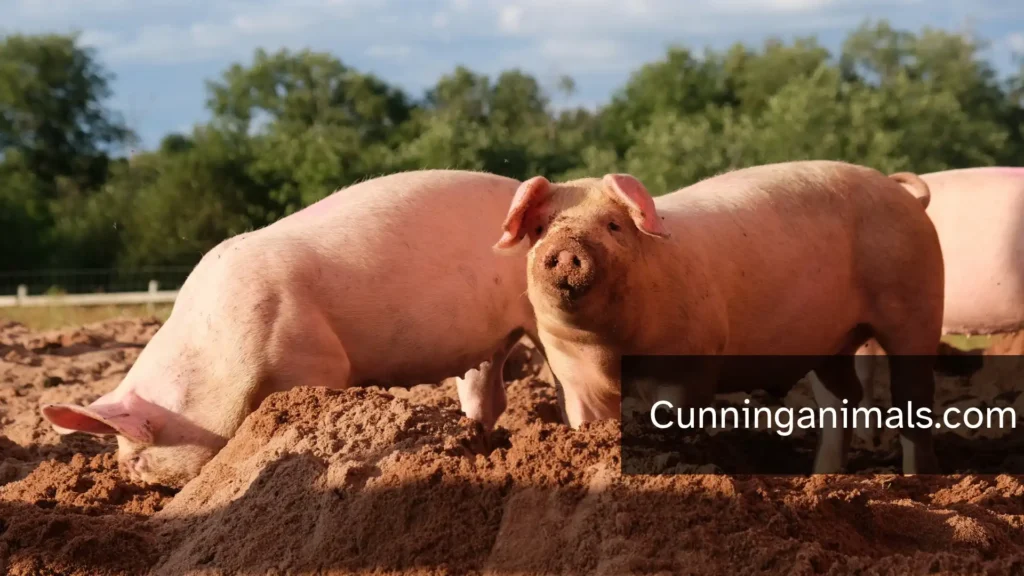
As highly adaptable creatures, pigs teach us the value of resourcefulness and versatility. Their playful personalities encourage us to find joy in the little moments and inspire a sense of gratitude for what we have. Embracing the pig’s cheerful spirit can lead us to foster genuine connections and cultivate a life filled with gratitude.
Sheep
Scientific Name: Ovis aries
Class: Mammalia
Habitat: Pastures and farmlands around the world
Sheep are gentle creatures often associated with comfort and tranquility, offering us a reminder of the beauty in simplicity. Their soft wool and calm demeanor create a sense of peace, encouraging us to nurture our own inner serenity. Encountering sheep can evoke feelings of community and belonging, making us appreciate the bonds we share.
In addition to their wool and meat, sheep symbolize security and guidance in various cultures. Their flock mentality emphasizes the importance of unity and collaboration, inspiring us to seek strength from our communities. Emulating the sheep’s peaceful nature can lead us to cultivate compassion and harmony in our lives.
Monkey
Scientific Name: Cercopithecidae
Class: Mammalia
Habitat: Tropical forests, savannas, and grasslands
Monkeys are playful and intelligent beings that exemplify curiosity and adaptability. Their lively antics and social structures remind us to embrace laughter and joy in our daily lives. Observing these dynamic creatures can inspire us to seek out fun experiences and fortify our connections with others.
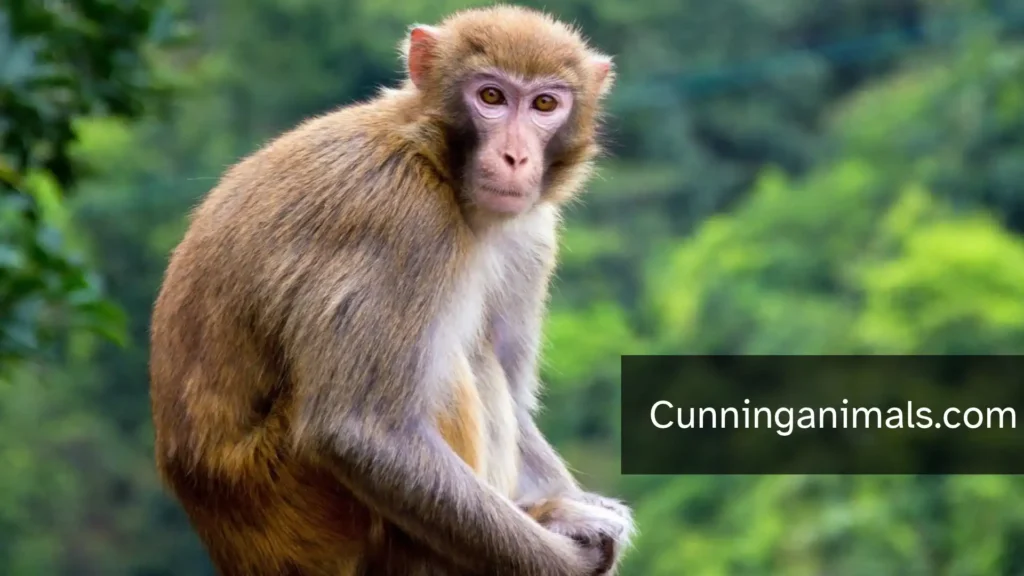
Social creatures by nature, monkeys thrive in groups, highlighting the importance of togetherness and cooperation. Their ability to communicate effectively reinforces the significance of expressing ourselves and understanding others. Embracing the monkey’s playful spirit can lead us to cultivate deeper bonds and foster a sense of community.
Guinea Pig
Scientific Name: Cavia porcellus
Class: Mammalia
Habitat: Domestic environments, often in homes as pets
Guinea pigs are charming little companions known for their gentle and affectionate nature. Their delightful squeaks and inquisitive behaviors bring joy to those who welcome them into their homes. The presence of a guinea pig can serve as a reminder of the simple joys in life and the warmth of companionship.
As social animals, guinea pigs thrive on interaction and connection, promoting the importance of nurturing relationships. Their playful spirit encourages us to express love openly and to appreciate the bonds we share with both pets and people. Embrace the lessons from a guinea pig to cultivate a loving and supportive environment.
Interesting Facts About Down Syndrome Animals
While true Down syndrome is a human-specific condition linked to chromosome 21, intriguing parallels exist in the animal kingdom. Various animal models, such as mice and monkeys, are crucial for advancing our understanding of the genetic mechanisms behind developmental abnormalities similar to those seen in humans.
- Some animal species have unique genetic conditions that are unrelated to Down syndrome.
- Both cats and dogs may exhibit traits that resemble Down syndrome, but these often have different underlying causes.
- Research on animal models can shed light on potential therapies for human developmental disorders.
- Veterinary testing can effectively diagnose genetic conditions, differentiating between true disorders and benign anomalies.
- Each animal species presents a unique genetic landscape, impacting how they experience growth and development.
Conclusion
The world of Down Syndrome Animals offers a remarkable lens through which we can celebrate diversity and resilience. From the playful antics of a dolphin with Down Syndrome to the endearing presence of a penguin with Down Syndrome, these animals remind us of the strength found in uniqueness.
Observing a Down Syndrome bird fluttering about evokes an appreciation for life’s wonders, not just in its normalcy but also in its deviations. Raising awareness about these conditions in animals enriches our understanding of their lives and needs.
FAQs
What Does Down Syndrome Look Like?
People with Down syndrome may have recognizable physical features, such as upward-slanting eyes, a flatter facial profile, a shorter neck, and low muscle tone. However, every person is unique, and their appearance can vary.
Can People With Down Syndrome Live A Normal Life?
Yes, people with Down syndrome can live meaningful, fulfilling lives, build friendships, attend school, work, and participate in their communities. With appropriate healthcare, education, and support, many can develop greater independence.
Do People With Down Syndrome Know They Are Different?
Some people with Down syndrome recognize that they learn or do certain things differently from others, while others may not think about it in the same way. Their understanding depends on their age, experiences, and individual development.
What Are The Causes Of Down Syndrome?
Down syndrome is caused by extra genetic material from chromosome 21, most commonly an extra copy of this chromosome. It usually occurs randomly during the formation of reproductive cells or early development and is not caused by anything a parent did or did not do.
Is Down Syndrome Because Of Sperm?
Down syndrome can result from a chromosome-related error in either the sperm or the egg, although it can also occur after fertilization during early embryo development. In most cases, it is a random event rather than something caused by a specific action or behavior of either parent.