Top 14 Animals That Live In Rivers (With Pictures & Facts)
Among the countless species on our planet, few captivate the imagination quite like the Animals That Live in Rivers. These river animals are not only visually stunning but also vital to the ecosystems they inhabit.
This article will take you on an engaging journey through 14 fascinating river-dwelling species, rich in stunning imagery and compelling facts. By learning about these animals, you will gain insight into the importance of preserving river ecosystems and the diverse life forms they support.
What Animals Live In Rivers?
Rivers are vibrant ecosystems teeming with diverse wildlife. Fish, such as trout and catfish, thrive in these waters, alongside captivating mammals like otters and beavers, which play essential roles in maintaining river health.
Invertebrates contribute to the river’s biodiversity, with creatures like crayfish and aquatic insects serving critical functions in the food web. The interplay between these animals showcases the intricate balance of river ecosystems.
14 Animals That Live In Rivers List
| Rank | Animal | Scientific Name | Class |
| 1 | Red-Eared Slider | Trachemys scripta elegans | Reptilia |
| 2 | American Alligator | Alligator mississippiensis | Reptilia |
| 3 | Blue Crab | Callinectes sapidus | Malacostraca |
| 4 | Freshwater Eel | Anguilla rostrata | Actinopterygii |
| 5 | Belted Crayfish | Faxonius harrisonii | Malacostraca |
| 6 | Blue Catfish | Ictalurus furcatus | Actinopterygii |
| 7 | North American River Otter | Lontra canadensis | Mammalia |
| 8 | Chain Pickerel | Esox niger | Actinopterygii |
| 9 | Brazos Water Snake | Nerodia harteri | Reptilia |
| 10 | River Frog | Lithobates heckscheri | Amphibia |
| 11 | Diving Bell Spider | Argyroneta aquatica | Arachnida |
| 12 | Pink River Dolphin | Inia geoffrensis | Mammalia |
| 13 | Hippopotamus | Hippopotamus amphibius | Mammalia |
| 14 | Platypus | Ornithorhynchus anatinus | Mammalia |
Red-Eared Slider
Scientific Name: Trachemys scripta elegans
Class: Reptilia
Diet: Omnivore
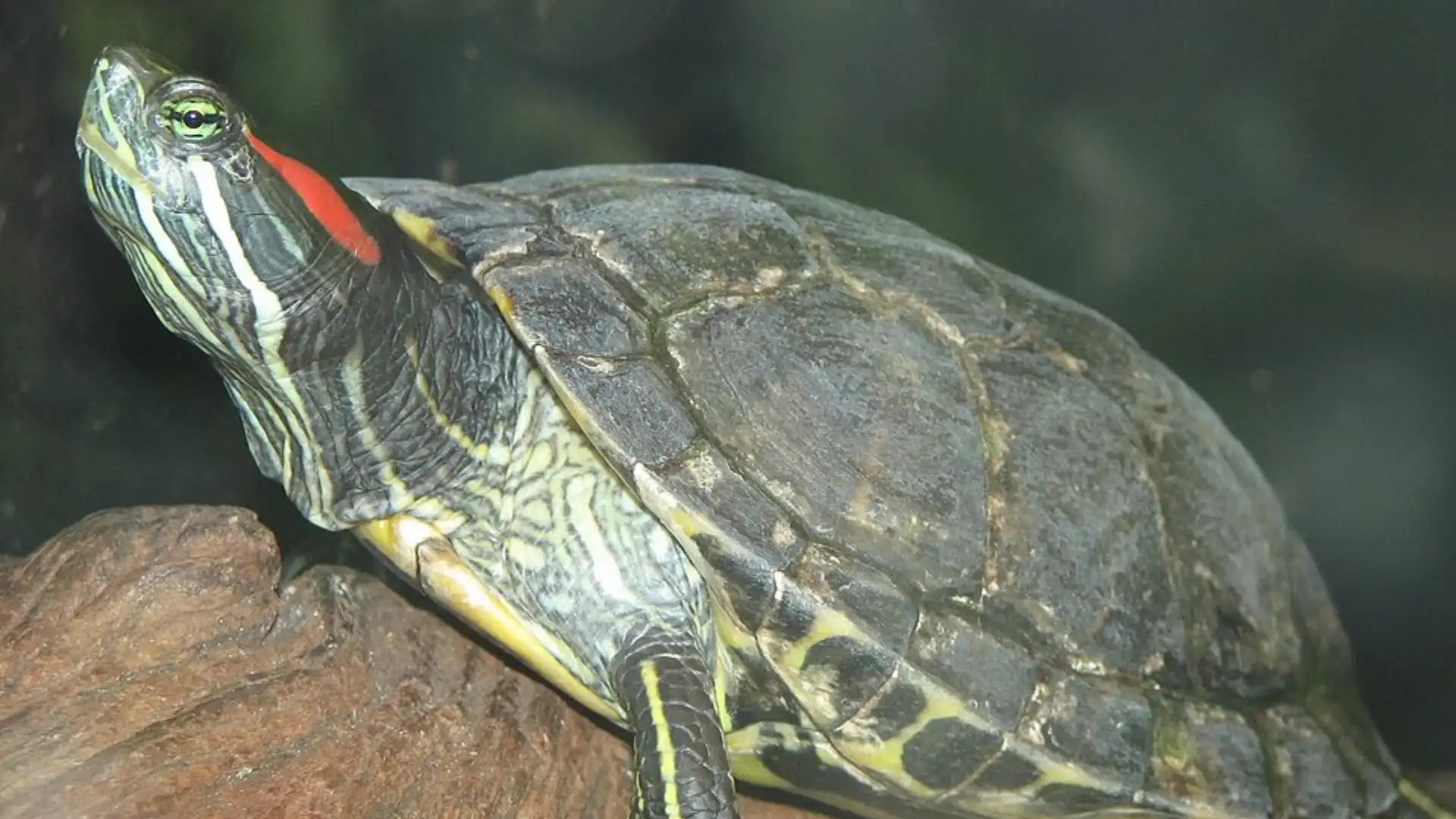
The Red-Eared Slider is a popular pet that thrives in freshwater environments, often basking on sunlit rocks or logs. With distinctive red markings behind their eyes, these turtles showcase an adaptive lifestyle, feeding on aquatic plants, insects, and small fish, making them essential players in their ecosystem.
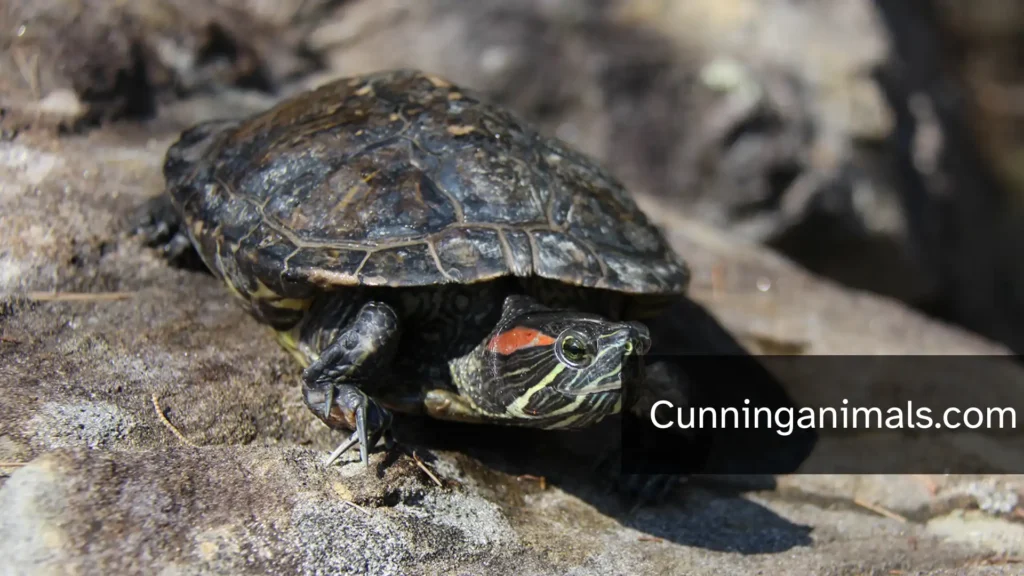
In rivers, they contribute to maintaining the balance of nutrients in water systems. Their habit of basking in the sun helps regulate their body temperature, making them highly efficient swimmers in both calm and flowing waters.
American Alligator
Scientific Name: Alligator mississippiensis
Class: Reptilia
Diet: Carnivore
American Alligators are apex predators in river ecosystems, utilizing their powerful jaws to catch fish, birds, and mammals. These formidable reptiles help control populations of other species, maintaining balance in their habitats, and play a vital role in nutrient cycling by creating alligator holes that serve as refuges for various aquatic life during droughts.
Typically found lurking near the water’s edge, they can often be seen basking on banks or floating with just their eyes above water. This adaptability allows them to thrive across a variety of freshwater environments, emphasizing their importance in river ecosystems.
Their ambush tactics and patient hunting style place alligators among nature’s most calculating predators. For more animals known for outsmarting prey and predators alike, check out these cunning animals from around the world.
Blue Crab
Scientific Name: Callinectes sapidus
Class: Malacostraca
Diet: Omnivore
Blue Crabs are not only a culinary delight but also a crucial component of river ecosystems. They scavenge on decaying matter and small aquatic organisms, helping to clean their habitats and supporting biodiversity.
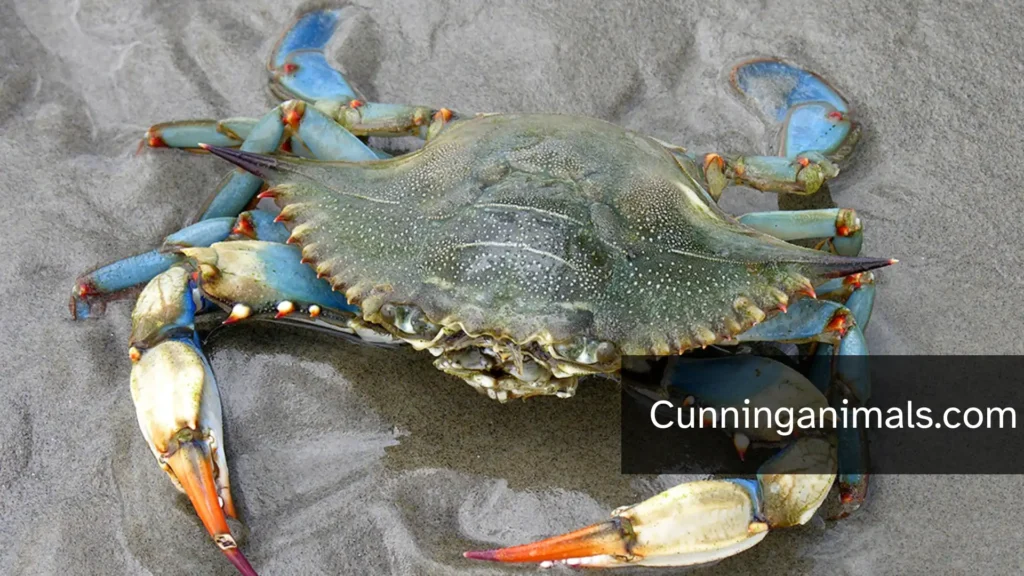
In the brackish waters of estuaries, these crustaceans play a significant role in nutrient cycling, making them an indicator species for environmental health. Their migratory patterns contribute to the dynamic food web, linking various marine and freshwater species.
Freshwater Eel
Scientific Name: Anguilla spp.
Class: Actinopterygii
Diet: Carnivore
Freshwater eels display a unique life cycle, migrating long distances between rivers and the ocean to spawn. After hatching in the Sargasso Sea, they journey back to freshwater rivers, where they spend most of their lives feeding on insects, crustaceans, and small fish, demonstrating impressive adaptability and resilience.
These creatures are uneasily observed, typically spending time hiding in riverbeds or under rocks. Their enigmatic nature adds a layer of mystery to rivers, reminding us of the intricate connections among aquatic life.
Belted Crayfish
Scientific Name: Faxonius immunis
Class: Malacostraca
Diet: Omnivore
Belted Crayfish are essential scavengers in river ecosystems, feeding on detritus, algae, and small organisms. By aerating the riverbed as they burrow, they improve water quality and support the growth of freshwater vegetation, vital for maintaining ecological balance.
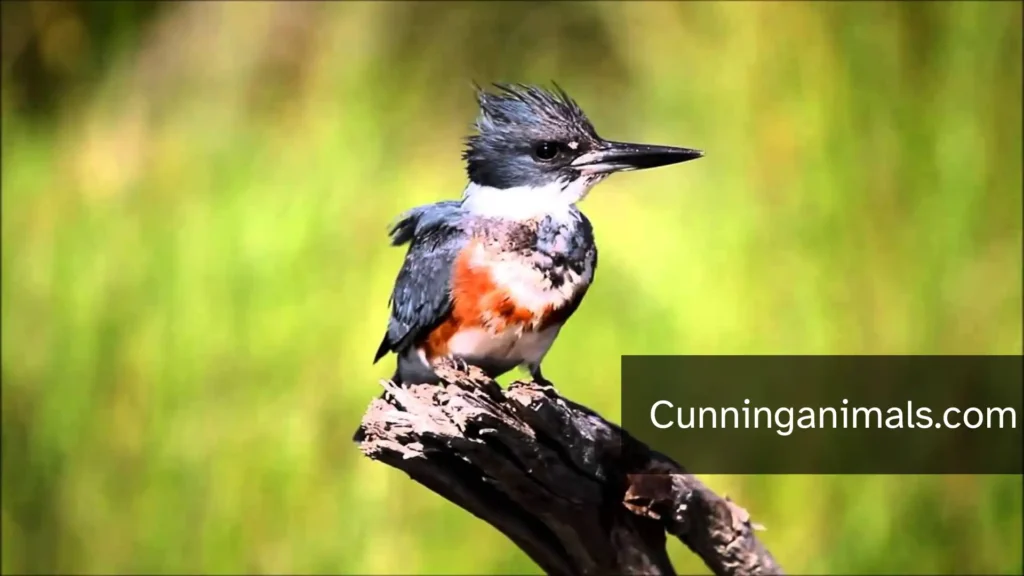
Often blending in with their rocky environments, these critters are unique in their ability to adapt to various habitats, from slow-flowing streams to fast-moving rivers. Their presence can indicate the health of aquatic systems, making them important subjects for ecological studies.
Blue Catfish
Scientific Name: Ictalurus furcatus
Class: Actinopterygii
Diet: Carnivore
Blue Catfish are among the largest freshwater fish in North America, known for their impressive size and voracious appetite. They primarily feed on fish, crustaceans, and other aquatic organisms, influencing the dynamics of river ecosystems as both predator and prey.
With their keen sense of smell and ability to detect vibrations, they are highly adapted to river habitats. These fish often prefer deep channels, but as they age, they can migrate to shallower areas, showcasing their adaptability to changing environments.
North American River Otter
Scientific Name: Lontra canadensis
Class: Mammalia
Diet: Carnivore
The North American River Otter is an agile and playful inhabitant of river systems, known for its exceptional swimming skills. Often seen sliding down riverbanks and engaging in social play, they consume a varied diet of fish, amphibians, and crustaceans, contributing to the ecological balance of their environments.
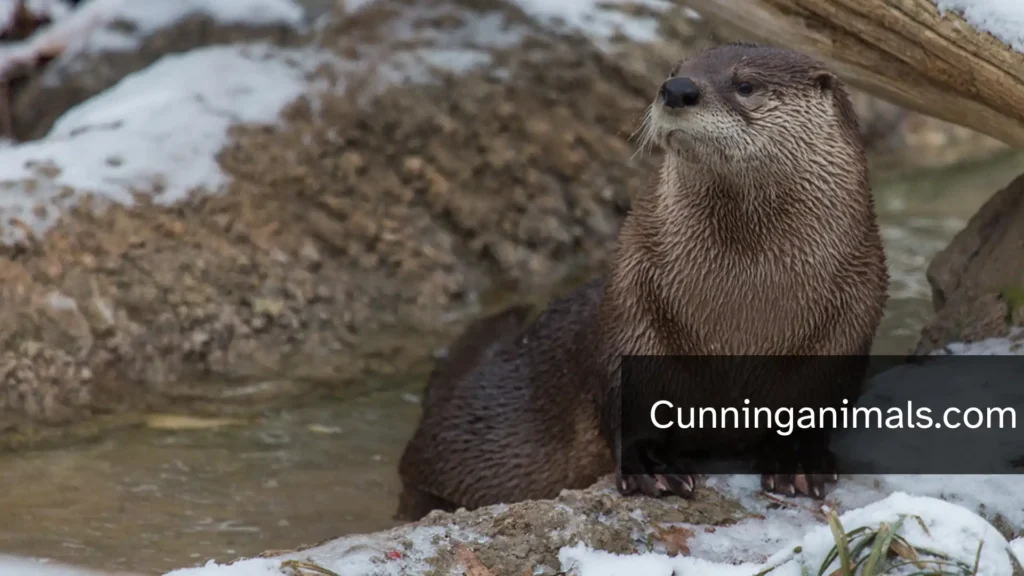
Their presence can indicate a healthy ecosystem, as they rely on clean water to thrive. Otters also aid in controlling fish populations, making them important in maintaining biodiversity within rivers.
Otters aren’t the only species that avoid unnecessary conflict to survive many river-dwelling animals rely on the same quiet, non-confrontational instincts. You can read more about these humble animals and how their calm behavior helps them thrive in the wild.
Chain Pickerel
Scientific Name: Esox niger
Class: Actinopterygii
Diet: Carnivore
Chain Pickerel are skilled ambush predators, known for their striking coloration and elongated bodies. Inhabiting slow-moving rivers and swamps, they prey on smaller fish and aquatic invertebrates, playing a critical role in controlling these populations and sustaining the food web.
Their unique swimming style and sharp teeth make them formidable hunters. They often hide among submerged vegetation, showcasing nature’s intricate adaptations in river ecosystems.
Brazos Water Snake
Scientific Name: Nerodia harteri
Class: Reptilia
Diet: Carnivore
The Brazos Water Snake is an agile swimmer found in freshwater rivers, where it primarily feeds on amphibians and fish. Its ability to camouflage among river vegetation helps it hunt effectively, demonstrating the importance of adaptation in river habitats.
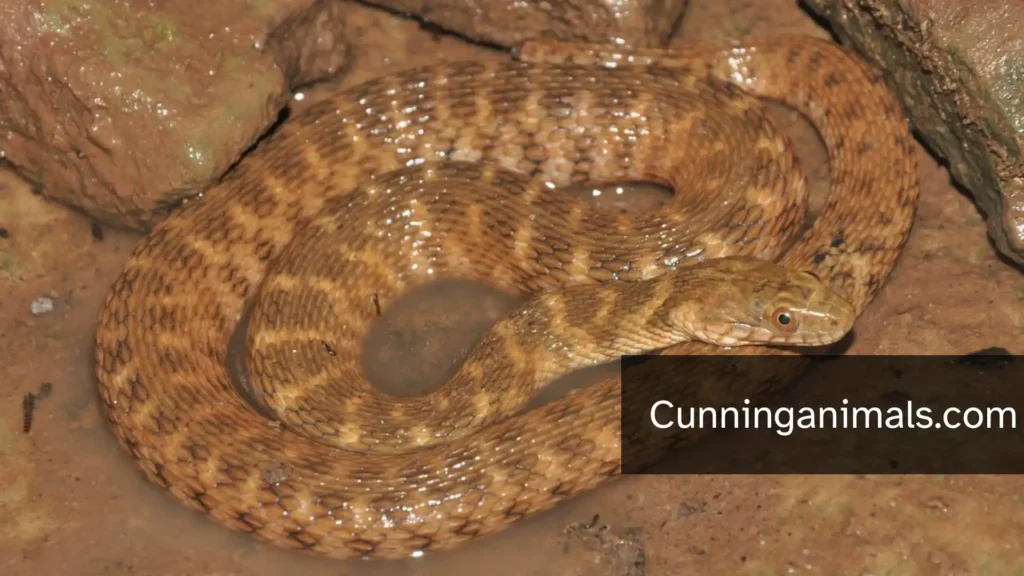
Though often mistaken for venomous snakes, these non-threatening creatures are essential for controlling populations of their prey, thereby maintaining the ecosystem’s balance and health.
River Frog
Scientific Name: Lithobates pipiens
Class: Amphibia
Diet: Carnivore
The River Frog is a versatile amphibian found in various aquatic environments, including rivers, where it preys primarily on insects and small invertebrates. Their calls, often heard during mating seasons, echo through river valleys, adding to the ambiance of these ecosystems.
Their presence signifies healthy waters, as they require clean environments to thrive. By controlling insect populations, River Frogs contribute to ecosystem balance, highlighting the interconnectedness within river systems.
Diving Bell Spider
Scientific Name: Argyroneta aquatica
Class: Arachnida
Diet: Carnivore
Unique among spiders, the Diving Bell Spider creates air-filled webs underwater, allowing it to hunt for small aquatic insects and tadpoles. This extraordinary adaptation not only showcases evolutionary creativity but also emphasizes the biodiversity that exists in river ecosystems.
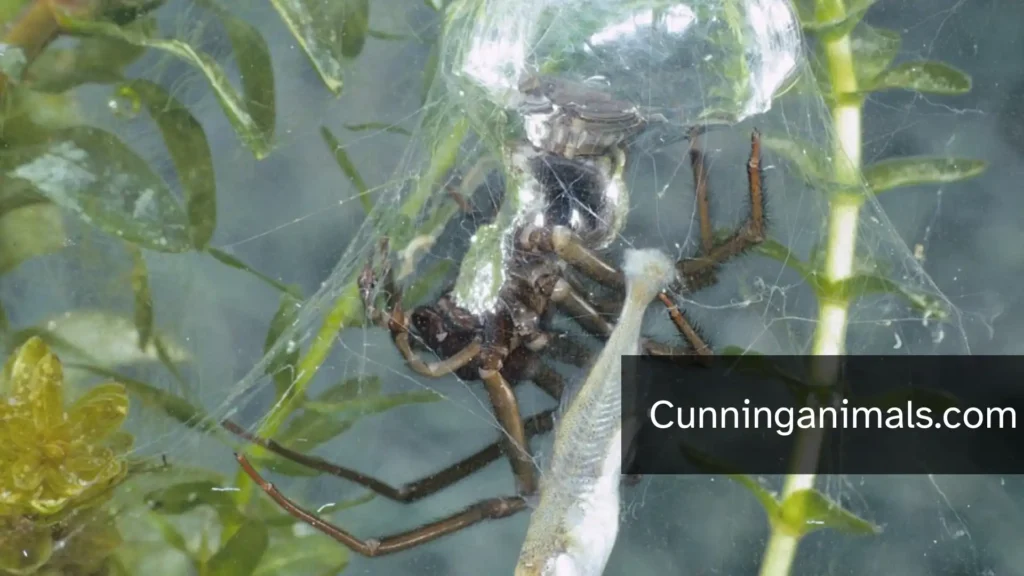
By preying on various aquatic organisms, these spiders help maintain the balance within their habitats. Their presence reflects the intricate webs of life that thrive beneath the water’s surface, often overlooked in river studies.
Pink River Dolphin
Scientific Name: Inia geoffrensis
Class: Mammalia
Diet: Carnivore
The Pink River Dolphin, or Boto, is a charming inhabitant of the Amazon River, renowned for its playful behavior and striking pink color. They primarily feed on fish, crustaceans, and even turtles, showcasing their adaptability to varying river conditions.
These dolphins often engage in cooperative hunting strategies, displaying advanced social behaviors. Their presence signifies a healthy river ecosystem, highlighting the need for conservation efforts to protect their habitats.
Hippopotamus
Scientific Name: Hippopotamus amphibius
Class: Mammalia
Diet: Herbivore
While often associated with rivers, Hippopotamuses are surprisingly agile in both water and land. These enormous mammals spend much of their day submerged, protecting their sensitive skin from the sun while enjoying a diet primarily comprised of grasses found close to riverbanks.
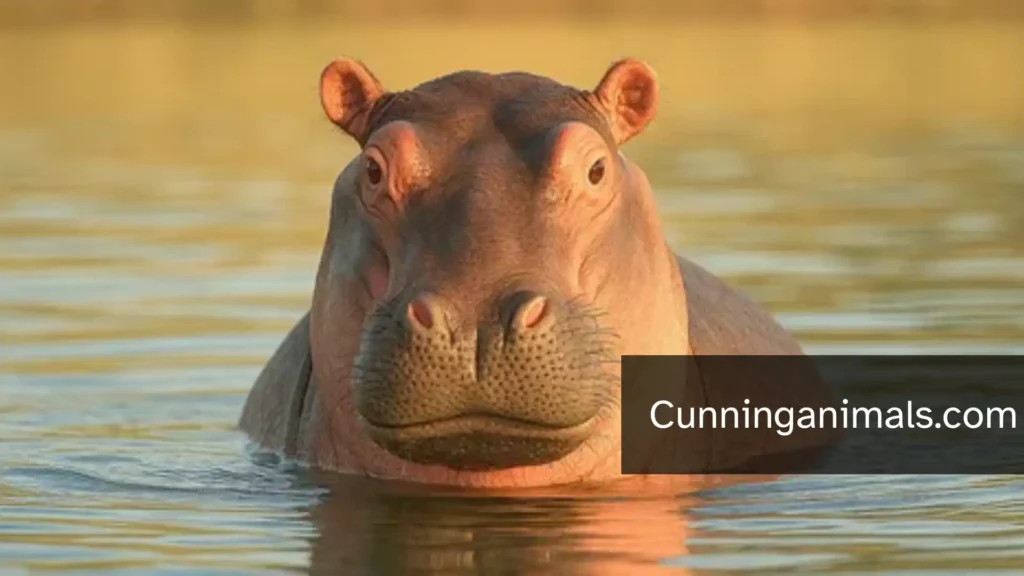
Their movements along riverbeds create pathways that benefit various aquatic species. As semiaquatic mammals, hippos play a crucial role in shaping riverine ecosystems, serving as vital ecological engineers.
Hippos are also famously territorial and set in their ways, rarely budging once they’ve claimed a stretch of river. If you’re curious about other animals known for their unyielding nature, take a look at these stubborn animals and what drives their behavior.
Platypus
Scientific Name: Ornithorhynchus anatinus
Class: Mammalia
Diet: Carnivore
The Platypus is one of nature’s most unique animals, with a distinct blend of mammal and bird features. Found in rivers across eastern Australia, they feed on aquatic invertebrates and small fish, using their sensitive bill to detect prey in murky waters.
This unusual creature’s role in river ecosystems includes aerating riverbeds and controlling populations of invertebrates. Its remarkable adaptations highlight the diversity of life that thrives in freshwater environments, emphasizing the need for conservation to protect these delicate habitats.
Amazing Facts About River Animals
River animals have developed fascinating adaptations that help them survive in fast-moving, shallow, or deep freshwater habitats. Here are some quick facts about these remarkable creatures.
- River otters can hold their breath underwater for several minutes.
- Pink river dolphins use echolocation to navigate muddy water.
- Freshwater eels can travel long distances between rivers and the ocean.
- Blue catfish can detect food using taste buds on their barbels.
- Alligators use their powerful tails to swim quickly through rivers.
- Diving bell spiders live underwater by trapping air bubbles in silk webs.
- Crayfish often hide under rocks during the day and become active at night.
- Some river turtles can stay underwater for long periods while resting.
Conclusion
The fascinating array of animals that live in rivers showcases the rich tapestry of life that exists beneath the water’s surface. Each species, from the agile catfish to the colorful kingfisher, contributes to the unique ecosystem and brings its own story to the river.
By learning about these river animals, we gain insight into the complex interdependencies that sustain their survival and our own. Many of these habitats are in jeopardy due to human activity.
FAQs
What Animals Live By The River?
Animals that live by rivers include river otters, frogs, turtles, beavers, snakes, and many birds. These animals often depend on rivers for water, food, shelter, and breeding.
What Kinds Of Animals Live In Rivers?
Rivers support many kinds of animals, including fish, turtles, frogs, snakes, crayfish, eels, and freshwater dolphins. Some, such as otters and turtles, spend time both in and around the water.
What Are The 10 Examples Of Water Animals?
Ten examples are freshwater eel, blue catfish, chain pickerel, river frog, freshwater turtle, alligator, crayfish, river otter, water snake, and pink river dolphin.
What Animal Stays In The River?
Many animals stay in rivers for most of their lives, including fish, eels, frogs, freshwater turtles, and pink river dolphins. Some species, such as river otters, regularly move between the river and nearby land.