
14 Sneaky Animals In The World (Clever Tricks & Survival Strategies)
The animal kingdom is full of surprises, but some creatures stand out for their extraordinary cunning and guile. In this exploration of the 14 sneaky animals in the world, we’ll uncover the clever tricks and survival strategies that help them thrive in their environments.
Understanding these animals not only fascinates wildlife enthusiasts but also offers insight into the complex interactions of ecosystems. By delving into their tactics, readers will gain a deeper appreciation for nature’s ingenuity and learn how these adaptations can inspire innovative thinking in our own lives.
What Makes an Animal Sneaky Or Cunning?
Sneaky animals in the world exhibit behaviors marked by stealth and cunning, often leveraging these traits for survival. This behavior encompasses not just the act of hiding or surprising their prey, but also involves complex strategies, such as misdirection and social manipulation, to outwit predators or competitors.
The distinction lies in the nuances of stealth, camouflage, intelligence, and deception. While stealth involves moving silently and unnoticed, camouflage allows animals to blend into their environment. Intelligence plays a role in assessing situations and developing strategies, while deception can involve misleading other animals, either prey or rivals.
List Of 14 Sneaky Animals In The World
| No. | Animal | Scientific Name | Main Sneaky Strategy |
| 1 | Octopus | Octopus spp. | Camouflage and escape |
| 2 | Cuttlefish | Sepia spp. | Rapid color and pattern changes |
| 3 | Fox | Vulpes vulpes | Stealth and opportunistic hunting |
| 4 | Raven and Crow | Corvus spp. | Problem-solving and social learning |
| 5 | Praying Mantis | Order Mantodea | Camouflage and ambush |
| 6 | Anglerfish | Order Lophiiformes | Luring prey with a specialized appendage |
| 7 | Leopard | Panthera pardus | Stealth and spotted camouflage |
| 8 | Opossum | Order Didelphimorphia | Defensive thanatosis, or playing dead |
| 9 | Bolas Spider | Mastophora spp. | Chemical mimicry and a sticky silk bolas |
| 10 | Archerfish | Toxotes spp. | Shooting water at prey |
| 11 | Cleaner-Fish Mimic | Aspidontus taeniatus | Mimicking a cleaner wrasse |
| 12 | Chimpanzee | Pan troglodytes | Social strategy and flexible problem-solving |
| 13 | Raccoon | Procyon lotor | Manipulating objects and exploiting opportunities |
| 14 | Coyote | Canis latrans | Adaptable hunting and opportunistic feeding |
Octopus
Scientific Name: Octopoda
Class: Cephalopoda
Diet: Carnivore
The octopus is renowned for its incredible intelligence and unmatched camouflage abilities. These cephalopods can change their color and texture to blend into their surroundings, turning them into true masters of disguise in underwater habitats.
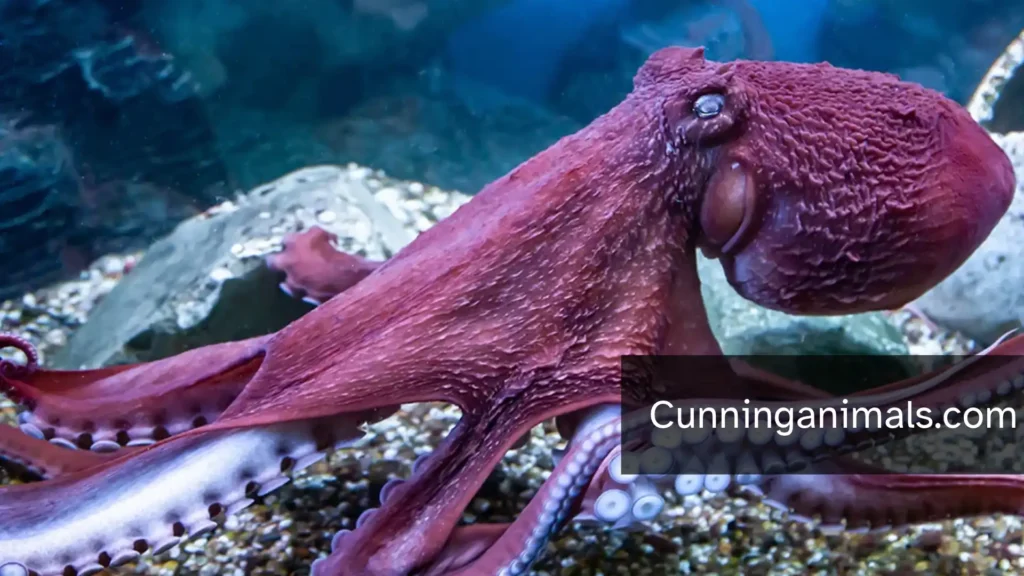
Additionally, their dexterous arms help them escape predators and navigate complex environments, making them one of the sneakier animals in the world. With their ability to squeeze through tiny spaces, octopuses can easily flee from danger or set up stealthy ambushes for unsuspecting prey.
Cuttlefish
Scientific Name: Sepiida
Class: Cephalopoda
Diet: Carnivore
Cuttlefish showcase extraordinary control over their skin, displaying vibrant colors and patterns to captivate mates or deceive predators. This ability not only aids in communication but also allows them to remain undetected while lurking for prey beneath the waves.
Moreover, these cunning creatures can shoot jets of water to evade capture, adding another layer to their sneakiness. Their remarkable depth of perception gives them an edge in stalking other marine life, solidifying their status among the sneaky animals in the world.
Fox
Scientific Name: Vulpes vulpes
Class: Mammalia
Diet: Omnivore
The red fox is a clever and adaptable hunter, known for its quick wit and agility. It employs cunning behavior and stealth to navigate its environment, making it an efficient predator of small mammals and birds. Their hunting style is shared by many animals like foxes, which rely on quiet approaches and sudden pounces.

Foxes often use their bushy tails for balance while making agile leaps and sudden turns to evade detection. Their resourcefulness in urban settings further cements them as one of the more adaptable and sneaky animals in the world, cleverly scavenging for food where humans roam.
Raven And Crow
Scientific Name: Corvus corax (Raven) / Corvus brachyrhynchos (Crow)
Class: Aves
Diet: Omnivore
Ravens and crows are not just intelligent; they are also remarkably crafty. Their ability to use tools and solve complex problems showcases their cunning nature, and they often outsmart other animals to scavenge food.
These birds have a finely tuned sense of social hierarchy and often engage in mischievous behaviors to distract potential threats. This playful trickery puts them high on the list of mischievous animals in the world, where clever tricks are often part of daily life. Their adaptability and resourcefulness make them some of the sneakiest animals in the world, thriving in diverse environments from rural fields to bustling cities.
Praying Mantis
Scientific Name: Mantodea
Class: Insecta
Diet: Carnivore
The praying mantis is a master of ambush, lying in wait for unsuspecting prey. Their unique triangular heads and ability to remain completely still allow them to blend seamlessly into their surroundings until the perfect moment strikes. Such stillness takes remarkable discipline, which is why mantises are often counted among the most patient animals in the world.
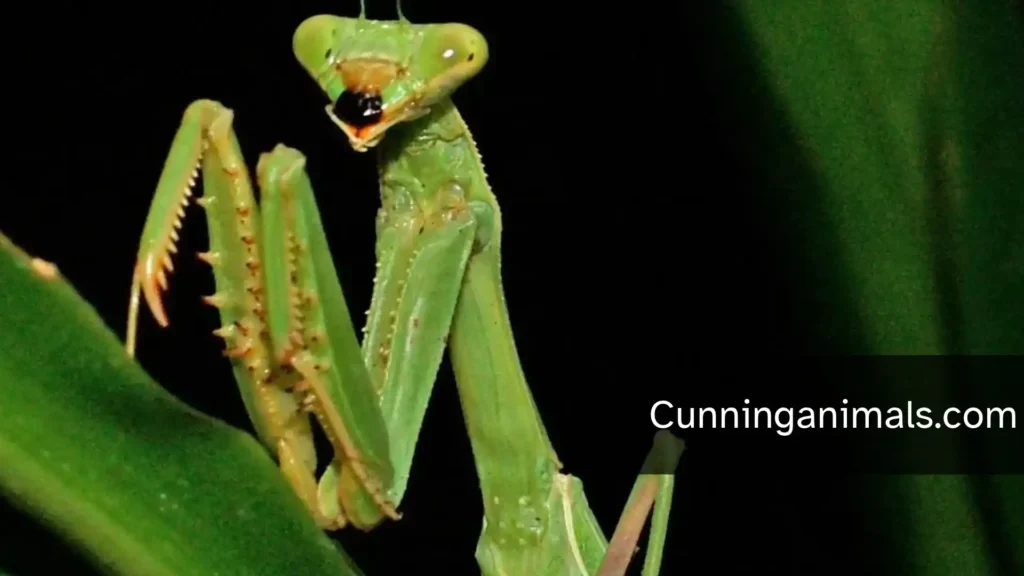
What’s remarkable is their lightning-fast strike, catching prey off guard in a flash. This stealthy hunting method makes the praying mantis one of the most iconic sneaky animals in the world, showcasing nature’s prowess in predator-prey dynamics.
Anglerfish
Scientific Name: Lophiiformes
Class: Actinopterygii
Diet: Carnivore
Deep within the ocean’s depths, the anglerfish employs a bioluminescent lure to attract its prey. This evolutionary adaptation helps it blend into the dark, foreboding waters while enticing unsuspecting fish with a tantalizing light.
Once the prey approaches, the anglerfish’s swift strike is almost imperceptible, illustrating their cunning hunting strategies. With such a remarkable method of deception, anglerfish truly embody the essence of sneaky animals in the world.
Leopard
Scientific Name: Panthera pardus
Class: Mammalia
Diet: Carnivore
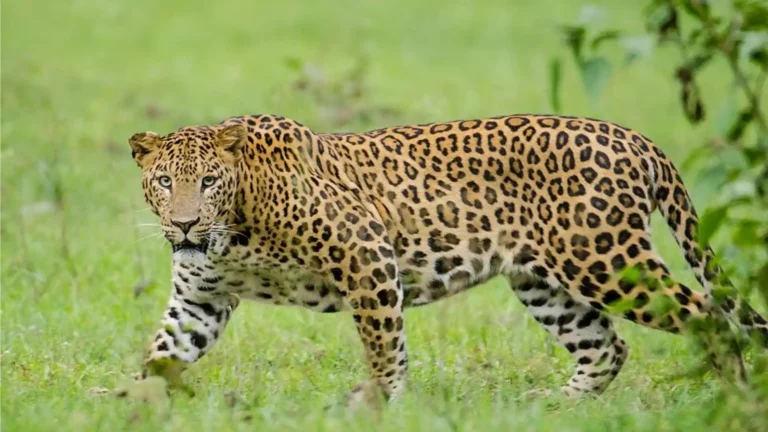
Leopards are superb stalkers, often using their spotted coats as effective camouflage in dense foliage. They exhibit stealth and patience, waiting for the opportune moment to pounce on their unsuspecting prey.

Additionally, their ability to drag kills up into trees showcases their cunning as they hide food from scavengers. Their stealth makes them effective hunters of many species, and they are even among the animals that eat monkeys in forest habitats. This combination of stealth and strength firmly positions leopards among the most sneaky animals in the world.
Opossum
Scientific Name: Didelphis virginiana
Class: Mammalia
Diet: Omnivore
The opossum’s famous “playing dead” behavior is a fascinating survival tactic that helps it evade predators. When threatened, this marsupial can fall into a catatonic state, appearing lifeless until danger has passed.
Furthermore, their nocturnal habits allow them to forage for food under the cover of darkness. This dual strategy of deception and stealth makes the opossum one of the most intriguing sneaky animals in the world.
Bolas Spider
Scientific Name: Mastigias sp.
Class: Arachnida
Diet: Carnivore
The bolas spider is a cunning predator that uses a unique hunting technique involving a silk thread and a sticky “bola” to capture moths. Instead of weaving a traditional web, this spider employs a clever strategy that mimics the pheromones released by female moths.
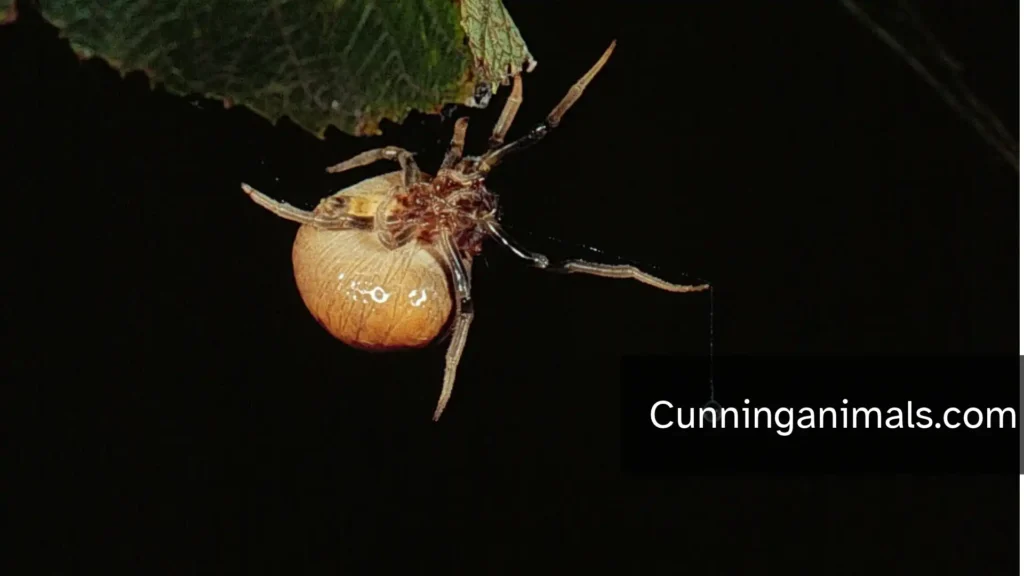
When a male moth approaches, thinking it’s a mate, the bolas spider strikes with precision, illustrating its stealth. This singular approach to hunting places it among the most strategic and sneaky animals in the world.
Archerfish
Scientific Name: Toxotes
Class: Actinopterygii
Diet: Carnivore
The archerfish is a remarkable hunter, capable of accurately shooting jets of water to knock insects off branches above the water’s surface. It carefully calculates the angle of the shot, demonstrating both precision and strategy in its feeding method.
This unique predatory tactic makes it quite sneaky, as the fish can remain submerged and hidden while launching its attack. Archerfish showcase how adaptation can create intriguing hunting mechanics, characterizing them as some of the sneaky animals in the world.
Cleaner-Fish Mimic
Scientific Name: Mimicry species
Class: Actinopterygii
Diet: Carnivore
Cleaner-fish mimics deceive larger fish by masquerading as cleaner fish themselves. They take advantage of cleaning stations, where host fish come to get parasites removed, only to bite instead.
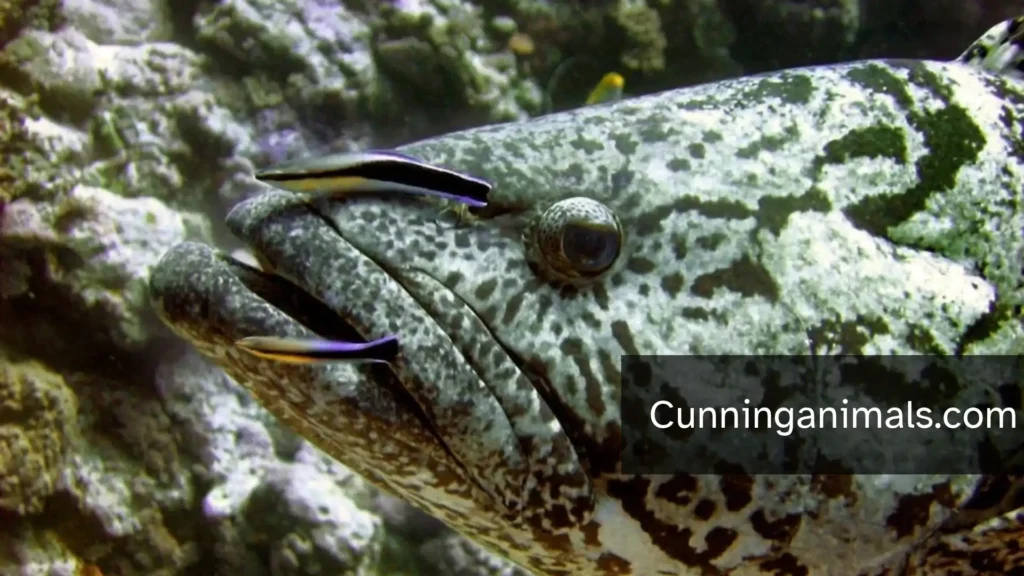
This mimicry allows cleaner-fish mimics to enjoy a plentiful food source while avoiding the danger of competing hunters. Such cunning mimicry elevates them to the ranks of some of the sneakiest animals in the world.
Chimpanzee
Scientific Name: Pan troglodytes
Class: Mammalia
Diet: Omnivore
Chimpanzees exhibit remarkable intelligence and social behavior, often displaying sneakiness in their interactions with one another. They can plan elaborate strategies for hunting and often engage in deceptive tactics to outsmart rivals or steal food.
In addition, sibling chimps have been observed collaborating to distract or confuse adult chimpanzees while snatching food from them. This unique blend of social learning and resourcefulness positions chimpanzees among the cleverest and sneakiest animals in the world.
Raccoon
Scientific Name: Procyon lotor
Class: Mammalia
Diet: Omnivore
Raccoons are notorious for their dexterous paws and cunning behavior. Often dubbed as nature’s bandits, they can open containers and scavenge through garbage with remarkable agility, showcasing their human-like dexterity.

These nocturnal creatures use their intelligence to outsmart traps and find food in urban environments, highlighting their adaptability. Their constant poking, prying, and testing of new objects make them one of the most curious animals found near human homes. Raccoons stand out as some of the sneakiest animals in the world, blending mischief with resourcefulness in their nightly escapades.
Coyote
Scientific Name: Canis latrans
Class: Mammalia
Diet: Omnivore
Coyotes are skilled hunters known for their exceptional adaptability and intelligence. They often employ pack tactics and clever strategies to outmaneuver prey, making them formidable predators in various habitats.
Additionally, their ability to thrive in both rural and urban landscapes demonstrates their cunning nature as they scavenge and hunt opportunistically. This flexible feeding habit also places them among the scavenger animals in the world, cleaning up carrion as readily as they hunt. This versatility and creativity grant coyotes a well-deserved reputation as one of the sneakiest animals in the world.
Amazing Facts About Sneaky Animals
The world of sneaky animals is a testament to nature’s ingenuity. Each species has its unique survival strategy, often highlighting a blend of intelligence and evolution that keeps them ahead of threats
- Octopuses can change their skin appearance to blend into their surroundings, mastering the art of camouflage.
- Cuttlefish utilize rapid color and pattern changes, allowing them to communicate and confuse predators or prey.
- Some ravens and crows adjust their behavior when competitors are watching, illustrating their intelligence in social dynamics.
- Praying mantises can remain perfectly still for extended periods, an effective strategy for ambushing unsuspecting prey.
- Certain anglerfish use a specialized lure to attract food, disguising their hunting technique as a simple light.
- Opossums may respond to threats by entering a playing-dead state, a remarkable survival tactic against predators.
- Specific bolas spiders employ chemical mimicry to attract moths, effectively using scents to lure their dinner.
- Archerfish are skilled marksmen, using targeted jets of water to knock insects off branches and into the water.
- Raccoons have been observed manipulating objects to access food, showcasing their problem-solving abilities.
- Coyotes demonstrate remarkable adaptability by modifying their diets and hunting strategies according to local conditions.
Conclusion
The journey into the lives of the Sneaky Animals in the World reveals how evolution has shaped their cunning behaviors and survival tactics. Each species, with its unique strategies, teaches us about the fascinating interplay between predator and prey in the animal kingdom.
By understanding these clever adaptations, we not only deepen our knowledge of wildlife but also foster a greater respect for the natural world. As you reflect on the various tricks employed by these animals, consider how much remains to be learned about their ecosystems.
FAQs
What Is An Animal That Is Sneaky?
The fox is one of the best-known sneaky animals. It uses stealth, quick thinking, and opportunistic hunting to catch prey and find food, even in cities. Other sneaky animals in the world include the octopus, praying mantis, and leopard, which rely on camouflage and ambush tactics.
What Animals Are Known As Tricksters?
Foxes, ravens, crows, coyotes, and raccoons are the animals most often called tricksters. They solve problems, copy or mislead other animals, and take advantage of opportunities. In folklore, the coyote and the fox are classic trickster figures because of their cleverness and adaptability.
What Animals Represent Sneakiness?
What Are The Most Cunning Animals?
Octopuses, ravens, crows, chimpanzees, and foxes are among the most cunning animals. Octopuses escape tight spaces and camouflage themselves, ravens and crows use tools to solve problems, and chimpanzees plan strategies to outsmart rivals. Their intelligence and adaptability make them standout sneaky animals in the world.