14 Slow Animals In The World: Slowest Creatures With Pictures & Facts
Slow animals may not capture the same attention as their faster counterparts, but their unique adaptations offer intriguing insights into the wonder of nature. The slowest animals in the world have developed methods that maximize their survival, utilizing slow movement for energy conservation, stealth, and effective feeding strategies.
This article presents 14 slow-moving animals, complete with stunning photographs and essential facts, guiding you through their serene yet vital roles in the environment. Let’s uncover the beauty and importance of these extraordinary creatures.
What Is The Slowest Animal In The World?
The slowest animal in the world is often considered to be the three-toed sloth, with a maximum speed of just 0.03 miles per hour. However, when evaluating other slow-moving creatures, such as the sea sponge or the garden snail, perspectives on slowness can shift dramatically.
Different habitats introduce varied locomotion styles. In aquatic environments, for instance, certain jellyfish move so slowly that they can be considered contenders for the title. Likewise, when examining land-based movement, the sluggish nature of specific snail species may challenge the dominion of the sloth, highlighting how context is key in measuring the slowest animal in the world.
Top 14 Slow Animals In The World
| Rank | Animal | Scientific Name | Class |
| 1 | Three-Toed Sloth | Bradypus spp. | Mammalia |
| 2 | Garden Snail | Cornu aspersum | Gastropoda |
| 3 | Giant Tortoise | Chelonoidis spp. | Reptilia |
| 4 | Banana Slug | Ariolimax spp. | Gastropoda |
| 5 | Slow Loris | Nycticebus spp. | Mammalia |
| 6 | Sea Anemone | Actiniaria | Anthozoa |
| 7 | Manatee | Trichechus spp. | Mammalia |
| 8 | Koala | Phascolarctos cinereus | Mammalia |
| 9 | Seahorse | Hippocampus spp. | Actinopterygii |
| 10 | Gila Monster | Heloderma suspectum | Reptilia |
| 11 | Galápagos Penguin | Spheniscus mendiculus | Aves |
| 12 | Greenland Shark | Somniosus microcephalus | Chondrichthyes |
| 13 | Starfish | Asteroidea | Asteroidea |
| 14 | Sea Cucumber | Holothuroidea | Holothuroidea |
Three-Toed Sloth
Scientific Name: Bradypus
Class: Mammalia
Diet: Herbivore
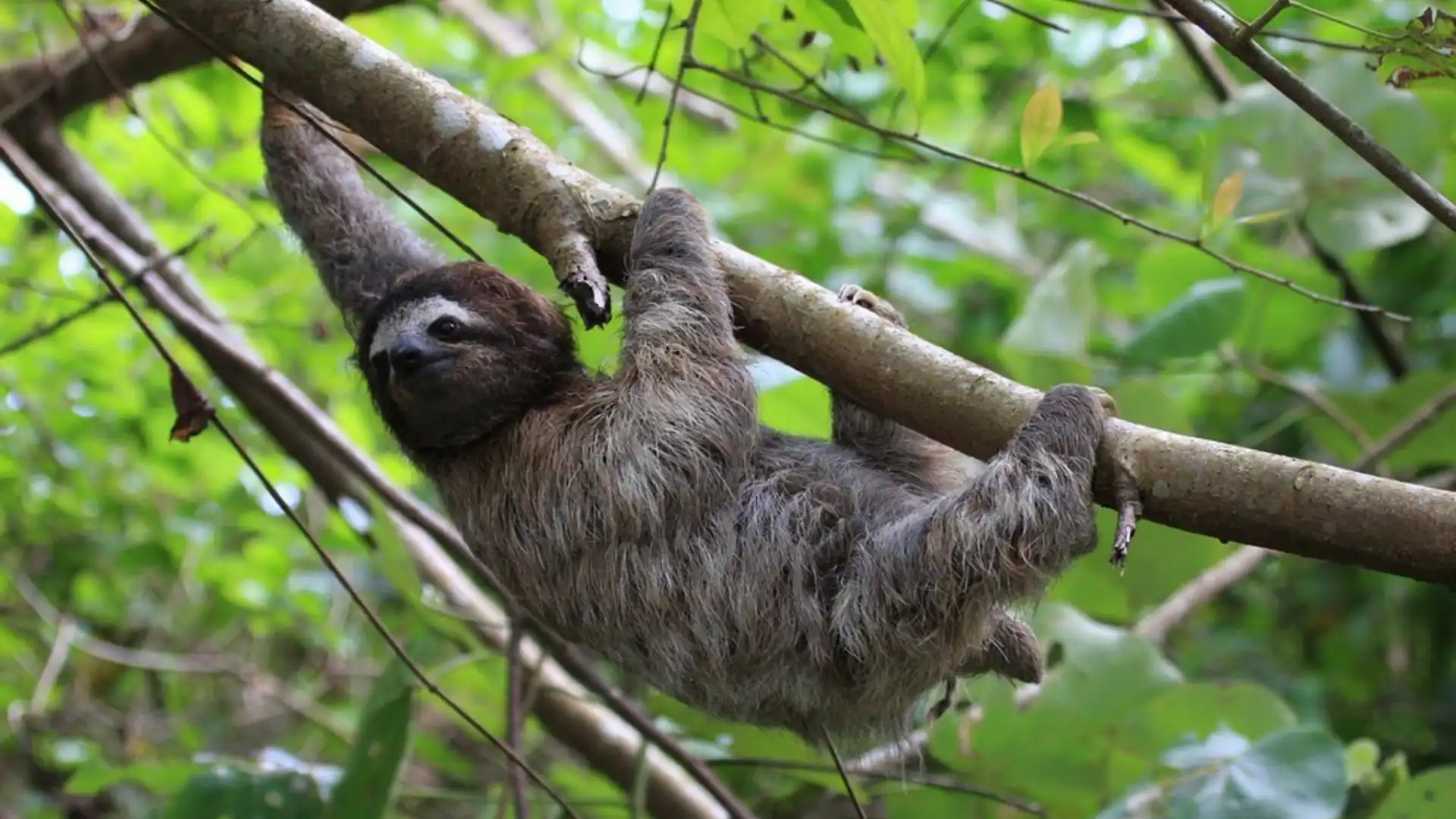
The three-toed sloth, often referred to as the slowest animal in the world, moves at a leisurely pace of just 0.03 miles per hour. This sluggish demeanor isn’t just for show; it helps them conserve energy and blend in with their forest surroundings. Their diet primarily consists of leaves, which are difficult to digest, further emphasizing their slow lifestyle.
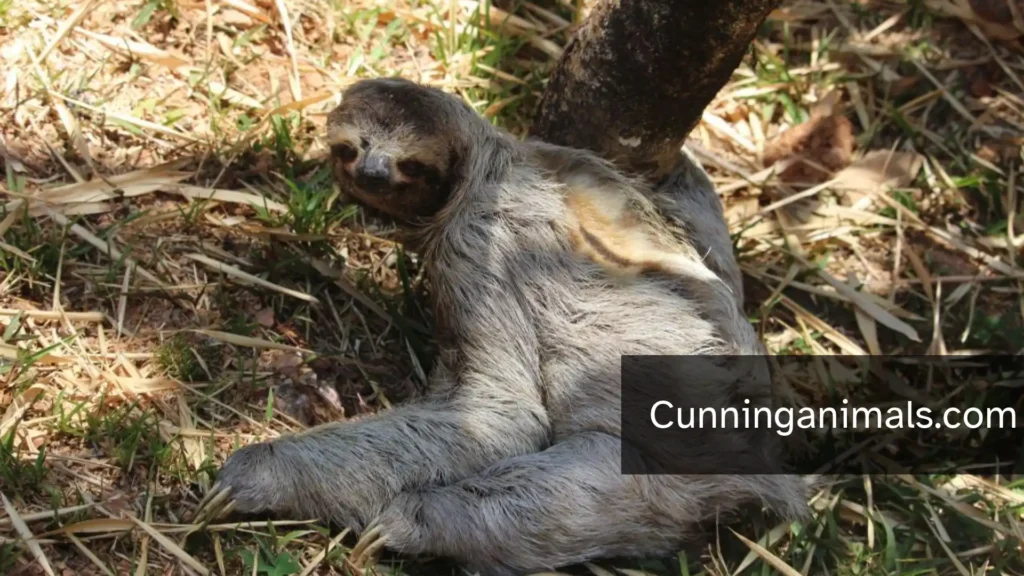
Sloths possess a unique metabolic rate that allows them to thrive in the canopy of tropical rainforests. With a strong adaptation to their environment, they can spend up to 20 hours a day sleeping and can even hold their breath underwater for up to 40 minutes when they feel threatened.
Garden Snail
Scientific Name: Cornu aspersum
Class: Gastropoda
Diet: Herbivore
Garden snails glide along at a pace of around 0.03 miles per hour, making them one of the slowest animals on land. Their slimy mucus trails not only aid in locomotion but also protect their delicate bodies from harsh environmental conditions. These snails primarily feast on plants and decaying organic matter, playing a vital role in the ecosystem.
Interestingly, snails have the ability to enter a state called estivation, allowing them to survive adverse weather conditions by retreating into their shells until conditions improve. This adaptive trait ensures their survival in aquatic and terrestrial environments alike.
Giant Tortoise
Scientific Name: Chelonoidis nigra
Class: Reptilia
Diet: Herbivore
The giant tortoise is a marvel of longevity and lethargy, often seen lumbering along at a pace of just 0.2 miles per hour. Known for their significant lifespan, some individuals can live over 100 years, slowly traversing their native islands with grace. Their diet consists mainly of grasses and leafy greens, harvested with surprising strength given their bulk. Their shelled cousins share a similar unhurried approach to life. If you’ve ever wondered whether these reptiles can scale obstacles despite their slow pace, can turtles climb?
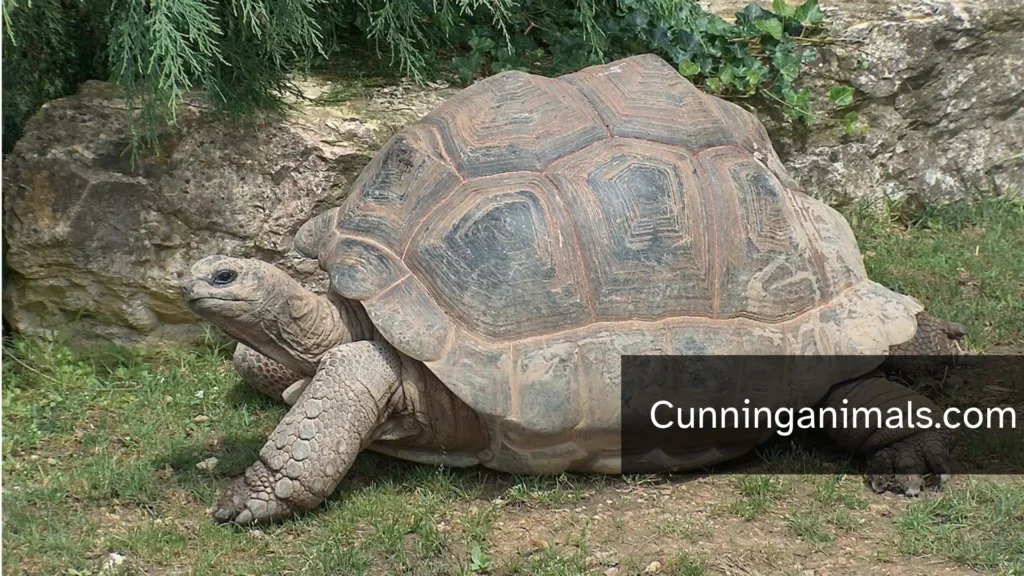
Because of their slow movement, giant tortoises have developed a unique lifestyle, prioritizing energy conservation and becoming well-adapted to their often nutrient-scarce environments. Their presence also aids in seed dispersal, contributing to the richness of their habitats.
Banana Slug
Scientific Name: Ariolimax dolichophallus
Class: Gastropoda
Diet: Herbivore
Banana slugs, famous for their vibrant yellow hue, crawl at a leisurely 0.03 miles per hour, earning them a spot among the slow animals of the world. Common in Pacific Northwest forests, these slugs feast on decomposing plant matter, playing a critical role in nutrient recycling within their ecosystems.
Their soft bodies are vulnerable to desiccation, which makes the damp, mossy environments where they thrive essential to their survival. Notably, they can regrow their lost tentacles, showcasing remarkable regenerative abilities that complement their gentle lifestyle.
Slow Loris
Scientific Name: Nycticebus
Class: Mammalia
Diet: Omnivore
The slow loris moves with deliberate caution, making it one of the slowest primates, at about 2 miles per hour. Native to Southeast Asia, these nocturnal creatures derive their name from their unhurried movements that help them remain undetected by predators. Their diet consists of fruits, insects, and even small vertebrates, which they consume with an extraordinary efficiency.
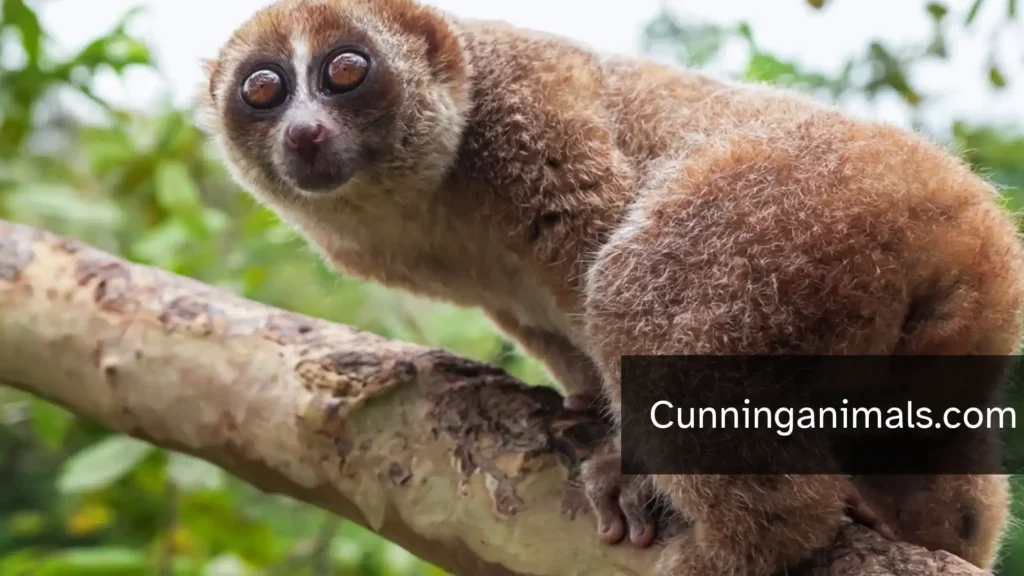
Slow lorises possess a unique venomous bite, derived from their forearm secretions. This fascinating adaptation not only serves as a defense mechanism but also adds an intriguing twist to their otherwise gentle demeanor in the wild.
Sea Anemone
Scientific Name: Actiniaria
Class: Anthozoa
Diet: Carnivore
Sea anemones may not seem slow at first glance, but their rooted position on the ocean floor makes them some of the slowest creatures in the aquatic world. These fascinating animals capture prey with their tentacles, which move imperceptibly to ensnare unsuspecting fish and plankton drifting by.
While they can move slowly through retracting and extending their base, most movement is confined to their location. The vibrant colors of sea anemones attract visitors while providing essential habitats for clownfish, showcasing a symbiotic relationship that thrives in the ocean’s depths.
Manatee
Scientific Name: Trichechus
Class: Mammalia
Diet: Herbivore
Often affectionately called “sea cows,” manatees glide gracefully through warm coastal waters at speeds of 3-5 miles per hour. These gentle giants feed primarily on submerged grasses, benefiting aquatic ecosystems through their grazing.
Their slow, serene movements make them a joy to observe, often seen lounging near the water’s surface. Manatees aren’t limited to coastal waters either many populations spend significant time in freshwater systems, particularly in Florida. For a broader look at which species share this habitat, check out animals that live in rivers.
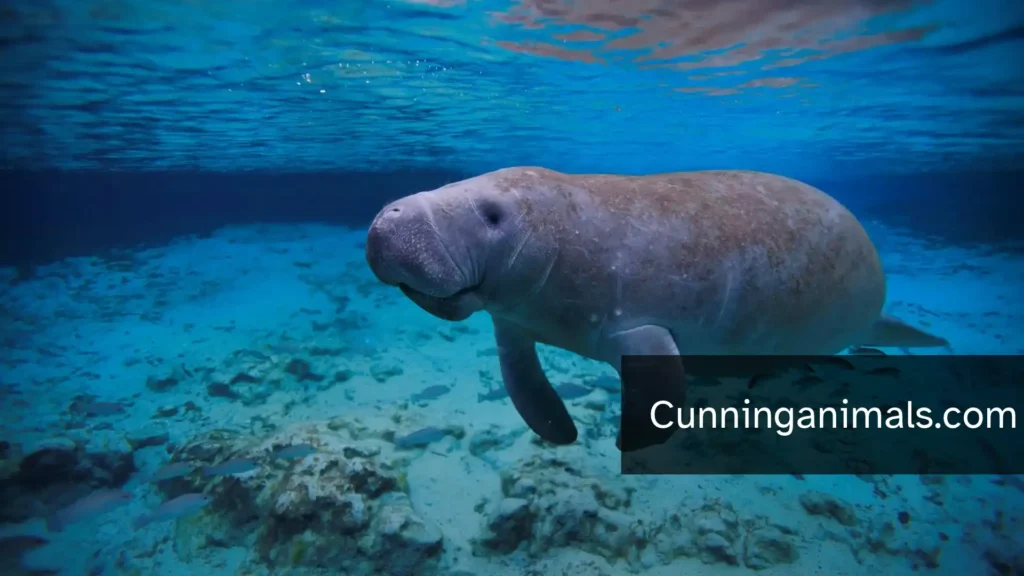
Despite their unhurried nature, manatees face threats from boat strikes and habitat loss, prompting conservation efforts across their habitats. Understanding their slow-paced lifestyle emphasizes the importance of protecting these peaceful marine mammals.
Koala
Scientific Name: Phascolarctos cinereus
Class: Mammalia
Diet: Herbivore
Koalas are known for their slow-moving, tree-hugging lifestyle, spending most of their day perched in eucalyptus trees. By moving at a leisurely pace, they conserve energy, as their unique diet requires extensive digestion. These marsupials typically eat just a few species of eucalyptus leaves, which are low in nutrition. This unassuming, low-key existence is echoed by several other species that prioritize modesty over dominance in the wild. You can explore more of these low-key creatures in animals that are humble.
With up to 20 hours of sleep each day, koalas have developed a tranquil rhythm to their lives, prioritizing rest and food intake. Their slow but deliberate movements are integral to their survival, offering insights into their specialized adaptations.
Seahorse
Scientific Name: Hippocampus
Class: Actinopterygii
Diet: Carnivore
Seahorses are fascinating, albeit slow-moving creatures that navigate their underwater world at about 0.01 miles per hour. Equipped with a unique prehensile tail, they can anchor themselves to underwater structures, avoiding strong currents while they hunt for tiny crustaceans.
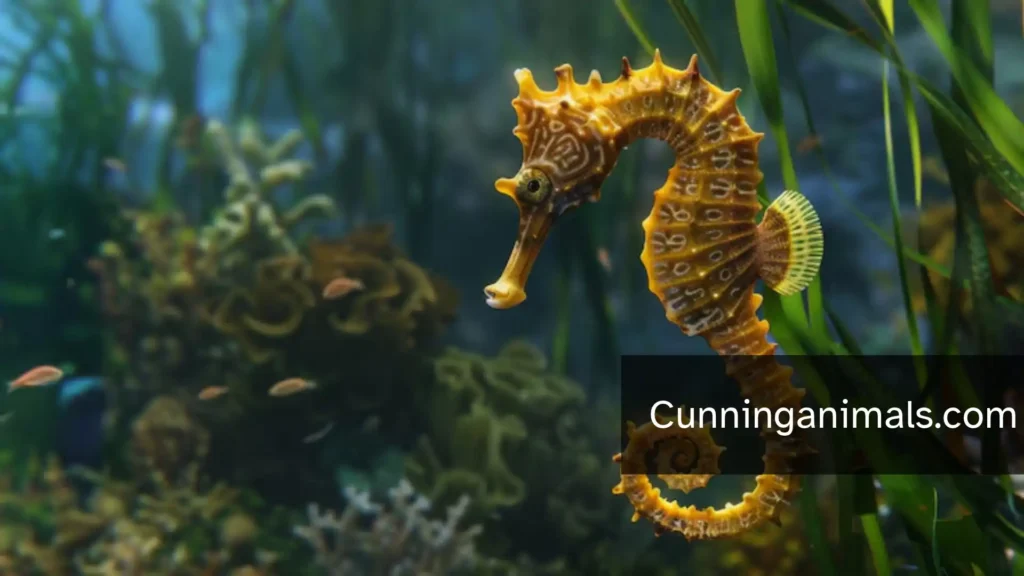
Their slow swim and peculiar body shape also make them less adept at escaping predators, yet their ability to camouflage provides a significant survival advantage. These delicate creatures exemplify nature’s ability to promote adaptability through evolution.
Gila Monster
Scientific Name: Heloderma suspectum
Class: Reptilia
Diet: Carnivore
The Gila monster, characterized by its vibrant, beaded skin, is not in a hurry, moving at a slow pace of about 1 mile per hour. This venomous lizard, native to the southwestern United States and Mexico, has a diet primarily composed of small mammals and birds. Its sluggishness is a strategic adaptation that conserves energy while allowing it to ambush prey effectively.
With a diet that includes insects and rodents, Gila monsters play an essential role in their desert ecosystem. Their potent venom serves as a defense mechanism, ensuring that they can thrive despite their slow nature.
Galápagos Penguin
Scientific Name: Spheniscus mendiculus
Class: Aves
Diet: Carnivore
The Galápagos penguin is the only penguin species that resides north of the equator and is known for its slow waddling on land. In contrast, they move swiftly through water, agile in their hunting of fish and crustaceans. With a top speed of about 15 miles per hour while swimming, their on-land movements are unhurried as they conserve energy.
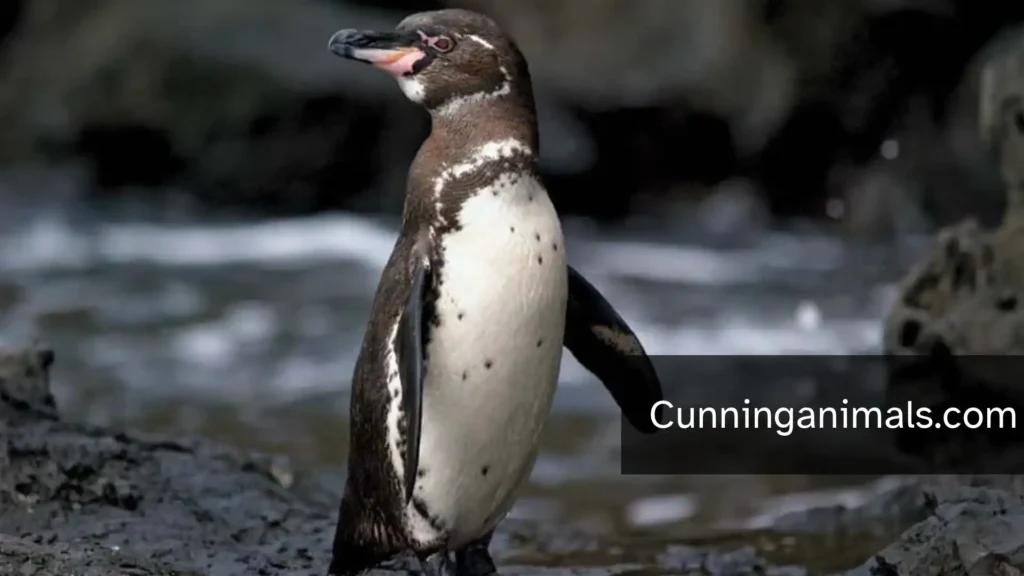
Adapted to warm climates, these penguins display unique behaviors that reflect their sluggish lifestyle above water, such as panting and spreading their wings to cool off. Their captivating presence on the Galápagos Islands highlights the intricate balance of ecosystem adaptations.
Greenland Shark
Scientific Name: Somniosus microcephalus
Class: Chondrichthyes
Diet: Carnivore
The Greenland shark is intriguing not just for its longevity, possibly living over 400 years, but also for its slow swimming speed, averaging around 1 mile per hour. Found in the icy waters of the Arctic, they are opportunistic feeders, preying on fish, seals, and carrion, which suits their lethargic grimace.
These sharks have adapted to cold waters, allowing them to thrive in a niche that many other species cannot occupy. Their slow movement may also facilitate energy conservation in a habitat where food availability can be inconsistent.
Starfish
Scientific Name: Asteroidea
Class: Echino-dermata
Diet: Carnivore
Starfish are often associated with the sea’s mysterious allure, moving at an estimated speed of 0.02 miles per hour. Found across a range of ocean habitats, they use their tube feet and hydraulic water vascular system to slowly navigate the seafloor. Their diet primarily consists of mollusks, which they can pry open using their unique feeding mechanisms.
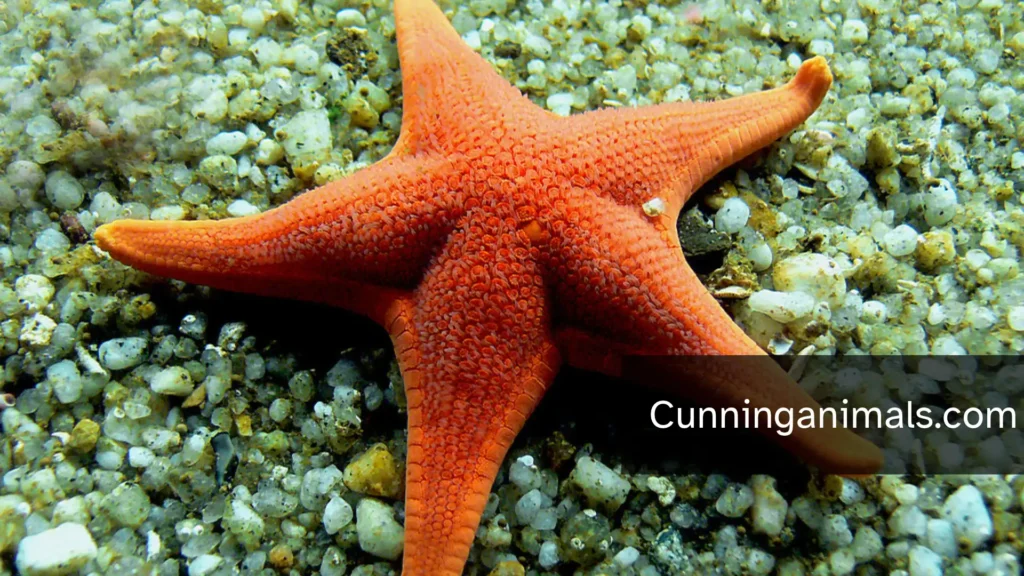
Remarkably, starfish possess the ability to regenerate lost arms, showcasing their resilience. This slow-paced lifestyle and remarkable regenerative ability ensure their survival in diverse marine environments.
Sea Cucumber
Scientific Name: Holothuroidea
Class: Echino-dermata
Diet: Detritivore
Sea cucumbers crawl along the ocean floor at a leisurely pace, feeding on detritus and organic matter, which highlights their role in marine nutrient cycling. By processing sediment, they contribute to the health of marine ecosystems while moving at less than 0.1 miles per hour, blending seamlessly with their surroundings.
Their soft bodies exhibit fascinating adaptations, such as the ability to expel internal organs as a defense mechanism, which can later be regenerated. Sea cucumbers beautifully exemplify how slow animals can play a vital role in maintaining ecological balance.
Amazing Facts About Slow Animals
Slow animals may be known for their leisurely approaches, but their adaptations are just as fascinating as those of their faster counterparts. These creatures have evolved to thrive in their environments, often trading speed for survival strategies.
- The three-toed sloth is the slowest animal in the world, moving at a mere 0.03 miles per hour.
- Sea turtles can hold their breath for up to five hours while resting on the ocean floor, allowing them to take their time.
- Giant tortoises can live over 150 years, often moving very slowly to conserve energy during their long lives.
- Nudibranchs, or sea slugs, can move at a pace of just 0.1 miles per hour, showcasing stunning colors as they glide.
- Manatees, known as “sea cows,” can swim at speeds of 5 miles per hour, but prefer to leisurely graze on seagrasses.
- The slow loris can remain motionless for hours, relying on its slow movements to stay hidden from predators.
- Some species of sloths sleep for up to 20 hours a day, further emphasizing their relaxed lifestyle.
- Sloths can take a week to digest their food, thanks to their slow metabolism and low-energy diet.
- Box jellyfish drift at around 0.5 miles per hour, their slow movements a contrast to their predatory instincts.
- The American woodcock performs an elaborate courtship dance at a slow pace, captivating mates with its deliberate movements.
Conclusion
The journey through the lives of slow animals reveals that being slow can often be a remarkable advantage. The slowest animals in the world, like the tortoise and the garden snail, embody the principles of adaptation and survival in their own unique ways.
These slow moving animals challenge our conventional ideas about speed and efficiency, proving that there is beauty in a leisurely pace. As we learn more about these fascinating creatures, we gain a greater appreciation for the diverse tactics used in the natural world.
FAQs
Which Animal Is Known For Being Very Slow?
The sloth is perhaps the animal best known for being very slow. Its slow movements, low metabolic rate, and tree-dwelling lifestyle have made it a well-known symbol of a relaxed and unhurried way of life.
Who Is The Slow Animal?
The three-toed sloth is one of the most famous slow animals in the world. It moves very slowly through the trees, often at around 1 foot per minute, because its low-energy lifestyle and leaf-based diet require it to conserve energy.
What Animal Is The Most Slow?
The garden snail is often considered one of the slowest animals, moving at only about 1 millimeter per second. However, the answer can vary depending on whether we compare walking, crawling, or swimming speeds.
What Is The Top 10 Slowest Animal?
The top 10 slowest animals include creatures such as the three-toed sloth, garden snail, giant tortoise, banana slug, slow loris, sea anemone, seahorse, koala, Gila monster, and Greenland shark.